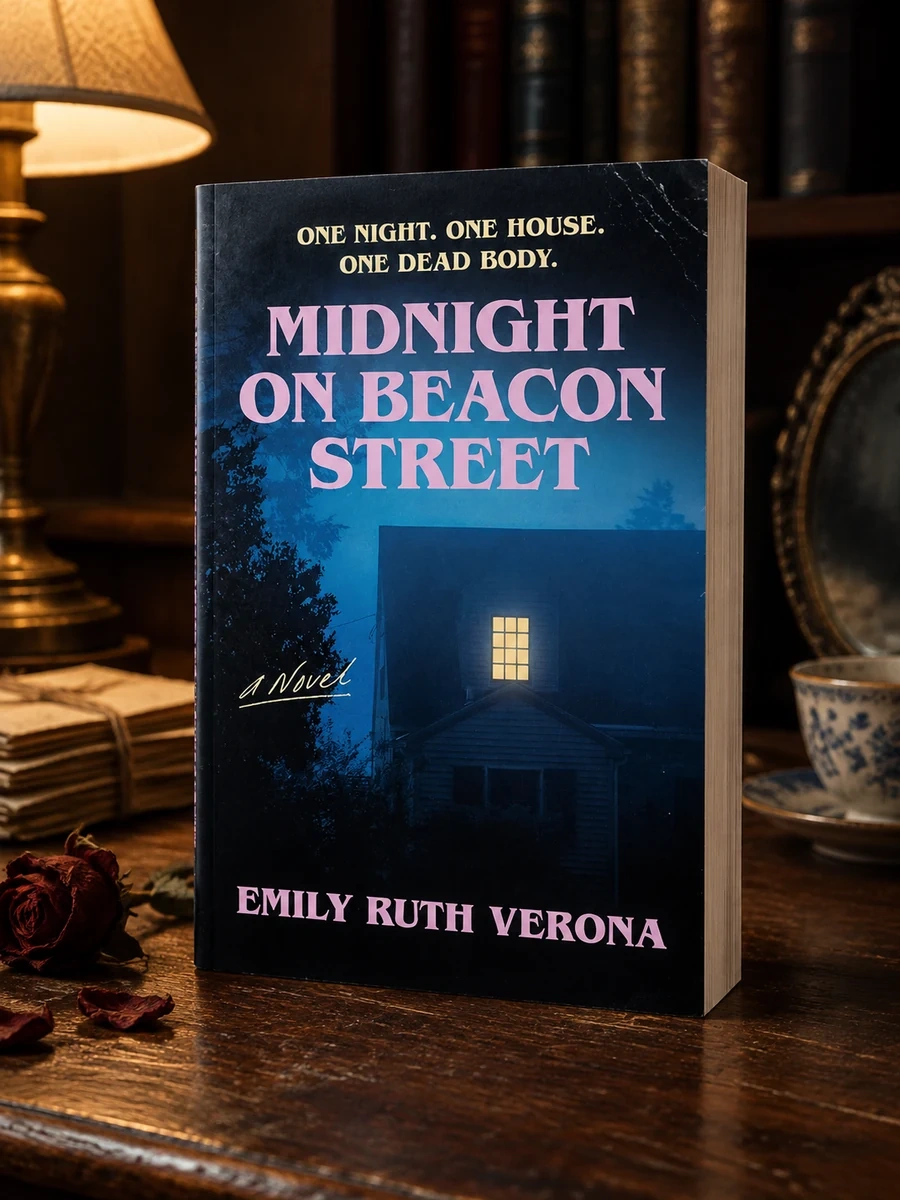
Midnight on Beacon Street
A babysitter's anxiety meets suburban horror in a single terrifying night.
The narrative focuses on Amy, a teenage sitter with an anxiety disorder who finds comfort in horror movies. She watches Eleanor’s children in New Jersey while the mother is away. The evening begins with typical activities like pizza and dancing. Tension rises through mysterious phone calls and uninvited guests. The story does not rely on ghosts or demons. It uses the familiar tropes of home invasion and psychological terror. The climax involves a violent discovery in the kitchen. Ben stands near blood and a corpse. Verona uses this event to subvert the safety of the suburban home. The plot moves linearly from evening to midnight. There are no flashbacks or parallel timelines. The horror stems from the breakdown of trust in childcare.
The story is set in a quaint suburban house in New Jersey. It reflects contemporary American fears about childcare and home safety. The narrative draws on the tradition of domestic suspense where safe spaces become dangerous. It utilizes the modern trope of the unreliable or troubled caregiver. The setting emphasizes the vulnerability of isolated families.


📝 Description: Midnight on Beacon Street
💎 Our verdict on Midnight on Beacon Street
📖 Why choose it
Why this book is worth reading
Readers who appreciate psychological suspense and the deconstruction of domestic safety will find this narrative compelling. It offers a study in contrasts, pitting the structured comfort of horror cinema against the chaotic reality of a babysitting shift gone wrong. The focus on a protagonist with anxiety provides a unique lens for terror, making the fear feel visceral rather than abstract. Those interested in character-driven stories where familiar settings turn hostile will enjoy the linear progression of dread. It avoids supernatural crutches, relying instead on the breakdown of trust and the violation of private space to generate genuine unease.
⭐ Reader reviews
Reader rating
Verona effectively utilizes the mundane setting of a New Jersey home to amplify terror, grounding her horror in physical reality rather than abstract fear. By focusing on Amy’s anxiety and the sudden collapse of suburban normalcy, the narrative creates a palpable sense of dread. The linear structure ensures that tension builds steadily through isolated incidents, culminating in a shocking, violent image that anchors the story's emotional weight. This approach suits fans of psychological suspense who prefer contemporary family dynamics over historical or supernatural elements. It is a tight, focused exploration of trust and vulnerability.
📖 Read on the blog
✍️ More books by this author Emily Ruth Verona



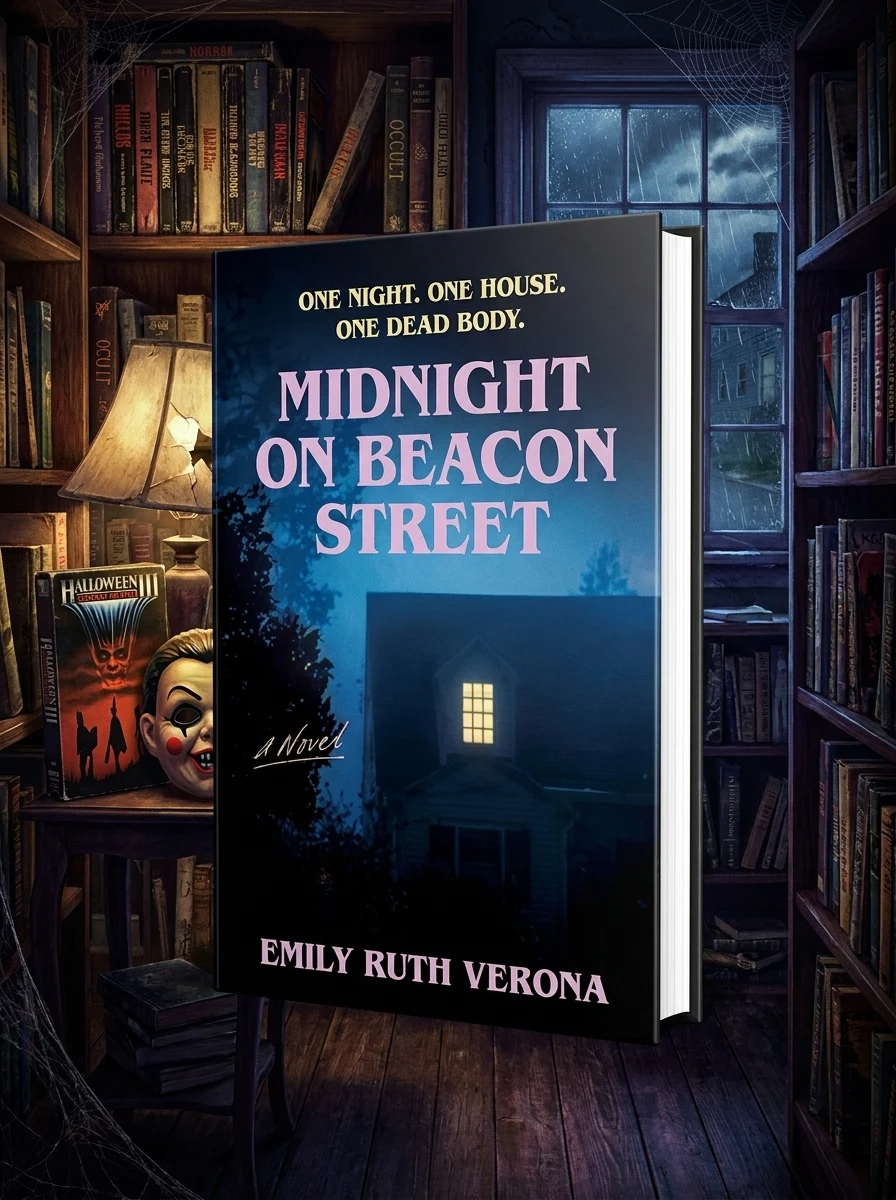
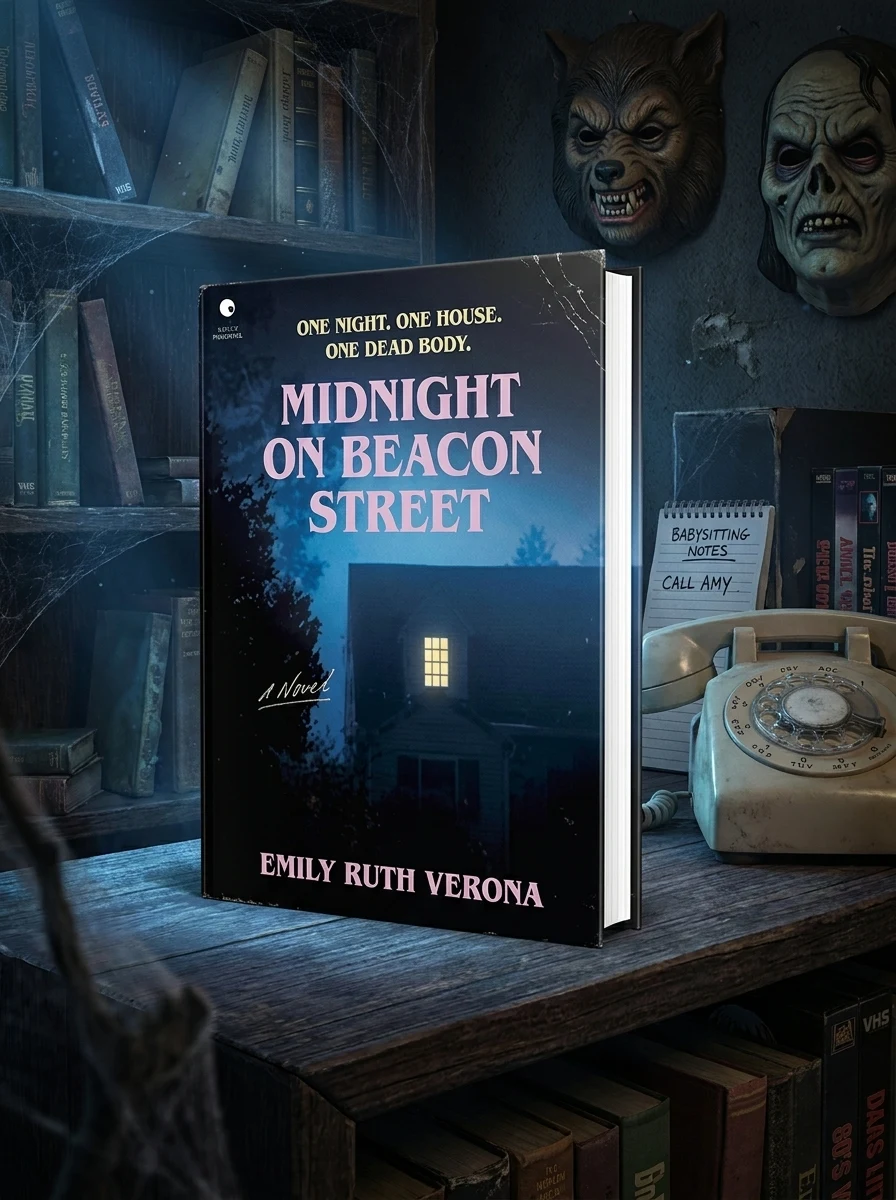
🏛 Books from this publisher Harper Perennial





You might also like
See more →


Have a question about this item?
Ask about the edition, condition, delivery or anything else — we reply by email or phone, usually within a day.
