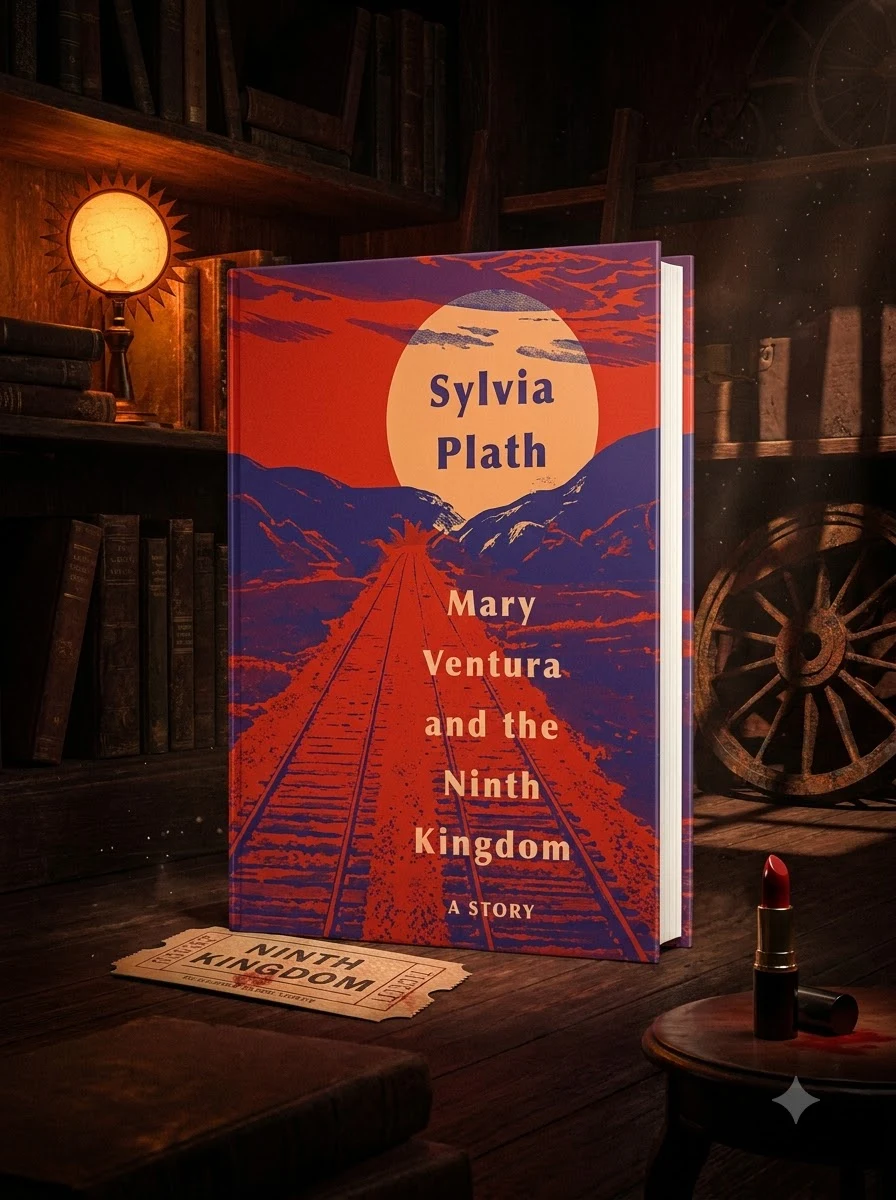


Mary Ventura and the Ninth Kingdom: A Story
Currently unavailable
This book is sold out right now. Leave your email — we'll let you know if it comes back, and you'll get 10% off any book today.
In stock now — readers of this book also loved:




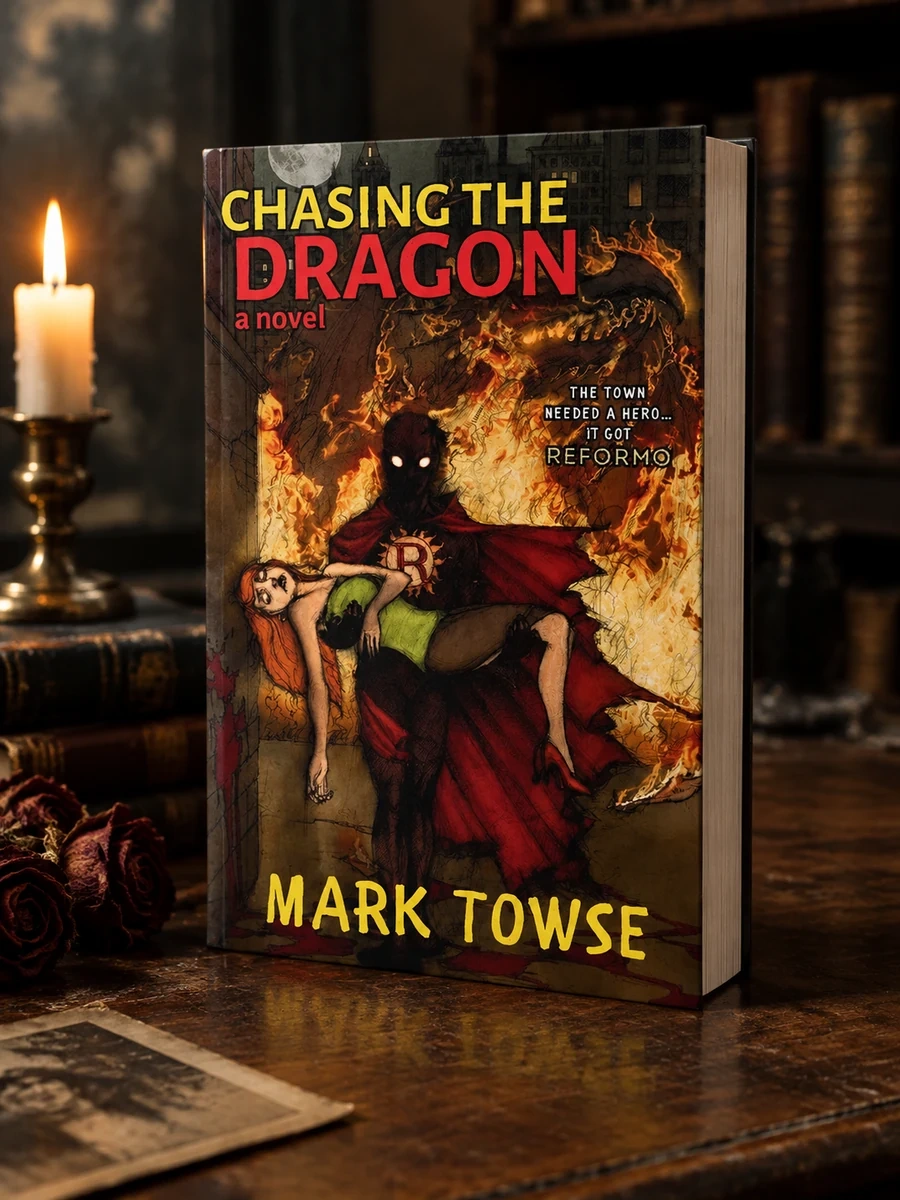
A 1952 allegorical tale by Sylvia Plath about a train journey to the kingdom of the frozen will.
Plath crafted this narrative during her college years at Smith College. The story centers on Mary Ventura, who travels by train toward an uncertain future. As she moves forward, she observes strange phenomena that reflect her internal state. The environment shifts into something ominous, marked by blood-red lips and a strange orange sky. A conversation with another passenger reveals the destination is a place of irreversible change. The work examines how a woman can assert power over her circumstances through will. It uses the train ride as a framework to discuss mortality and the loss of innocence. The prose remains tight and focused on these symbolic elements rather than external action.
Sylvia Plath wrote this story in 1952 while a student at Smith College. It reflects her perspective shortly after leaving home. The work sits within the tradition of symbolic fiction exploring female independence and rebellion against social conventions during the mid-twentieth century.


📝 Description: Mary Ventura and the Ninth Kingdom: A Story
💎 Our verdict on Mary Ventura and the Ninth Kingdom: A Story
📖 Why choose it
Why this book is worth reading
This book offers a potent examination of the terrifying cost of autonomy, making it essential for readers who appreciate psychological horror and symbolic fiction. Those interested in the darker corners of Plath’s early career will find a raw depiction of internal rebellion against societal conventions. The narrative appeals to audiences who enjoy allegorical tales where the environment mirrors the protagonist's psyche. It is particularly suited for individuals seeking stories about mortality, loss of innocence, and the struggle for control in an indifferent universe. Readers who favor tight, focused prose over external action will appreciate the intense symbolic weight carried by every detail of the journey.
⭐ Reader reviews
Reader rating
Plath crafts a haunting allegory where the train ride becomes a metaphor for irreversible change and the assertion of will. The text excels in its use of unsettling imagery, such as blood-red lips and an orange sky, to evoke a sense of ominous inevitability. While the lack of traditional plot may frustrate those seeking straightforward realism, the symbolic depth rewards attentive readers. It is best suited for fans of gothic fiction and psychological horror who appreciate literature dealing with female autonomy and existential dread. The prose remains tight and focused on these symbolic elements rather than external action, creating a dense, atmospheric experience that lingers long after the journey ends.
📖 Read on the blog
✍️ More books by this author Sylvia Plath


🏛 Books from this publisher HarperCollins


You might also like
See more →





Have a question about this item?
Ask about the edition, condition, delivery or anything else — we reply by email or phone, usually within a day.
