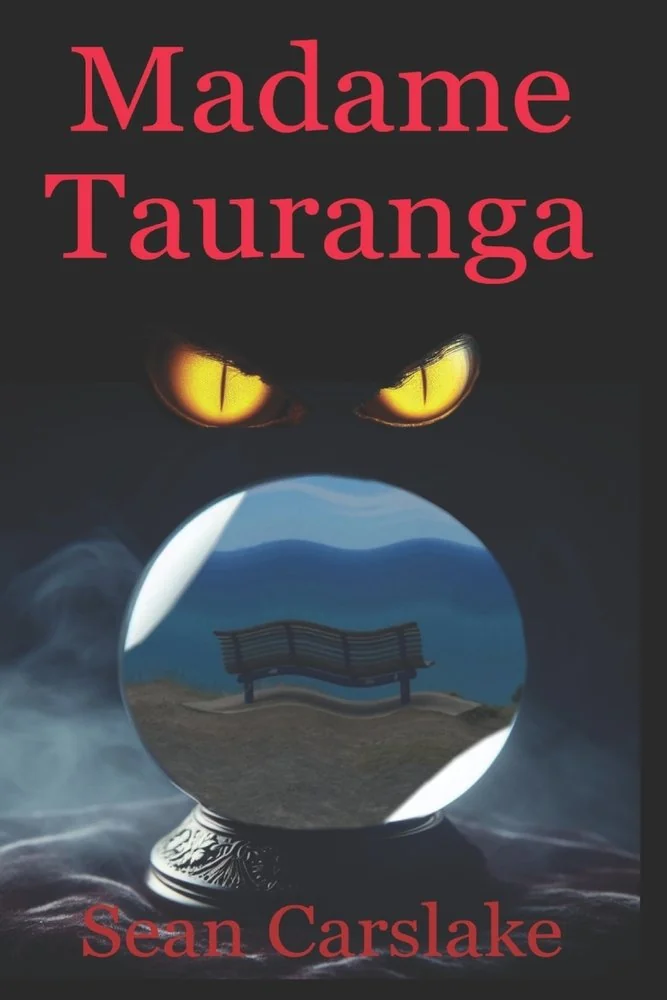
Madame Tauranga
A man haunted by an unseen force seeks help from a clairvoyant in Australia.
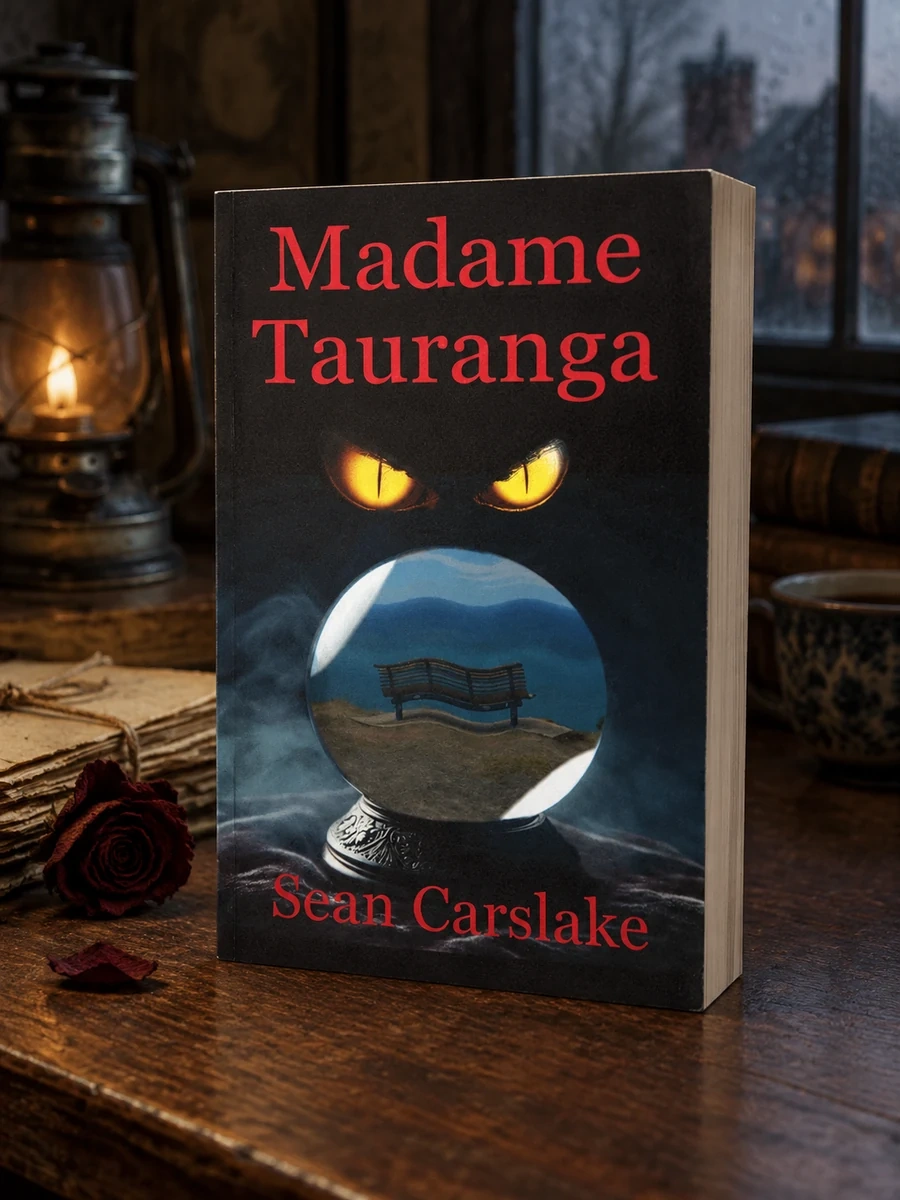
Hunter Liddell arrives back in Australia after a six-month stay in England, only to find that something has followed him home. He begins suffering physical attacks from an invisible entity and sees dark figures lurking in the shadows. His loved ones refuse to believe his account, attributing his distress to acute mental illness. This isolation pushes Hunter toward Madame Tauranga, a clairvoyant who recognizes the horror stalking him. The story examines how grief and fear can distort reality. It also looks at the power of belief when science and reason fail. Carslake uses the dynamic between Hunter and Madame Tauranga to explore the nature of evil. The narrative does not rely on gore but on psychological tension. The reader watches Hunter struggle against a force that defies explanation.
The story is set in Australia and references England, reflecting a transnational gothic tradition. It was published independently in 2021 by Sean Carslake. The work engages with modern anxieties about mental health and the supernatural. It blends contemporary settings with classic horror tropes of unseen forces and psychological terror.


📝 Description: Madame Tauranga
💎 Our verdict on Madame Tauranga
📖 Why choose it
Why this book is worth reading
Readers who prefer atmospheric dread over visceral gore will find this title compelling. It appeals to those interested in the intersection of grief, mental health, and the paranormal. The narrative offers a slow-burn exploration of isolation and disbelief, making it suitable for audiences who enjoy stories where the horror is psychological rather than physical. Fans of ambiguous endings and themes regarding the failure of science and reason will appreciate the lingering uncertainty. It is ideal for those seeking a tale that examines the thin veil between sanity and madness through the lens of supernatural entanglement.
⭐ Reader reviews
Reader rating
Carslake crafts a tense narrative that relies on psychological unraveling rather than explicit horror. The book excels in depicting Hunter’s isolation as his suffering is dismissed by loved ones, creating palpable frustration and fear. By focusing on the dynamic with Madame Tauranga, the story explores the nature of evil through belief and skepticism. It suits readers who enjoy gothic atmospheres and paranormal mysteries. Those seeking fast-paced action may find it too slow, but enthusiasts of psychological depth will appreciate the gradual realization of the supernatural threat. The unresolved ending emphasizes lingering dread effectively.