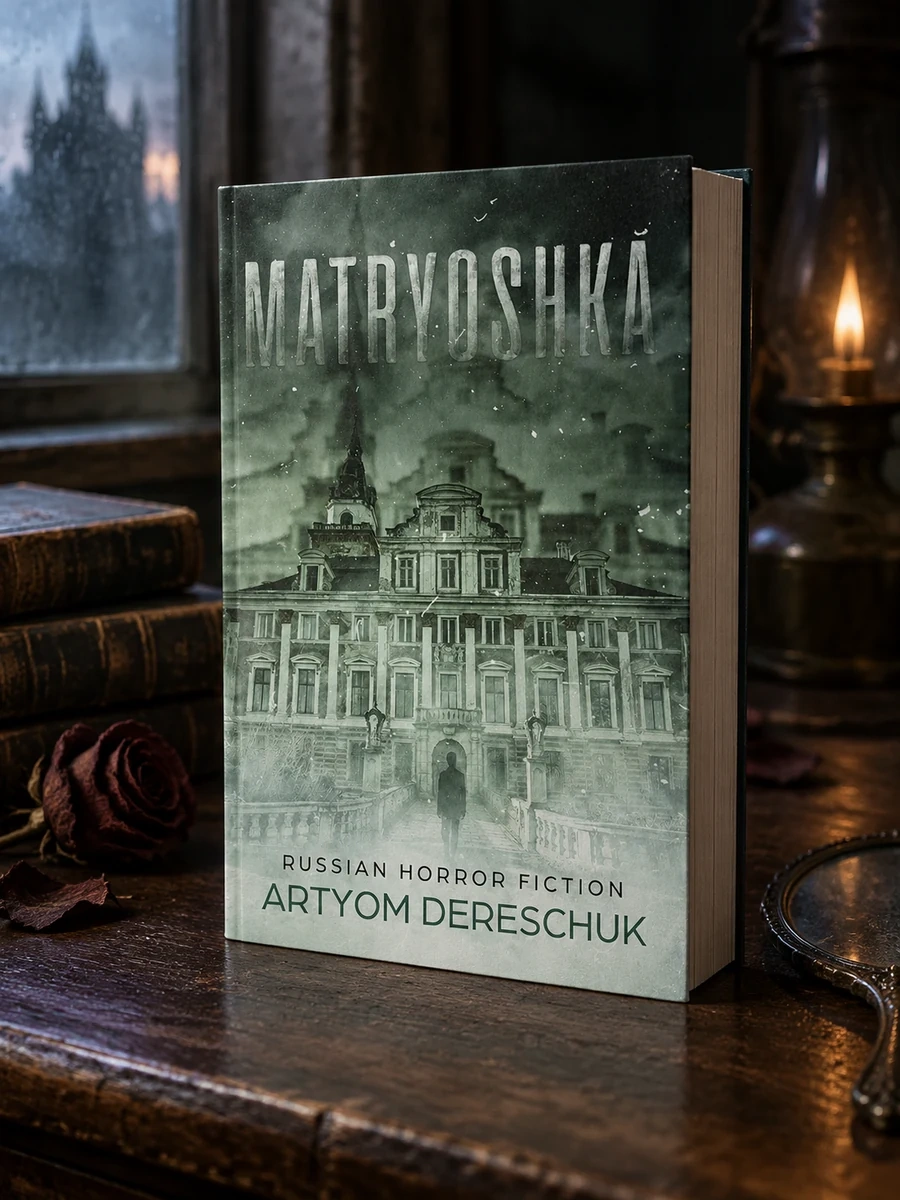
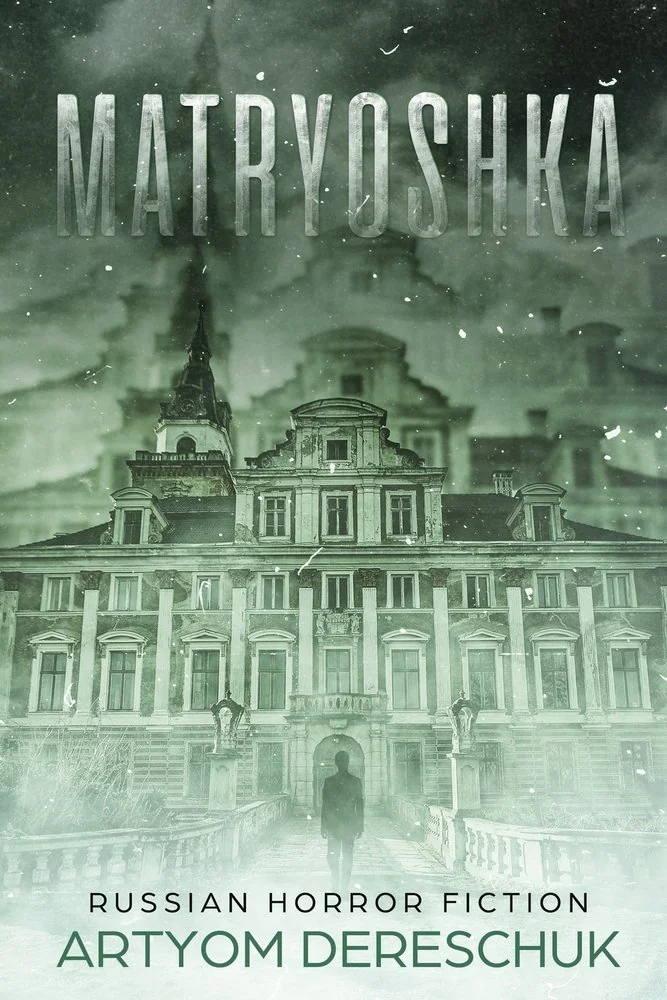
Matryoshka: A Paranormal Suspense Thriller set in Russia
A thriller about a hotel where dreams turn into nightmares.
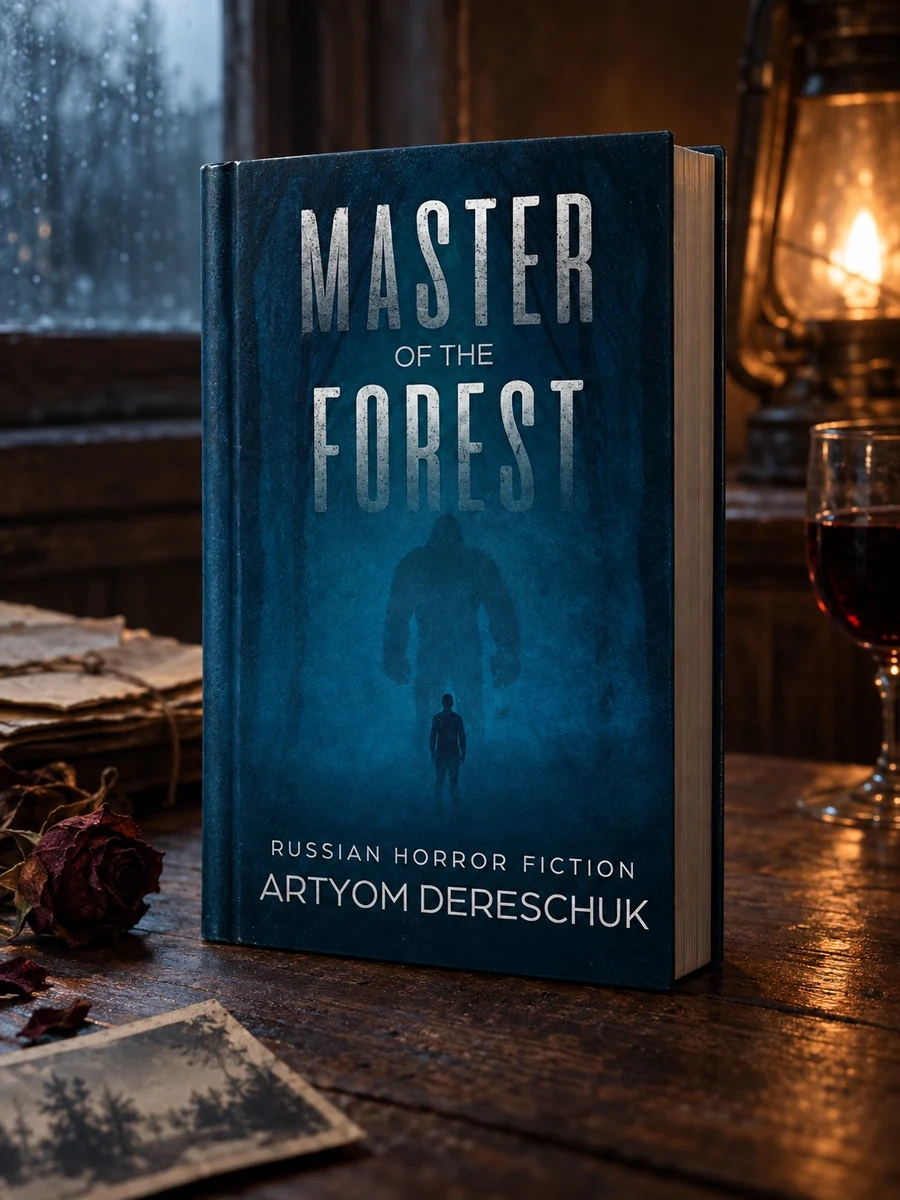
This narrative focuses on Arthur's experience at an exclusive Russian resort. He arrives hoping to save his career but finds a place of hidden horror. The hotel staff are polite, yet the environment feels wrong. Secrets buried in the past begin to surface. The building itself seems alive and hostile. Arthur must confront these truths while losing his grip on reality. The story explores the boundary between dreams and waking life. It asks who controls the nightmare when the dreamer is unaware. Dereschuk constructs a tense atmosphere through isolation and mystery. The plot moves inward, focusing on psychological decay rather than external threats.
The story is set in the Russian wilderness at Hotel Mechta. It draws on the tradition of paranormal suspense thrillers. The setting emphasizes isolation and the contrast between luxury and dread. The narrative reflects a gothic sensibility within a modern context.


📝 Description: Matryoshka: A Paranormal Suspense Thriller set in Russia
💎 Our verdict on Matryoshka: A Paranormal Suspense Thriller set in Russia
📖 Why choose it
Why this book is worth reading
Readers who favor atmospheric tension over visceral gore will find this title compelling. It appeals to those interested in the intersection of psychological decay and paranormal suspense. The narrative offers a slow-burn experience where the environment itself acts as an antagonist. Fans of stories that question the boundary between dreams and reality will appreciate the thematic depth. The book serves audiences who enjoy intellectual puzzles embedded within horror, rather than simple jump scares. It is ideal for those willing to engage with a protagonist whose sanity is unraveling in real-time. The focus on isolation makes it suitable for readers seeking immersive, mood-driven narratives that prioritize psychological impact over action.
⭐ Reader reviews
Reader rating
Dereschuk constructs a claustrophobic nightmare where the hotel Mechta serves as a sentient trap. The narrative excels in peeling back layers of hidden dread, mirroring the matryoshka metaphor with precision. The tone is consistently oppressive, relying on subtle shifts in reality rather than explicit violence to unsettle the reader. This approach creates a lingering sense of unease that persists long after reading. The work suits those who appreciate psychological horror and gothic mystery. It may frustrate readers seeking clear resolutions or fast-paced action. However, for enthusiasts of atmospheric tension and sanity-slip narratives, it delivers a potent and immersive experience. The isolation of the setting amplifies every mysterious detail effectively.