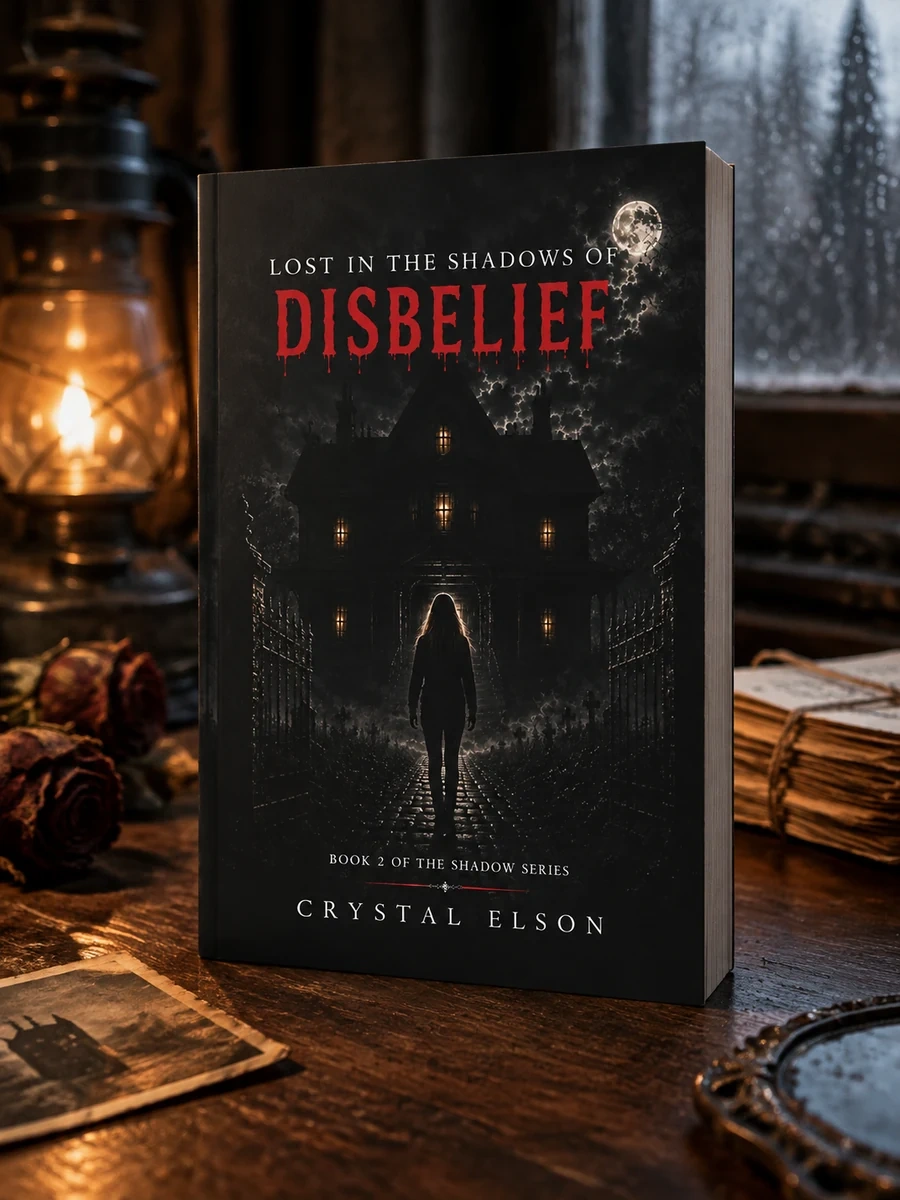
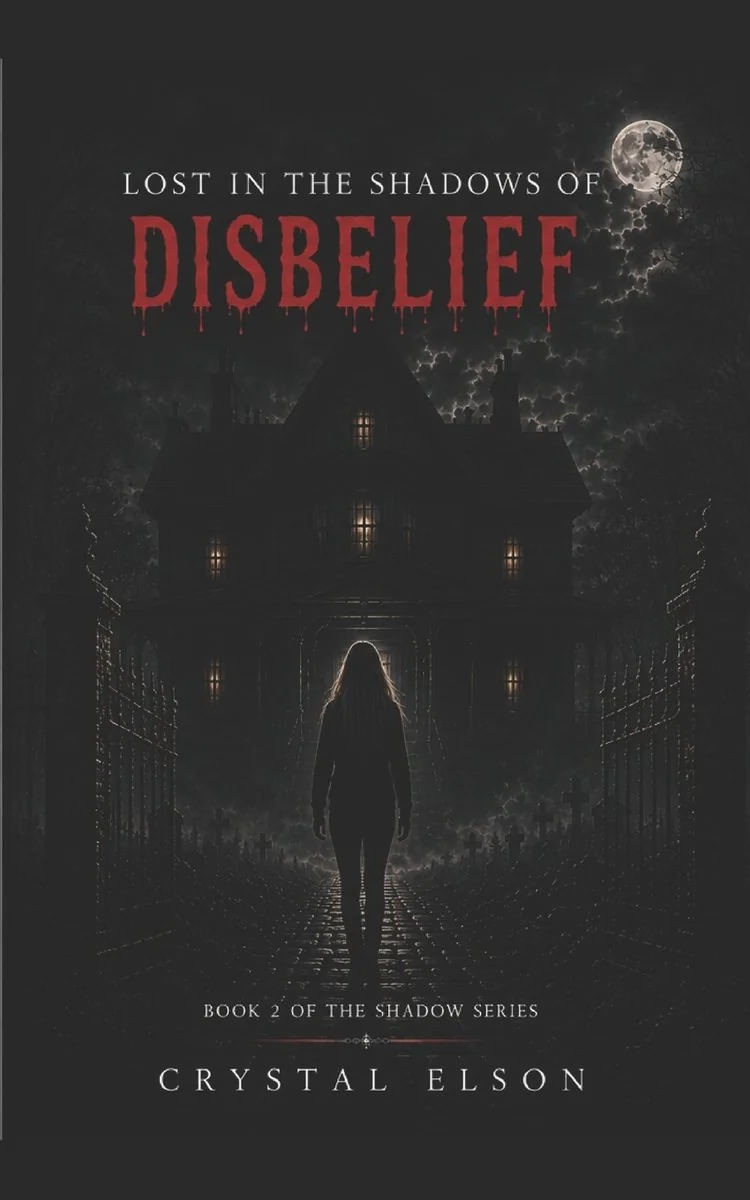
Lost in the Shadows of Disbelief
A novel about a woman haunted by an invisible evil her family refuses to see.
The story follows Abigail as she battles a creeping darkness that defies explanation. Her struggle is defined by the isolation of being unheard and the fear that her sanity is slipping away. The narrative emphasizes the psychological toll of gaslighting, whether intentional or accidental, as those around her dismiss her valid fears. Elson explores the theme of unseen threats that grow stronger in the shadows of disbelief. The plot moves toward a climax where Abigail must confront the reality of the evil before it claims her loved ones. The tone is oppressive and suspenseful, relying on atmospheric dread rather than gore.
This work sits within the contemporary independent publishing landscape for horror fiction. It appeals to American readers who enjoy modern gothic tales that blend psychological tension with supernatural elements. The narrative reflects current interests in mental health and the reliability of perception, set against a backdrop of classic horror tropes.


📝 Description: Lost in the Shadows of Disbelief
💎 Our verdict on Lost in the Shadows of Disbelief
📖 Why choose it
Why this book is worth reading
Readers seeking atmospheric dread over visceral gore will find this narrative compelling. It appeals to those interested in the psychological toll of isolation and the fear of losing one's sanity. The book offers a slow-burn experience for fans of stories where the monster is both external and internal. Those who enjoy exploring the theme of unseen threats growing stronger through disbelief will appreciate its focus on suspense. It is ideal for audiences who prefer nuanced horror that examines the fragility of perception rather than rapid action.
⭐ Reader reviews
Reader rating
Elson delivers a masterclass in oppressive atmosphere, utilizing the slow-burn technique to build genuine dread without relying on shock value. The narrative effectively blurs the line between waking life and nightmare, creating a sense of claustrophobia that mirrors Abigail’s internal struggle. By focusing on the terror of being unheard, the text taps into universal fears about sanity and reality. This approach suits readers who appreciate gothic traditions and psychological depth. It is less suitable for those desiring fast-paced action or clear-cut resolutions, as the horror here is subtle, pervasive, and deeply unsettling in its ambiguity.