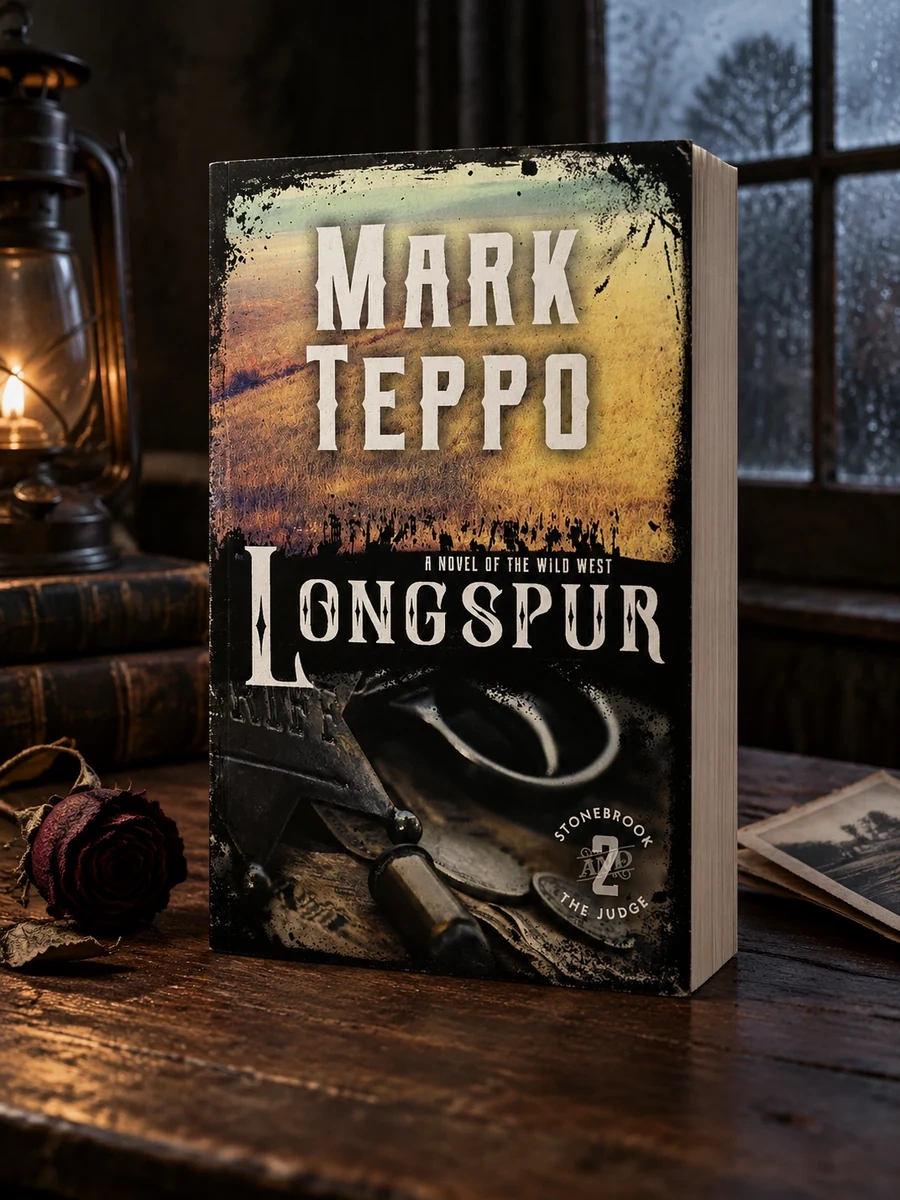
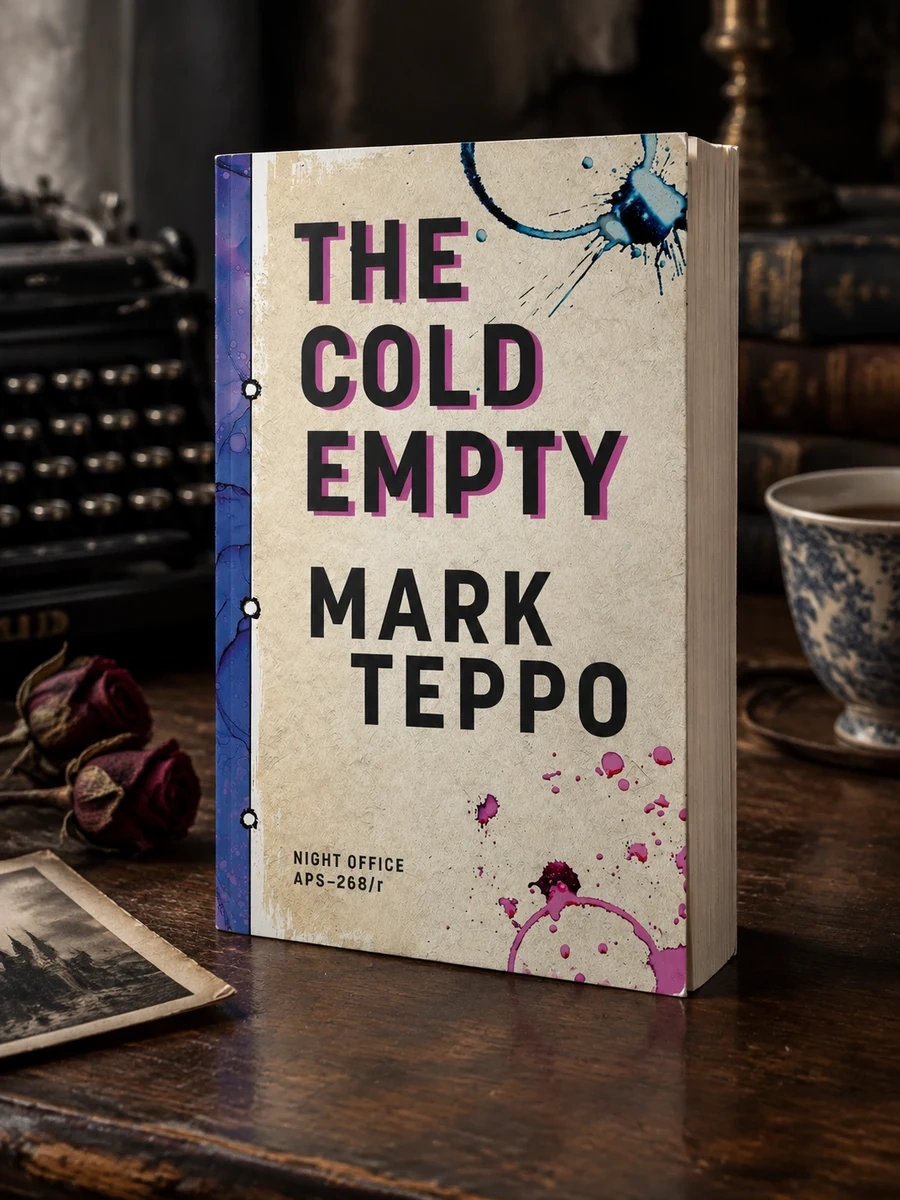
Longspur
A judge uncovers blood sacrifice in a dying railroad town.
The Longspur Mining Company keeps Citrine Springs alive through seemingly pointless labor. Elmore Stonebrook and Judge Willard Vernon Wallace investigate the enterprise's true purpose. Their inquiry exposes corruption masked as economic necessity. The text blends historical frontier settings with supernatural horror elements. Teppo uses the decay of a once-booming railroad town to frame his critique of industrial exploitation. The story focuses on the intersection of legal authority and occult practice. It does not glorify the violence but presents it as a structural reality of the setting. The narrative structure follows the Judge's discovery process, moving from skepticism to horror.
The book is set in the American West during the era of railroad expansion and company towns. It reflects on the transition from booming industrial centers to dying communities. The work engages with gothic traditions by placing supernatural horror within a realistic historical framework of economic decline.


📝 Description: Longspur
💎 Our verdict on Longspur
📖 Why choose it
Why this book is worth reading
Readers who appreciate slow-burn atmospheric dread and thoughtful critiques of corporate power will find this work engaging. It offers a grim portrait of a town consumed by survival mechanisms, avoiding easy answers or glorified violence. Those seeking fast-paced action or clear moral resolutions may find the tone too bleak. The narrative presents structural reality rather than spectacle, appealing to those interested in the intersection of legal authority and occult practice. It is ideal for audiences who enjoy exploring how desperate communities become entangled in destructive cycles within a decaying industrial setting.
⭐ Reader reviews
Reader rating
Teppo effectively uses the decay of Citrine Springs to frame a critique of industrial exploitation, blending historical frontier settings with supernatural horror. The narrative follows Judge Wallace’s inquiry from skepticism to horror, exposing corruption masked as economic necessity. While the text does not glorify violence, it presents it as a structural reality, creating an atmosphere of bleak inevitability. This approach suits readers who value atmospheric dread over action. The work examines how legal authority intersects with occult practice, offering a complex look at malfeasance hidden within expansion. It is a compelling choice for those willing to engage with a slow-burn exploration of corporate power and its human cost.
📖 Read on the blog
📖 From the series “Stonebrook and the Judge”
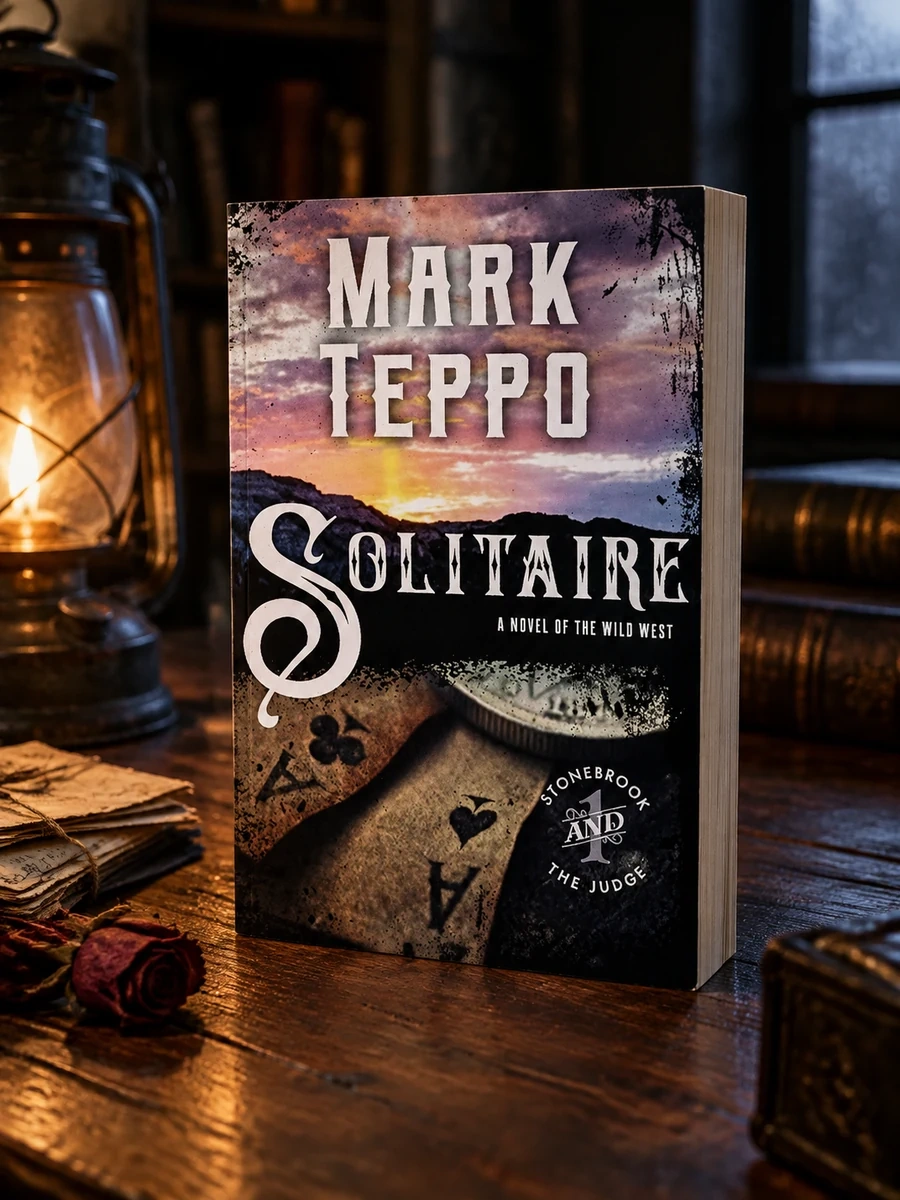


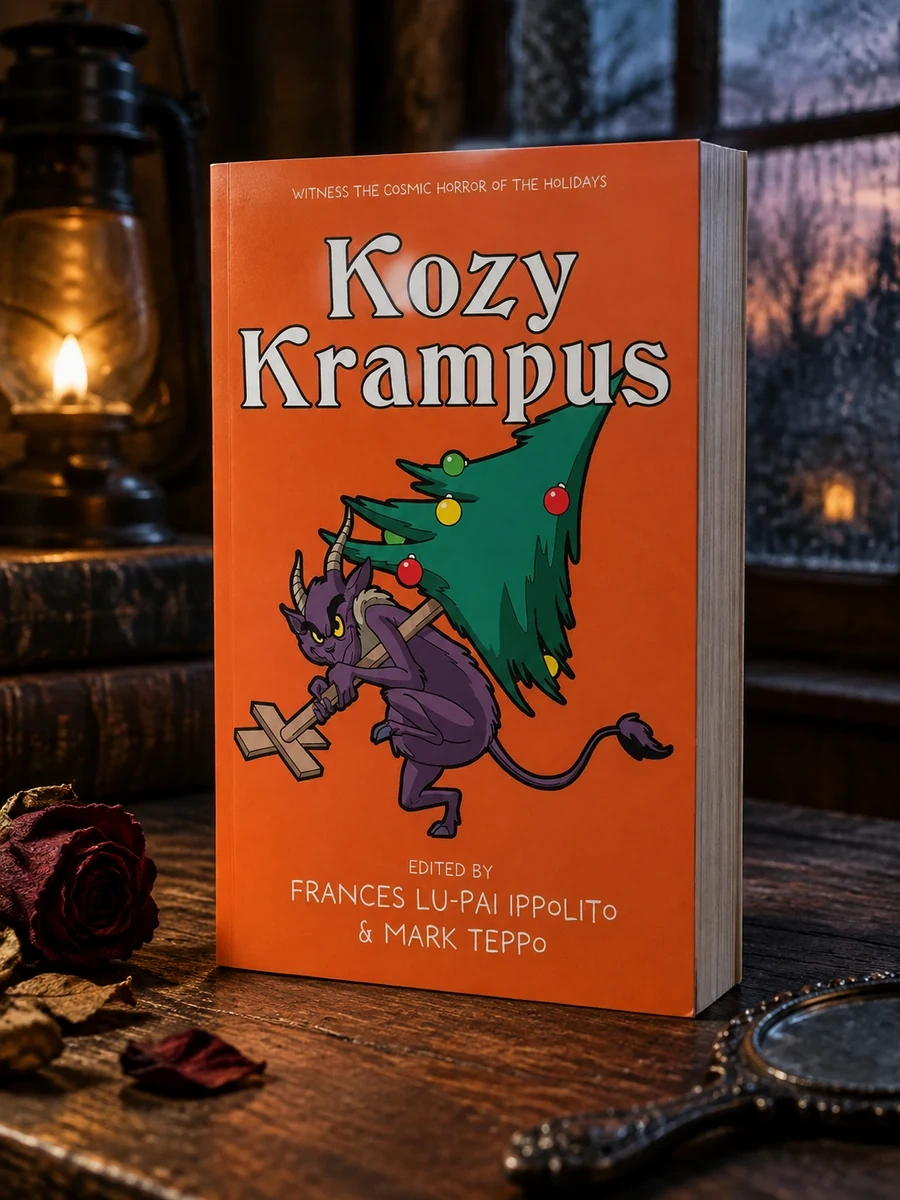
✍️ More books by this author Mark Teppo




🏛 Books from this publisher 51325 Books
You might also like
See more →


Have a question about this item?
Ask about the edition, condition, delivery or anything else — we reply by email or phone, usually within a day.
