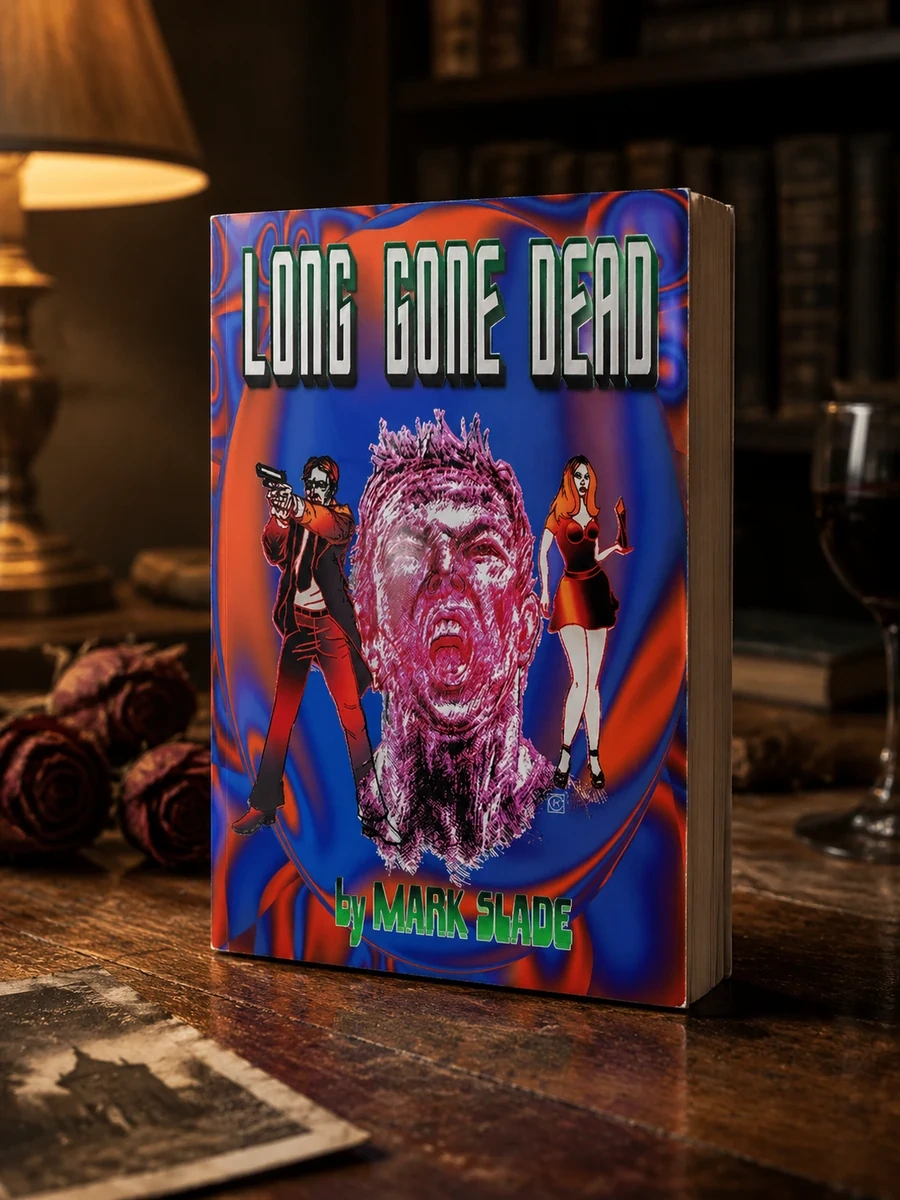
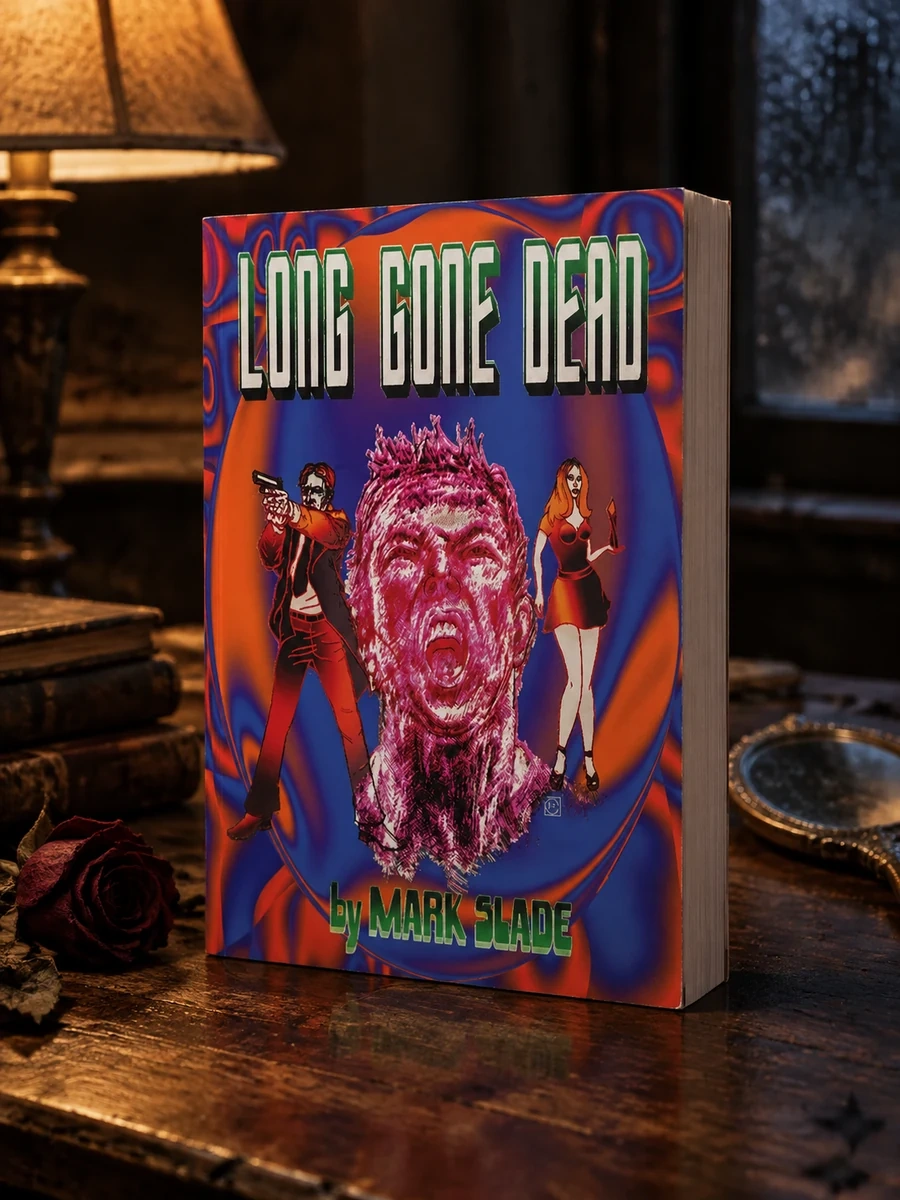
Long Gone Dead
A 1975 noir mystery where TV monsters and shadow people haunt a private investigator.
The narrative centers on Richard Cole as he investigates Bobby Clarke's death in Odarko. The presence of The Obelisk triggers bizarre events that defy logical explanation. Television sets become portals for strange entities, causing widespread fear and confusion. Flying saucers and shadow figures add layers of paranoia to the investigation. Slade uses these elements to create a tense atmosphere where the line between crime and supernatural horror blurs. The story does not offer easy answers but rather immerses the reader in a world where the unknown is constantly encroaching on daily life.
The novel is set in 1975, drawing on the era's fascination with UFO sightings and television culture. It blends noir traditions with supernatural fiction, reflecting a time when cosmic horror influenced popular media. The setting of Odarko serves as a microcosm for these anxieties.


📝 Description: Long Gone Dead
💎 Our verdict on Long Gone Dead
📖 Why choose it
Why this book is worth reading
Readers who crave immersive, genre-bending narratives will find much to appreciate in this tense exploration of reality fracturing under unexplained phenomena. The book appeals to those interested in how ordinary individuals react when the boundaries between crime and supernatural horror dissolve. It offers a unique blend of detective fiction tropes with sci-fi and cosmic elements, creating a gritty, atmospheric setting that defies logical explanation. Those who enjoy stories where the line between the known and the unknown is constantly blurred will find this narrative deeply engaging. It does not provide easy answers but instead invites the reader to dwell in a world where shadow people and television portals redefine existence.
⭐ Reader reviews
Reader rating
Mark Slade successfully crafts an acid noir narrative that defies conventional categorization. By setting the story in 1975 Odarko, he leverages the era's specific anxieties about technology and reality. The integration of TV monsters and shadow figures creates a palpable sense of paranoia, while the investigation into Bobby Clarke’s death provides a structural anchor. Slade excels at maintaining a tense atmosphere where cosmic horror elements feel intrinsically linked to the detective genre. This approach suits readers who enjoy speculative themes within gritty settings. It is particularly effective for those willing to abandon traditional whodunit expectations in favor of a more ambiguous, encroaching dread that challenges the protagonist's grasp on reality.
📖 Read on the blog
📖 From the series “The Odarko”
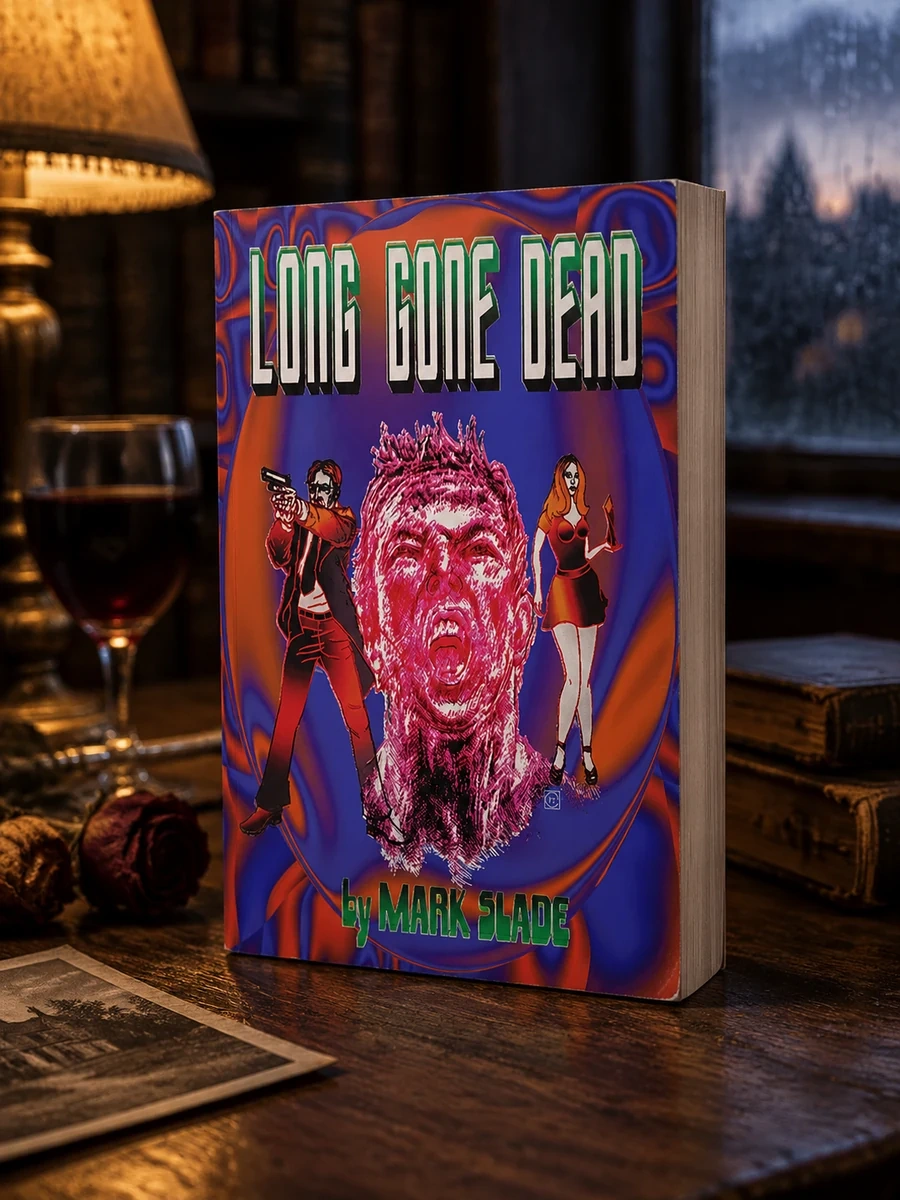


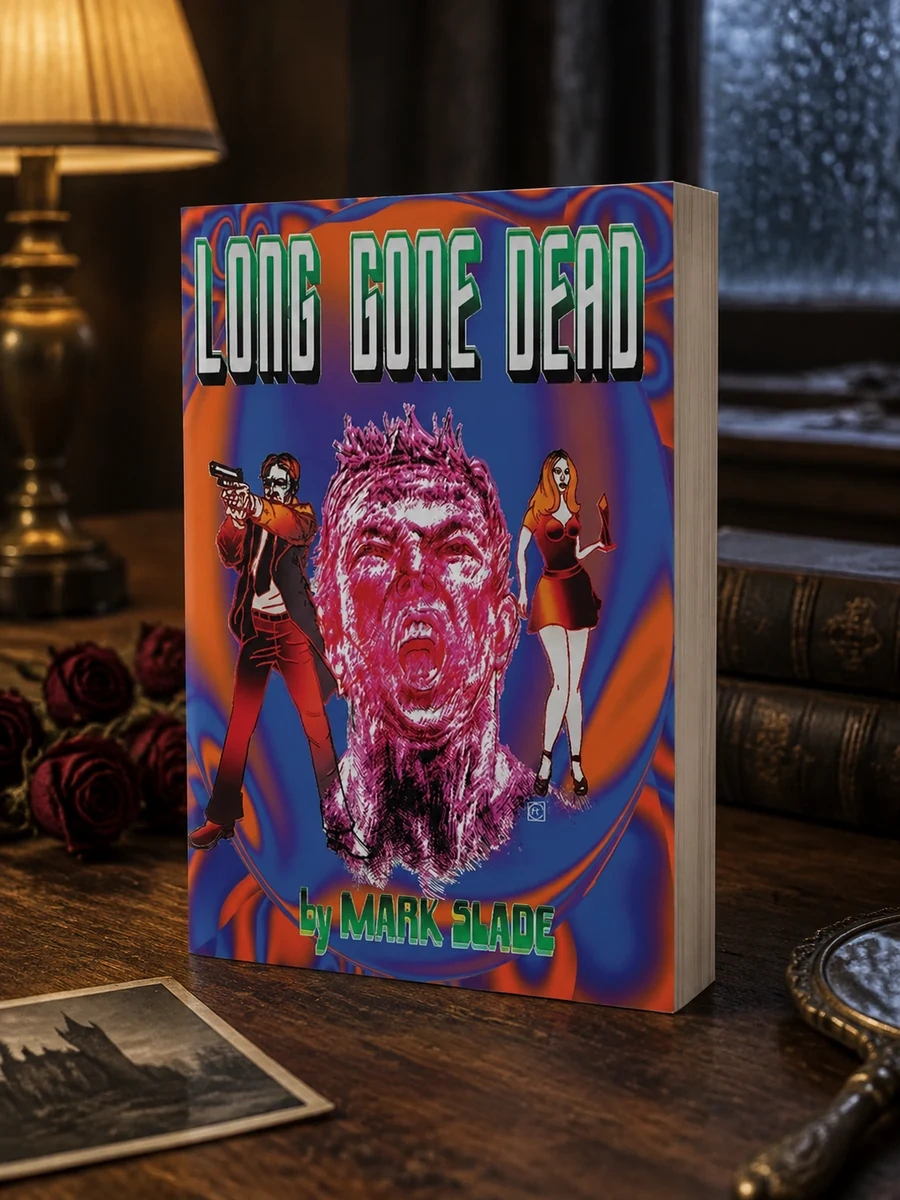

✍️ More books by this author Mark Slade

🏛 Books from this publisher Next Chapter


You might also like
See more →

Have a question about this item?
Ask about the edition, condition, delivery or anything else — we reply by email or phone, usually within a day.
