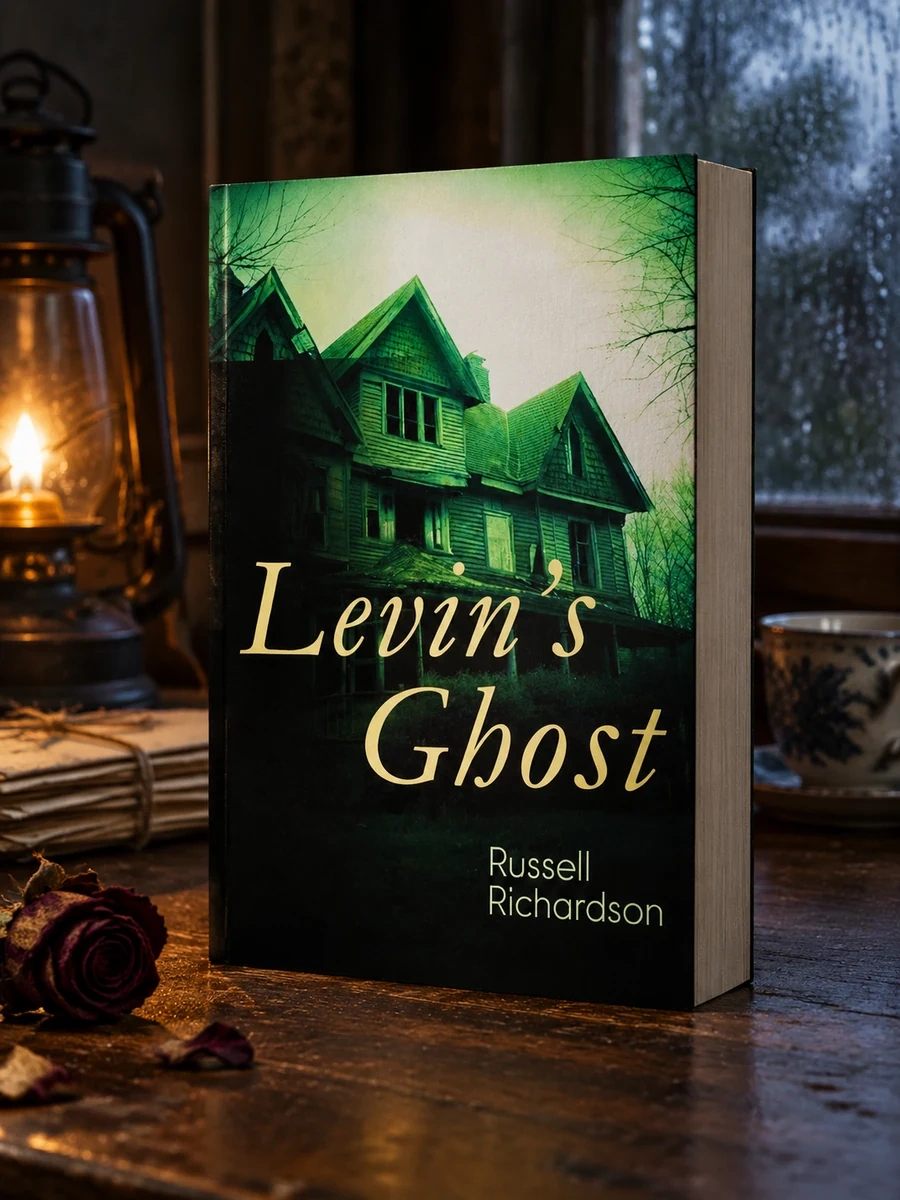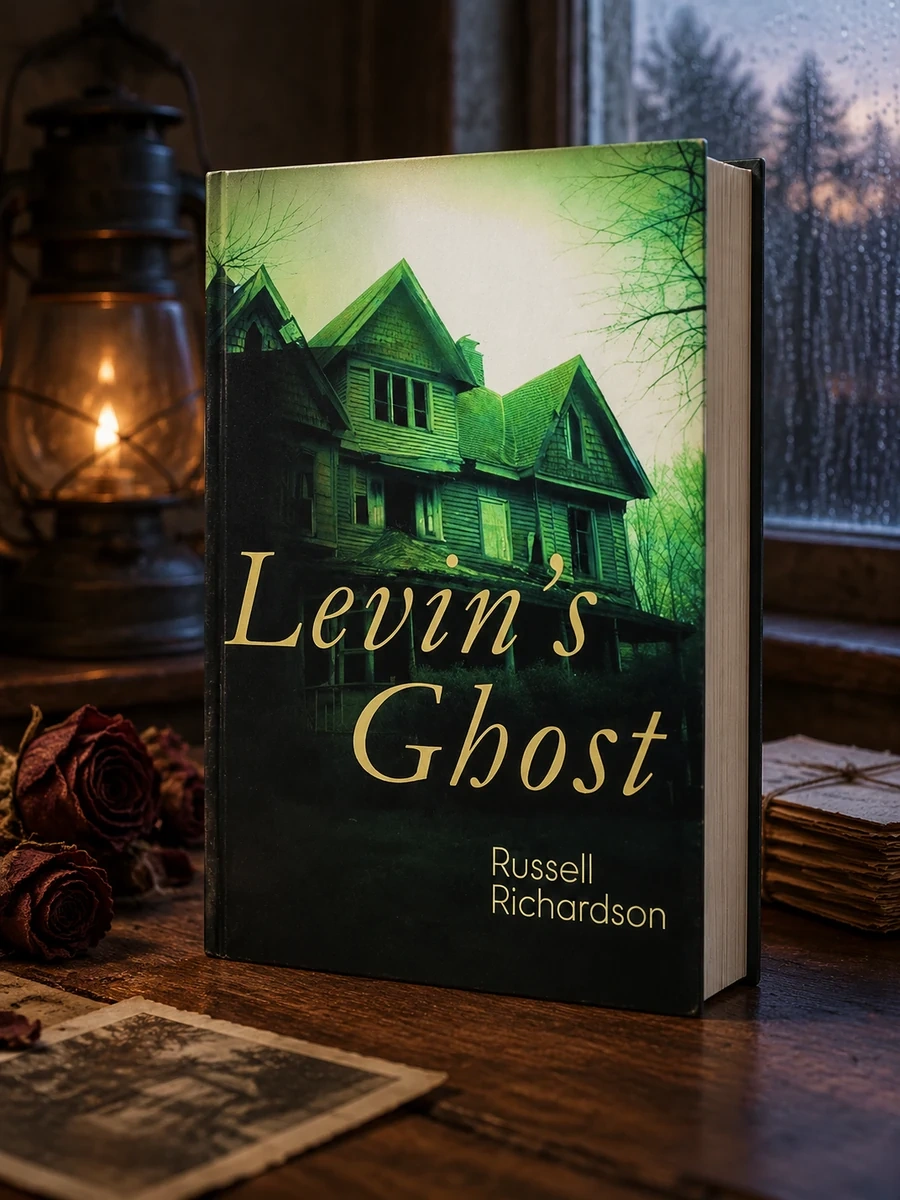
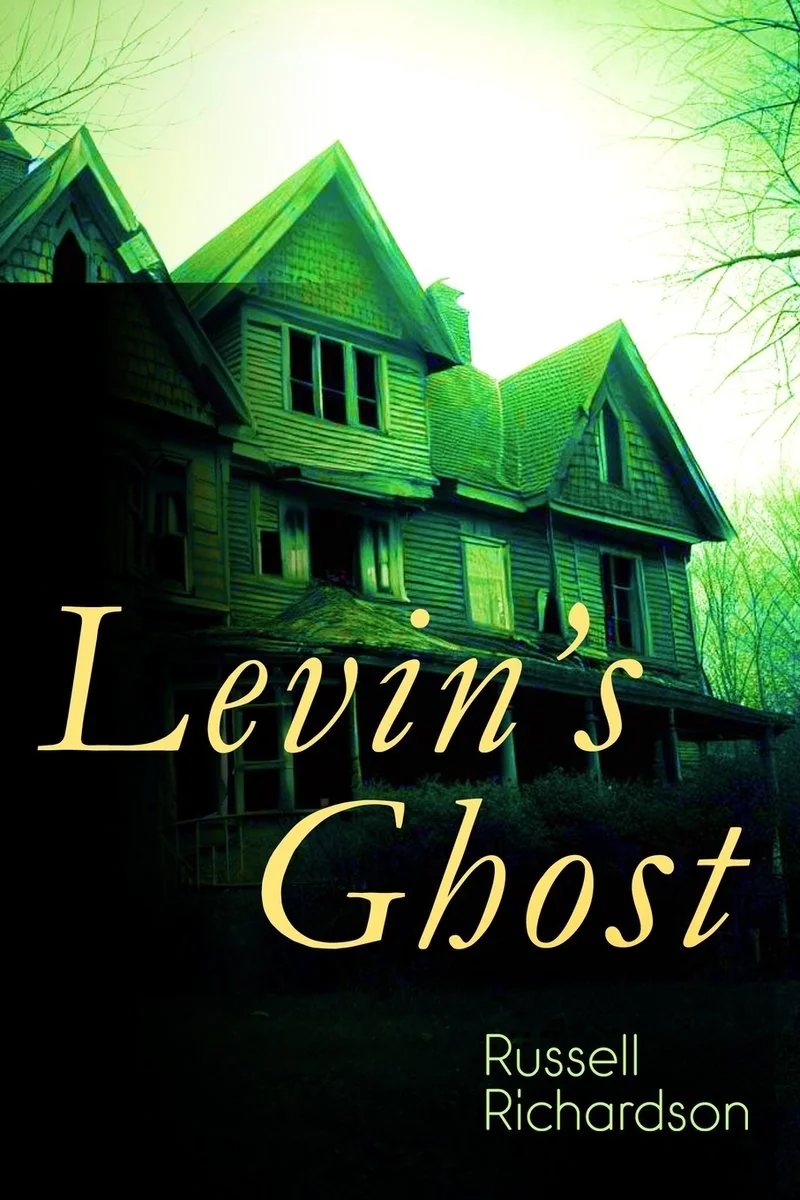
Levin's Ghost
A couple faces a haunted home and marital crisis after a break-in.
Ashley Carlin returns from vacation to discover her house has been entered by someone matching the profile of a murderer who disappeared there twenty years ago. This intrusion exacerbates her existing struggles with family planning, in-law conflicts, and suspicion of her husband. The narrative tracks her descent into paranoia as she questions whether her distress stems from stress or supernatural forces. A local historian offers clues, but his motives remain unclear. Richardson structures the plot around Ashley's deteriorating mental state and the encroaching mystery of the past.
Richardson positions this work within the tradition of classic American gothic horror. It draws directly on the atmospheric techniques established by Rosemary's Baby and The Haunting of Hill House. The story reflects contemporary anxieties about domestic safety and mental health while honoring the slow-burn pacing of mid-twentieth-century supernatural fiction.


📝 Description: Levin's Ghost
💎 Our verdict on Levin's Ghost
📖 Why choose it
Why this book is worth reading
Readers who appreciate nuanced depictions of marital strain intertwined with historical mystery will find this book engaging. It offers a slow-burn experience for those who value character interiority and environmental dread over explicit violence or fast-paced action. Fans of literary horror seeking ambiguity and psychological tension, rather than clear-cut resolutions, will gain from its exploration of identity loss and family secrets within a haunted domestic setting.
⭐ Reader reviews
Reader rating
Richardson crafts a compelling slow-burn thriller that mirrors the atmospheric dread of classic gothic tales. The narrative effectively intertwines Ashley’s deteriorating mental state with the encroaching mystery of her home’s past, creating a palpable sense of paranoia. By focusing on family secrets and the horror of losing one's identity, the book succeeds in its psychological approach. It suits fans of literary horror who appreciate nuanced character studies and historical mystery over jump scares or rapid plot progression. The ambiguity regarding supernatural versus stress-induced distress provides a thought-provoking experience for those willing to engage with complex emotional landscapes.