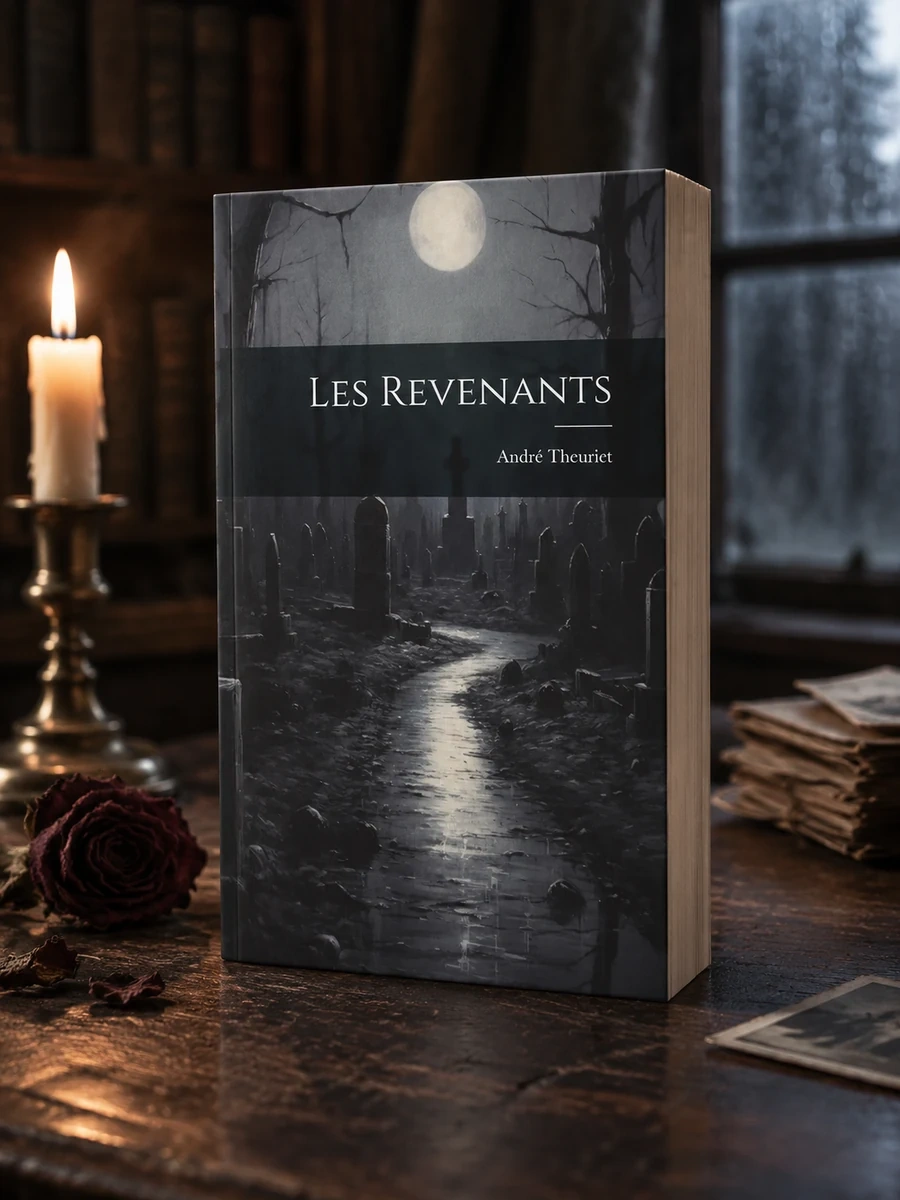
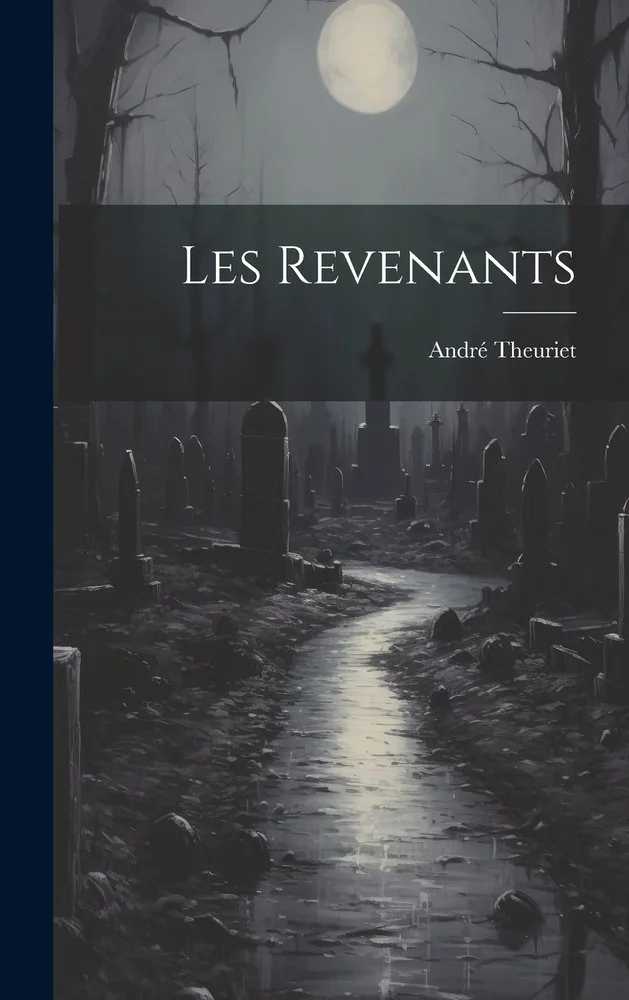
Les revenants
A gothic novel about a man returning to his childhood castle to face unresolved past regrets.
The narrative focuses on Henri de Lorge, a character driven by obsession and remorse as he revisits the castle where he spent his youth. Theuriet uses this setting to explore how guilt and memory can manifest as supernatural presences. The story does not rely on jump scares but rather on the slow accumulation of dread and the weight of history. Readers will find a tale where the physical environment mirrors the internal state of the protagonist. The book is part of a broader collection of works preserved for their cultural significance. It offers a glimpse into a period where gothic fiction was a dominant form of storytelling. The public domain status of this text allows it to be shared widely, ensuring that such stories remain part of our collective literary consciousness.
This work is part of the knowledge base of civilization as we know it. Scholars selected it for preservation because it holds cultural importance. It exists in the public domain in the United States and possibly other nations, allowing free distribution without copyright constraints.


📝 Description: Les revenants
💎 Our verdict on Les revenants
📖 Why choose it
Why this book is worth reading
Readers seeking atmospheric depth over visceral shock will find value in this narrative’s slow accumulation of dread. It appeals to those interested in how guilt and memory manifest as supernatural presences within a gothic framework. The book offers a profound examination of obsession and remorse, making it ideal for scholars or enthusiasts of classic supernatural fiction who appreciate the boundary between physical environment and internal psychological states. Those valuing preserved literary heritage and historical gothic traditions will gain insight into a period when such stories were central to cultural consciousness, providing a reflective experience rather than mere entertainment.
⭐ Reader reviews
Reader rating
Theuriet crafts a compelling study of regret through the lens of Henri de Lorge’s return to his ancestral home. The narrative excels in mirroring the protagonist’s internal turmoil against the backdrop of a decaying estate, creating a cohesive thematic unity. It avoids modern jump scares, relying instead on the weight of history and unresolved past regrets to build tension. This approach suits readers who enjoy classic supernatural fiction and historical gothic traditions. While it may not satisfy those craving fast-paced thrillers or contemporary psychological horror, it remains a significant text for understanding the evolution of ghost stories. The preservation of this work ensures its continued relevance in discussions of cultural significance and literary heritage.
📖 Read on the blog
✍️ More books by this author Andre Theuriet


🏛 Books from this publisher Legare Street Press
You might also like
See more →
Have a question about this item?
Ask about the edition, condition, delivery or anything else — we reply by email or phone, usually within a day.
