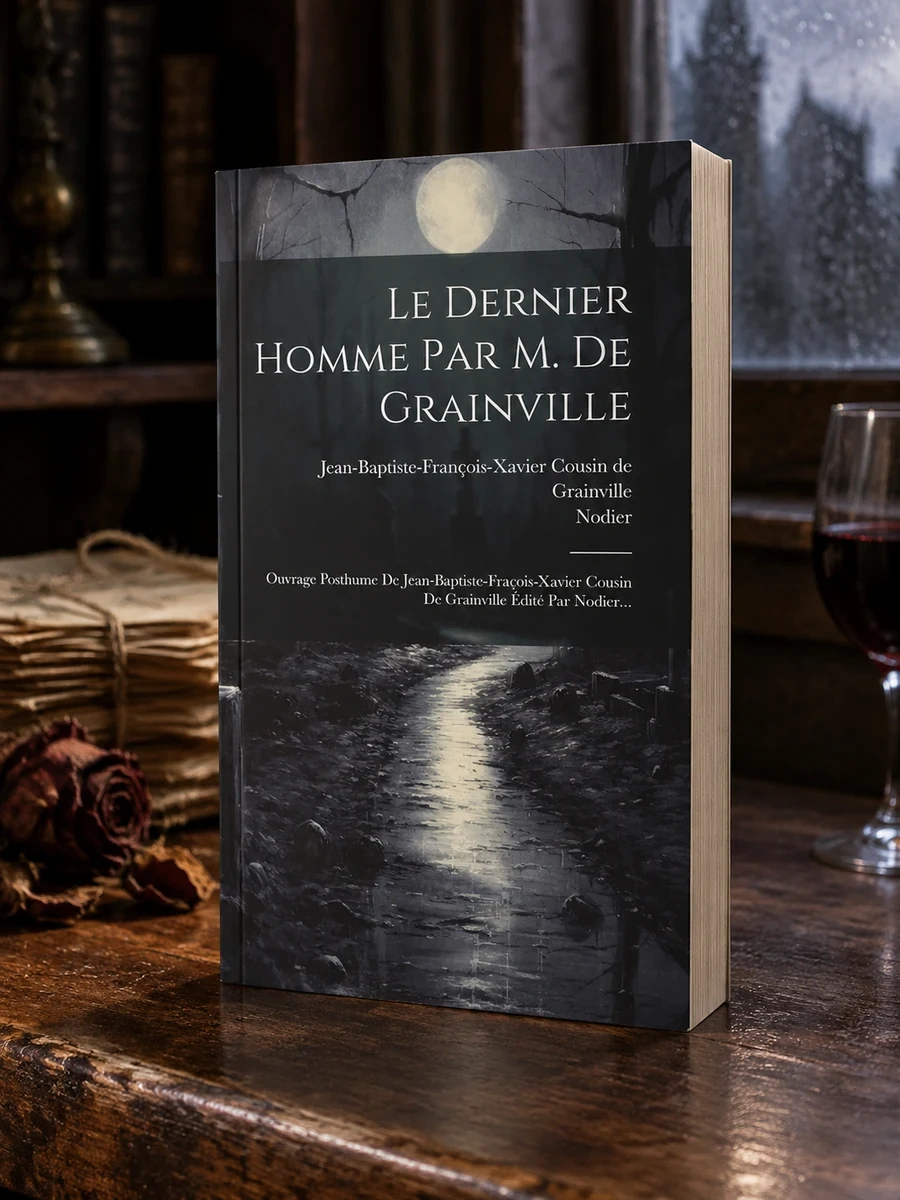
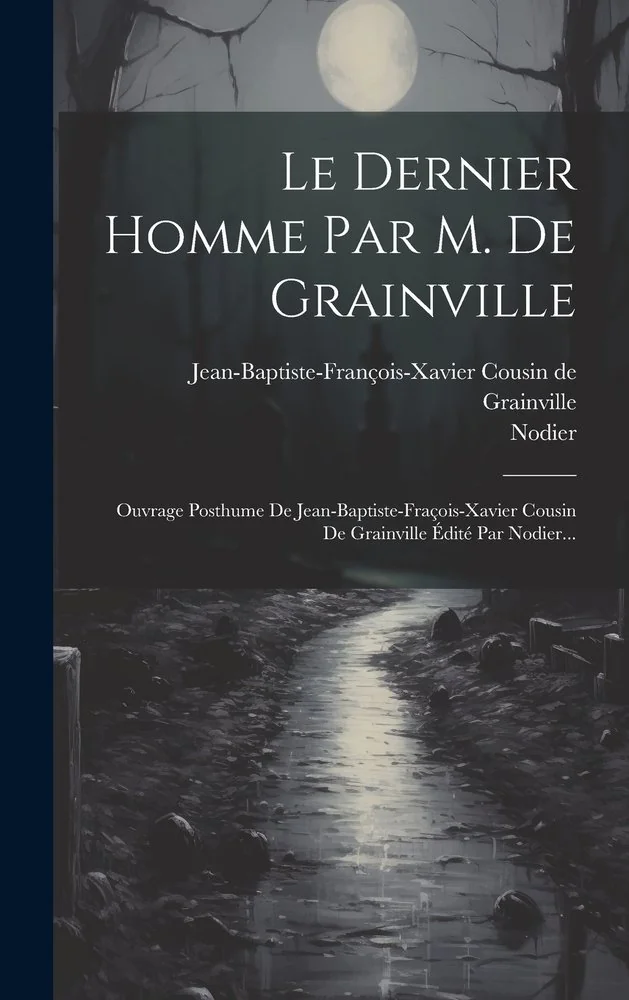
Le Dernier Homme Par M. De Grainville: Ouvrage Posthume De Jean-baptiste-fracois-xavier Cousin De Grainville Edite Par Nodier...
A posthumous gothic novel about the last surviving man in an apocalyptic future.
Jean-Baptiste-Francois-Xavier Cousin de Grainville wrote this story before his death, with Nodier handling the editing process. The plot centers on a single individual fighting for survival after humanity has almost vanished. This work represents a specific moment in literary history where authors began imagining global catastrophe through a gothic lens. The narrative does not rely on complex scientific theories but focuses on the emotional and physical state of the last person alive. The text remains available because scholars deemed it important enough to preserve. It stands as a primary source for understanding how early 19th-century writers conceptualized the end of civilization.
This text sits within the public domain in the United States and possibly other nations. Scholars consider it culturally important for preserving the knowledge base of civilization. The work is part of the broader tradition of gothic literature that examines supernatural and existential fears.


📝 Description: Le Dernier Homme Par M. De Grainville: Ouvrage Posthume De Jean-baptiste-fracois-xavier Cousin De Grainville Edite Par Nodier...
💎 Our verdict on Le Dernier Homme Par M. De Grainville: Ouvrage Posthume De Jean-baptiste-fracois-xavier Cousin De Grainville Edite Par Nodier...
📖 Why choose it
Why this book is worth reading
This title is essential for readers who appreciate early gothic and supernatural fiction that examines the profound theme of human extinction without relying on modern scientific speculation. It offers a unique literary exploration of isolation, focusing on the emotional and physical state of the final survivor in a desolate world. Scholars and students studying the evolution of apocalyptic narratives in 19th-century literature will find this text invaluable as it preserves the cultural knowledge base regarding how historical figures conceptualized the end of humanity. It appeals to those interested in philosophical depth over thriller pacing or detailed future scenarios, providing a window into the intellectual currents that shaped early disaster fiction.
⭐ Reader reviews
Reader rating
This volume serves as a significant historical artifact within the gothic tradition, depicting the struggle for existence of the last man after humanity has nearly vanished. The narrative avoids complex scientific theories, instead prioritizing the philosophical and emotional weight of total isolation. It is best suited for readers interested in the origins of apocalyptic fiction and those who value literary exploration over fast-paced plotting. While it may lack the engagement of contemporary thrillers for some, its value lies in its role as a primary source for understanding early 19th-century conceptualizations of civilizational collapse. The text remains culturally significant, offering a stark, desolate view of survival that defines the genre's historical development.
📖 Read on the blog
✍️ More books by this author Jean-Baptiste-Francois-Xavier Cousin de


🏛 Books from this publisher Legare Street Press



You might also like
See more →

Have a question about this item?
Ask about the edition, condition, delivery or anything else — we reply by email or phone, usually within a day.
