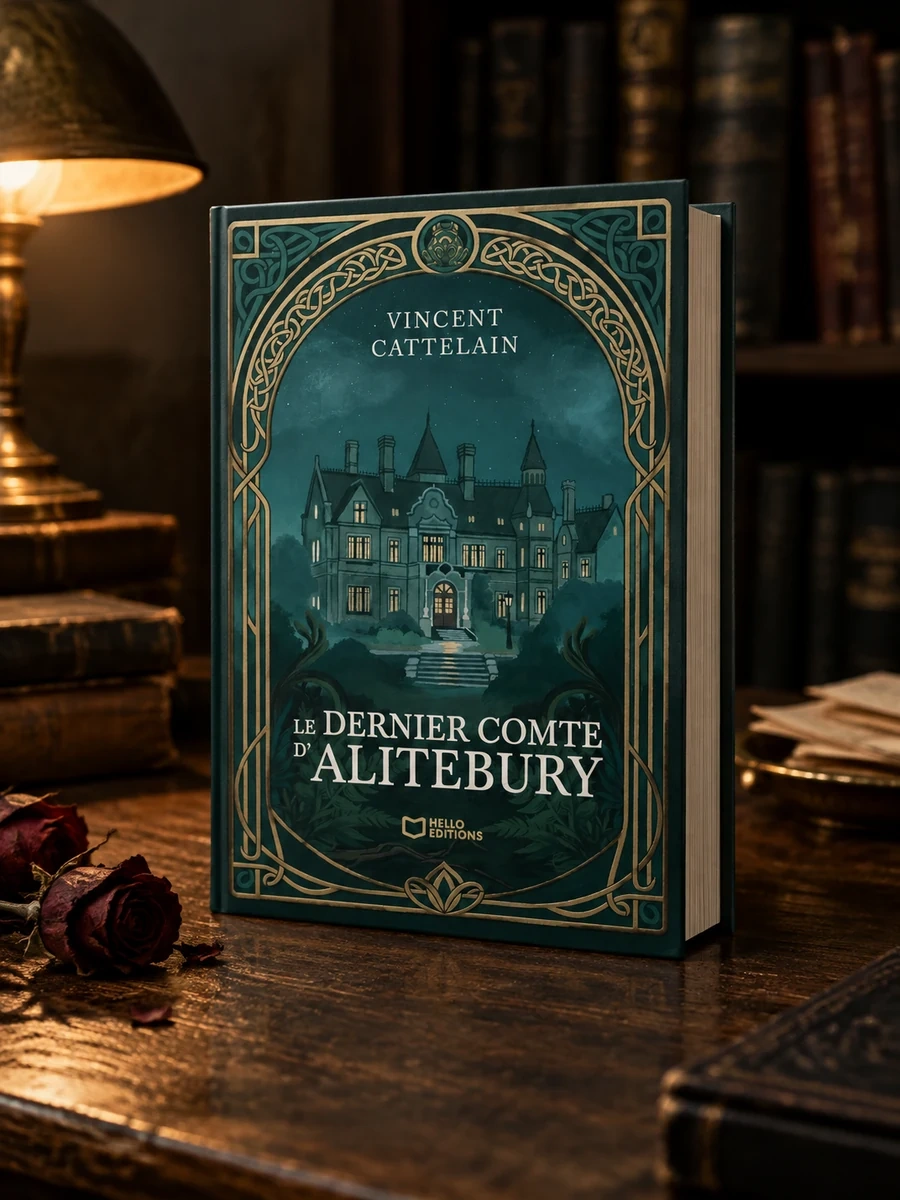
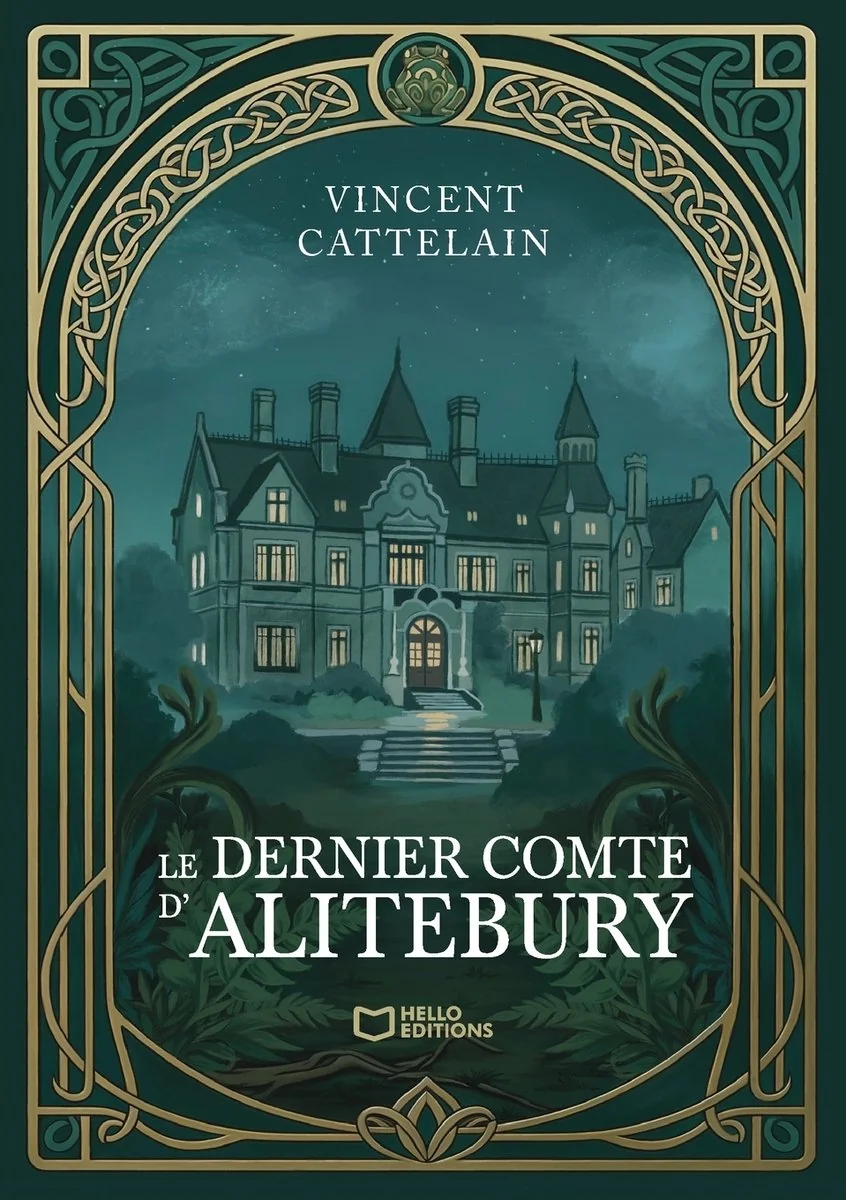
Le Dernier Comte d'Alitebury
A forgotten Oxford book predicts deaths, leading two men to a haunted English manor.
The story follows Charles Redwind and Sirius de Demetran as they trace a missing British regiment from 1702. Their journey moves from Oxford through Europe to the Alitebury estate. The text uses the mystery of the vanished soldiers to explore themes of memory and repressed history. Cattelain builds atmosphere through the interaction between the professor and the heir. The narrative structure mirrors their investigation, revealing secrets gradually. Readers will find a focus on the psychological weight of the past rather than immediate supernatural scares. The setting shifts from academic spaces to the isolated manor, emphasizing the isolation of the characters.
The work engages with English heritage and British military history. It references the winter of 1702 and the legacy of the royal army. The setting moves from Oxford to European locations, grounding the supernatural elements in specific historical geography.


📝 Description: Le Dernier Comte d'Alitebury
💎 Our verdict on Le Dernier Comte d'Alitebury
📖 Why choose it
Why this book is worth reading
Readers seeking a slow-burn supernatural investigation will find this narrative deeply rewarding. The book appeals to those who appreciate the tension between academic curiosity and ancient, lingering dread rather than immediate scares. It is ideal for enthusiasts of gothic traditions who enjoy exploring themes of memory and repressed history through a meticulous lens. Those who favor atmospheric settings over fast-paced action or modern urban horror will likely connect with the isolation of the characters and the gradual revelation of secrets. The story offers a precise exploration of how the past refuses to stay silent, making it a compelling choice for fans of historical mystery intertwined with psychological weight.
⭐ Reader reviews
Reader rating
Cattelain constructs a compelling atmosphere through the interaction between the professor and the heir, emphasizing the isolation of the characters as they shift from academic spaces to an isolated manor. The narrative mirrors their investigation, revealing secrets gradually while focusing on the psychological impact of history. This approach suits readers who enjoy European atmospheric settings and slow-burn supernatural elements. However, it may not appeal to those seeking immediate action or modern horror tropes. The text successfully draws on gothic traditions to explore the persistence of the past. Its precision in building tension makes it a strong entry for fans of psychological horror who value mood over jump scares.
📖 Read on the blog
🏛 Books from this publisher Hello Editions



You might also like
See more →

Have a question about this item?
Ask about the edition, condition, delivery or anything else — we reply by email or phone, usually within a day.
