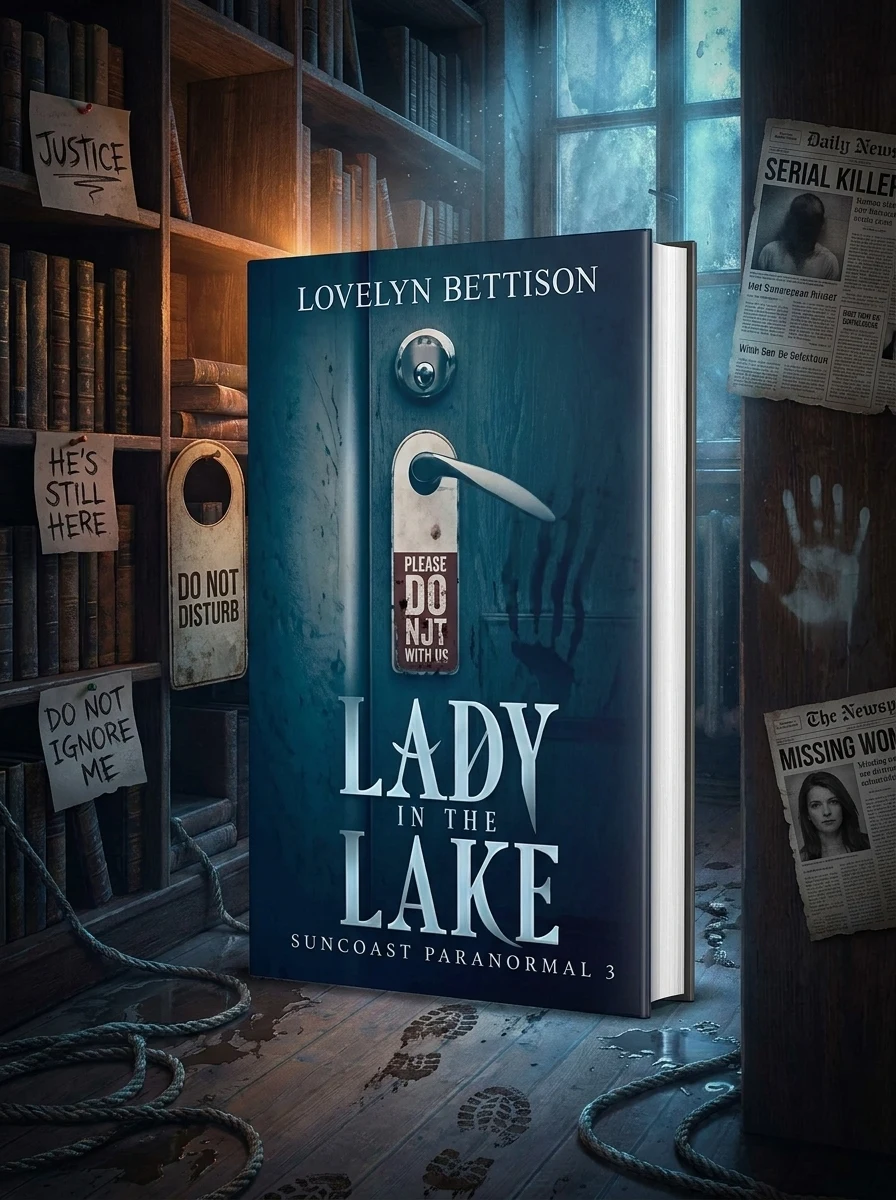

Lady in the Lake
A ghost demands justice from a psychic detective hunting a serial killer.
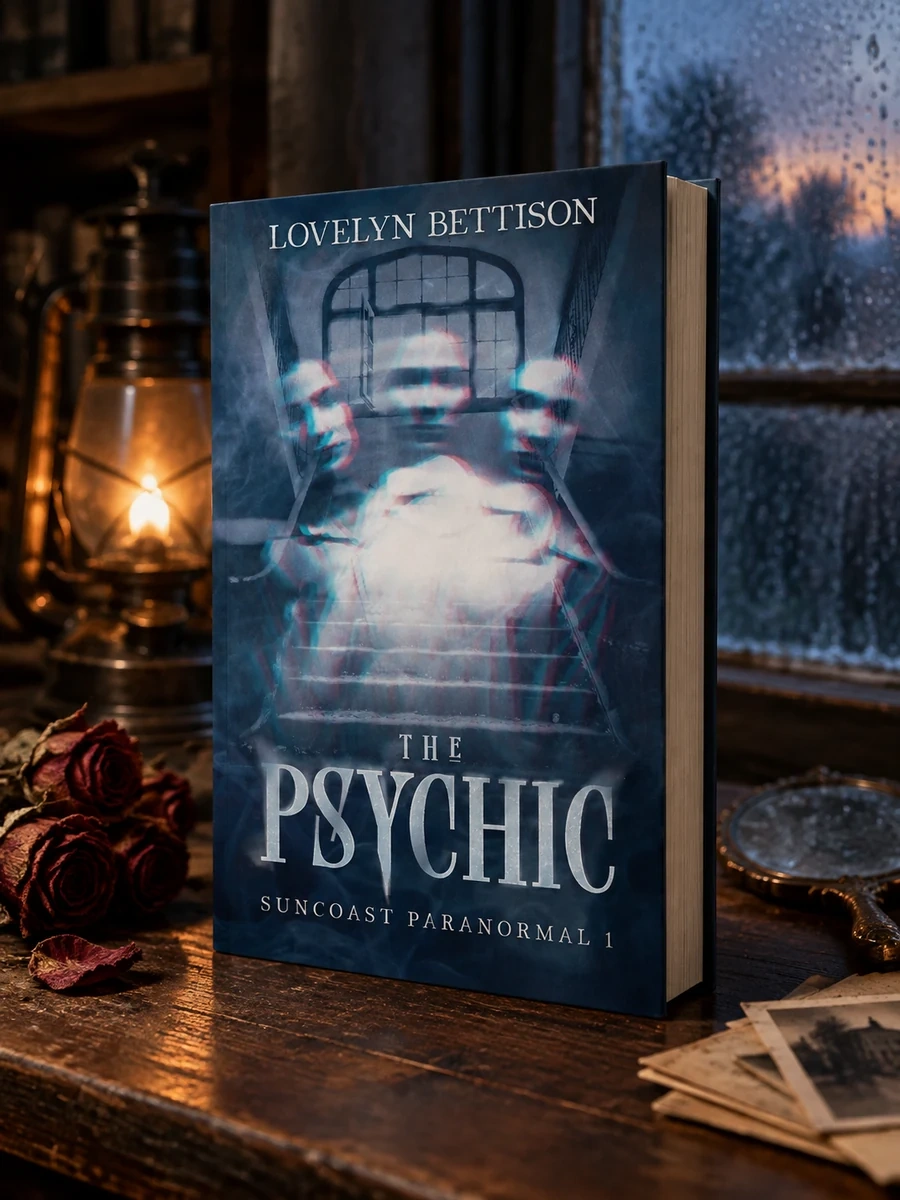
Cheryl faces a relentless haunting by a victim seeking closure. The spirit’s persistence ties directly to an active serial killer in Cheryl’s hometown. As she investigates, her ex-husband disappears, and strangers provide cryptic warnings. The narrative blends supernatural elements with crime procedural tropes. Bettison uses the ghost’s perspective to heighten tension while tracking the human antagonist. The story culminates in a revelation that recontextualizes the killer’s identity. This approach appeals to those who like psychic detectives navigating personal trauma alongside external threats.
This work fits within the American paranormal thriller tradition, specifically the subgenre of psychic detective fiction. It draws on the Suncoast Paranormal series context, blending supernatural elements with contemporary serial killer storylines for readers who enjoy emotionally intense narratives driven by personal stakes.


📝 Description: Lady in the Lake
💎 Our verdict on Lady in the Lake
📖 Why choose it
Why this book is worth reading
Readers who enjoy the intersection of supernatural elements and procedural crime fiction will find this title compelling. It appeals specifically to those drawn to psychic detective narratives where personal trauma intersects with external threats. The book offers a unique perspective by utilizing the ghost’s point of view to heighten tension, providing an alternative to standard detective tropes. Fans of gothic atmosphere mixed with serial killer suspense will appreciate the emotional intensity driven by the protagonist's past. It serves as a compelling entry for those seeking stories where justice is pursued across the boundary between life and death, offering both mystery resolution and paranormal intrigue.
⭐ Reader reviews
Reader rating
Bettison effectively merges ghost story conventions with serial killer suspense, creating a layered narrative that demands attention. The use of the spirit’s perspective adds a distinct tension to the procedural investigation, grounding the supernatural in tangible stakes. By tying the haunting directly to an active threat, the author maintains momentum while exploring themes of closure and justice. The emotional weight carried by the protagonist enhances the plot, making the resolution feel earned rather than accidental. This approach suits readers who prefer psychic detectives navigating complex personal histories alongside dangerous external adversaries. The structural balance between supernatural mystery and crime procedural elements ensures broad appeal within the horror genre.