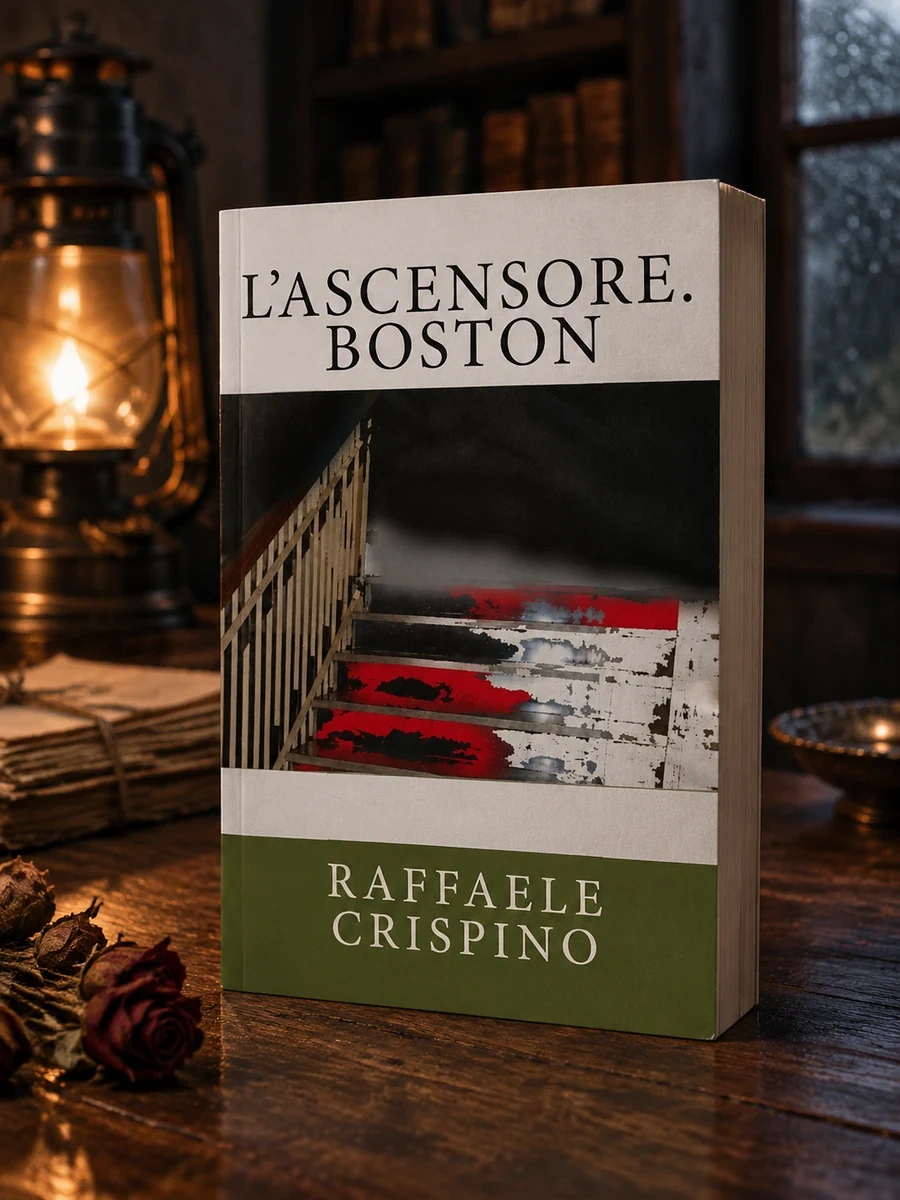

L'ascensore. Boston
A businessman trapped in a timeless, light-filled house by a mysterious woman named Angel.
The plot revolves around George Fratta’s disorientation after entering an elevator. He arrives at an unfamiliar residence where Angel keeps him captive. The text emphasizes the oppressive brightness of the setting and the impossibility of finding the exit. Crispino structures the narrative as a psychological descent, focusing on George’s internal struggle against an external, enigmatic force. The story draws on Italian-American cultural backgrounds while exploring themes of isolation and temporal distortion. The protagonist’s profession in fashion provides a stark contrast to the surreal horror he encounters.
This work originates from an independent publishing platform in 2012. It reflects the Italian-American literary tradition through its protagonist’s background. The narrative blends contemporary urban settings with classic gothic horror elements, creating a unique fusion of modern professional life and ancient supernatural dread.


📝 Description: L'ascensore. Boston
💎 Our verdict on L'ascensore. Boston
📖 Why choose it
Why this book is worth reading
Readers who appreciate slow-burn psychological dread and metaphysical horror will find this book compelling. It offers a unique exploration of isolation through the lens of an Italian-American protagonist, blending supernatural elements with deep internal struggle. The story provides a claustrophobic atmosphere that appeals to those interested in temporal distortion and enigmatic forces rather than conventional scares. Those who enjoy analyzing the contrast between professional life and surreal terror will engage with the text's focus on George Fratta's disorientation. It is ideal for audiences seeking atmospheric depth and character-driven psychological descent over fast-paced action or traditional jump scares, offering a contemplative yet terrifying experience centered on the impossibility of escape.
⭐ Reader reviews
Reader rating
Crispino effectively constructs a claustrophobic atmosphere by juxtaposing George Fratta’s fashion industry background with a surreal, light-filled nightmare. The narrative excels in portraying internal psychological descent against an external enigma, creating a sense of oppressive brightness that defies logic. The emphasis on temporal distortion and isolation resonates well within the gothic tradition, offering a fresh perspective through its specific cultural context. While it lacks fast-paced action, the book succeeds as a study of metaphysical horror and entrapment. It suits readers who prefer atmospheric tension and character-focused dread over visceral thrills, delivering a coherent and unsettling journey into the unknown.
📖 Read on the blog
✍️ More books by this author Raffaele Crispino
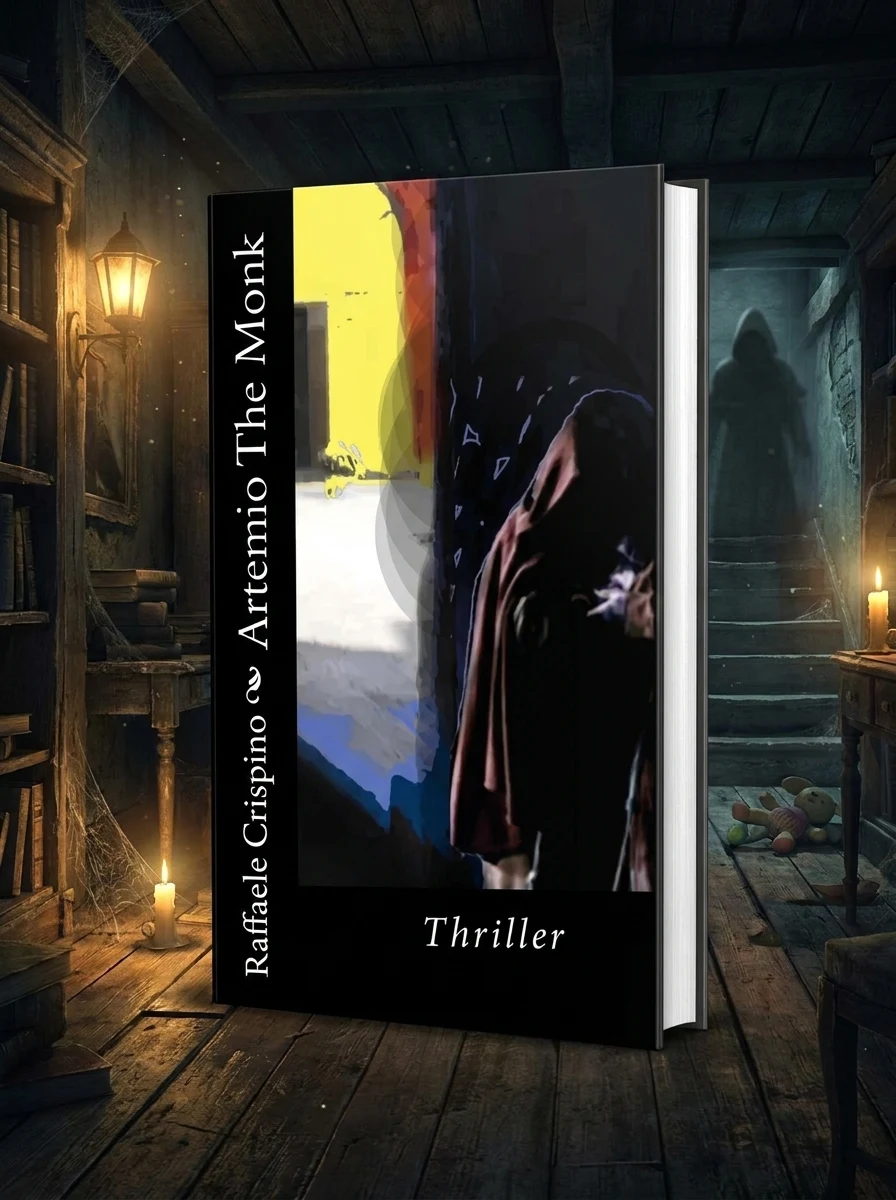


🏛 Books from this publisher Createspace Independent Publishing Platform






You might also like
See more →
Have a question about this item?
Ask about the edition, condition, delivery or anything else — we reply by email or phone, usually within a day.
