Korean Ghost Stories
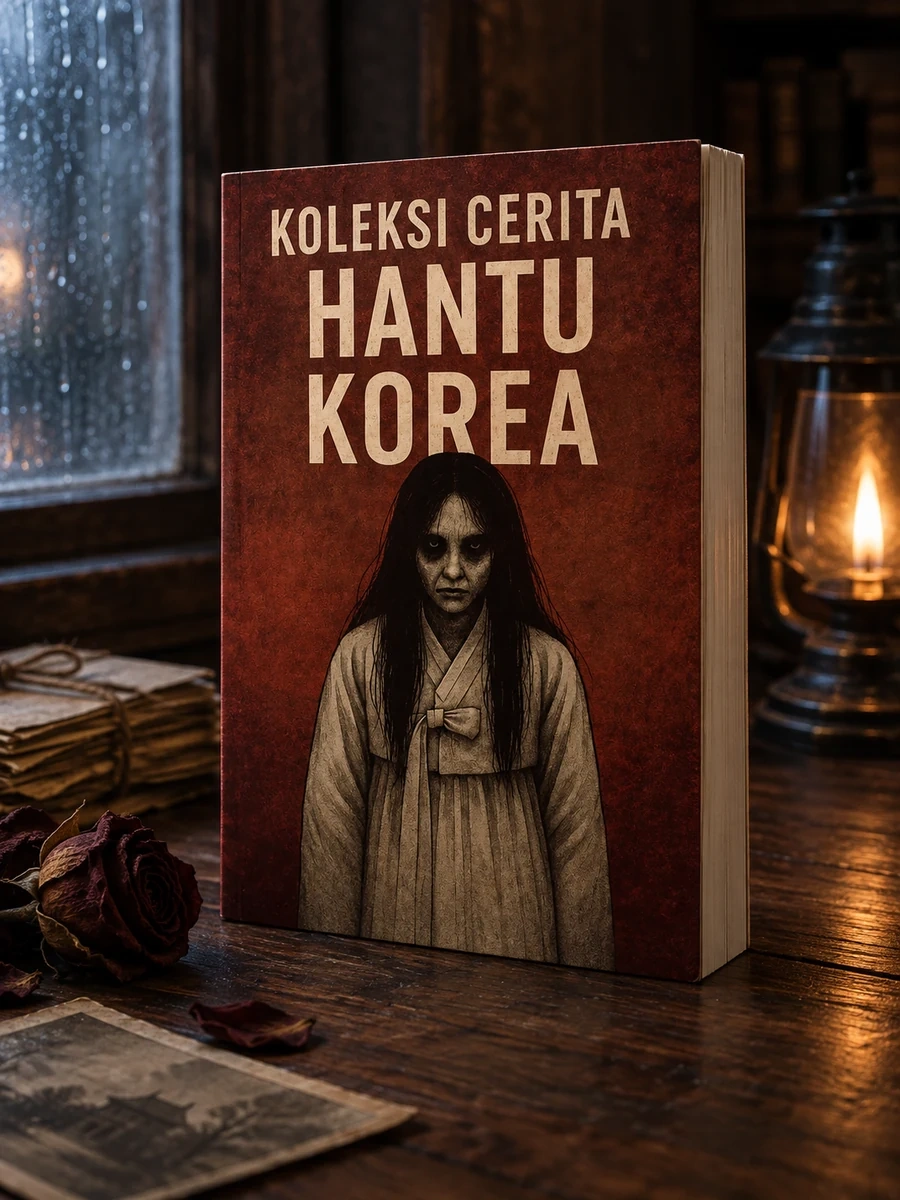
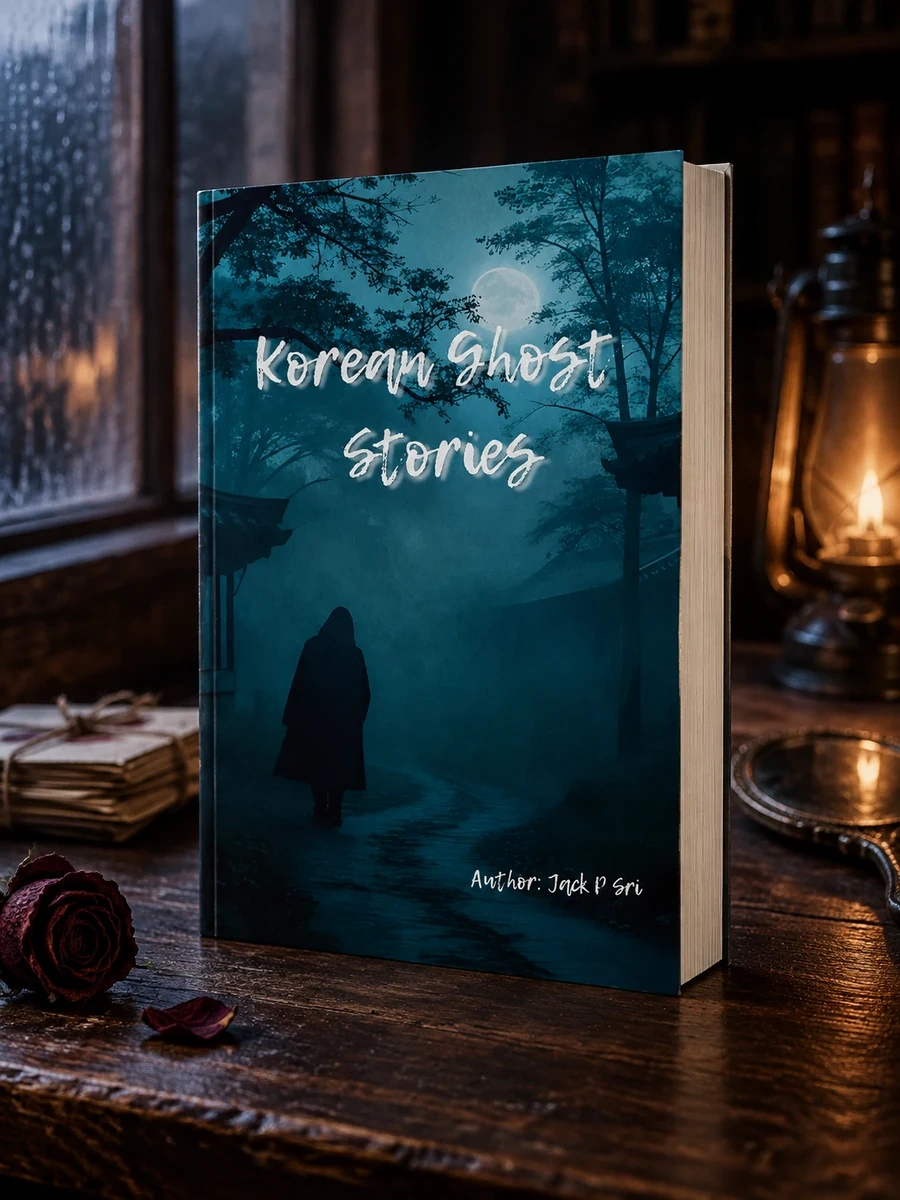
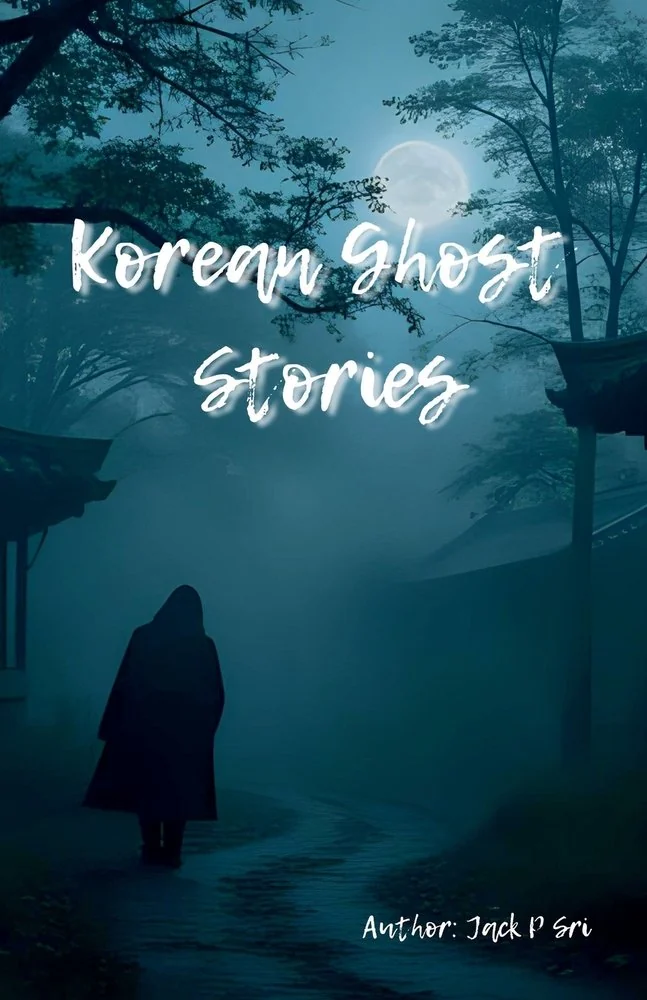
Jack P Sri presents eighteen tales of Korean ghosts and folklore in a single volume.
This collection focuses on reimagining ancient Korean myths through a contemporary narrative style. Sri selects specific entities such as the Gumiho and Cheonyeo Gwishin to anchor each story. The text avoids generic horror tropes by grounding its fear in established cultural legends. The forgotten soldiers who never left the battlefield provide a unique historical angle within the supernatural framework. This approach allows the stories to feel both familiar and new. The organization prioritizes thematic consistency over chronological order. Readers gain insight into how these figures continue to influence modern storytelling. The volume does not attempt to explain the folklore academically but rather illustrates its enduring power through fiction.
The work draws on Korean folklore and ancient myths, focusing on figures like the Gumiho and Cheonyeo Gwishin. It applies a modern lens to these traditions while remaining rooted in cultural truths that have terrified generations.


📝 Description: Korean Ghost Stories
💎 Our verdict on Korean Ghost Stories
📖 Why choose it
Why this book is worth reading
This collection appeals to those seeking a structured entry point into Korean mythological figures without academic explanation. Readers gain insight into how entities like the Gumiho and restless soldiers continue to influence modern storytelling through fiction. It suits fans of horror who appreciate specific cultural legends over Western traditions. The volume bridges the gap between ancient folklore and contemporary narrative, providing fresh looks at familiar spirits. Those interested in psychological ghost stories with an Asian twist will find value in its thematic consistency. The inclusion of varied settings, such as haunted classrooms, adds depth to the exploration of these enduring supernatural figures.
⭐ Reader reviews
Reader rating
Jack P Sri presents eighteen distinct narratives that reimagine Korean folklore through a contemporary lens. The anthology avoids generic horror tropes by anchoring fear in established cultural legends, creating stories that feel both familiar and new. It effectively illustrates the enduring power of figures like the Cheonyeo Gwishin and forgotten soldiers. The work is best suited for readers interested in psychological ghost stories with an Asian twist. Those seeking traditional Western ghost stories or non-fiction historical accounts may find the focus on supernatural fiction less aligned with their preferences. This volume offers a unique exploration of how these entities continue to shape modern horror, providing a cohesive yet varied reading experience for enthusiasts of dark fantasy and cultural myth.