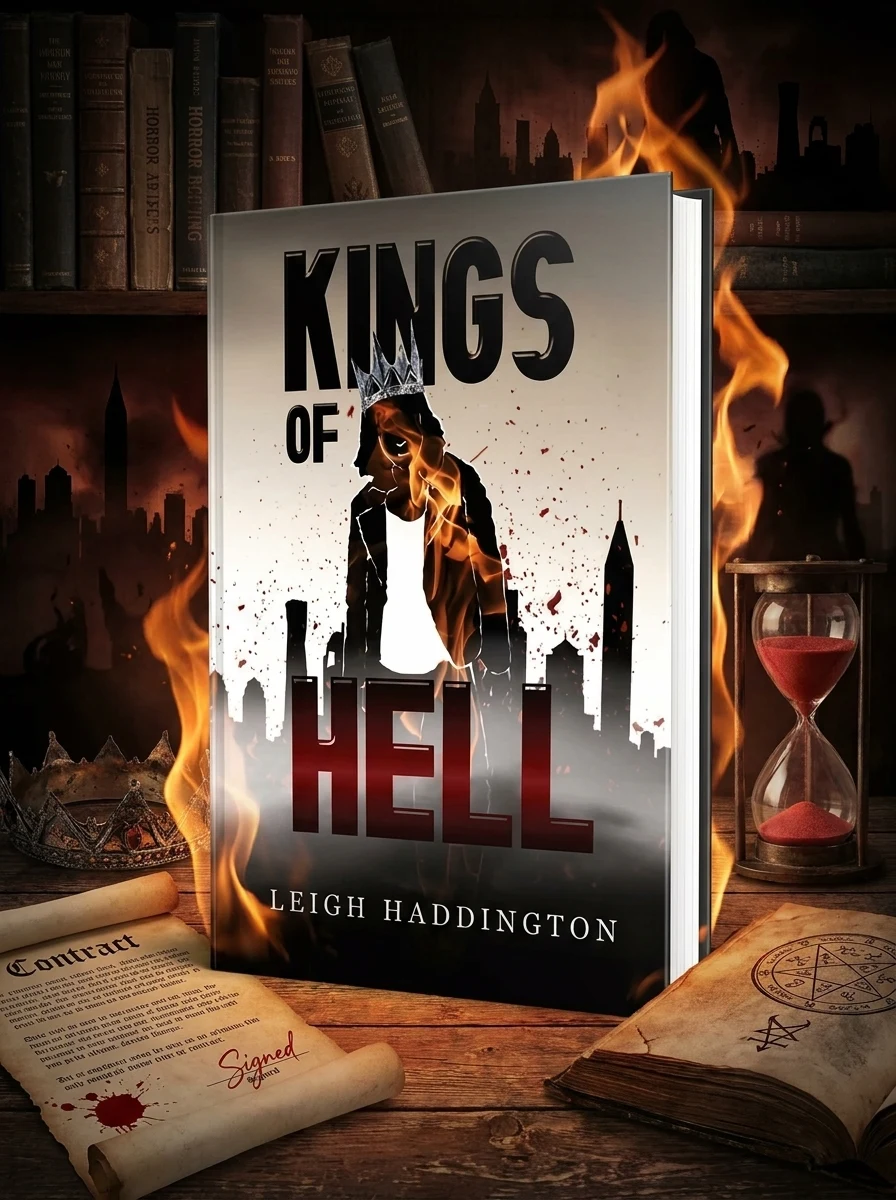
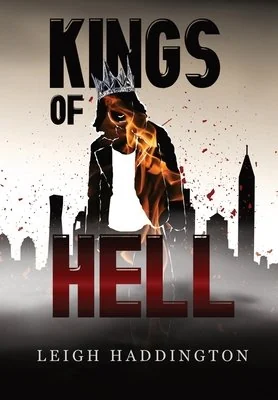
Kings of Hell
A mother trades her son's soul to the devil in this dark supernatural novel.
Haddington explores the consequences of a maternal sacrifice that binds a boy to the throne of Hell. Jude Fitzroy believes she is protecting Nick, but the deal strips him of his autonomy. The narrative examines how power corrupts and how family bonds can become chains. Lucifer’s presence looms over every decision, ensuring the terms are honored. The story does not offer easy escapes or happy endings for those who break rules. It focuses on the tension between duty and desire. Readers seeking gentle romance will find this too harsh. Those who enjoy moral ambiguity and demonic politics will appreciate the complexity of Nick’s situation. The plot moves through the years leading to his eighteenth birthday, building toward a inevitable confrontation with the King of Hell himself.
The novel engages with Miltonic theology and traditional devil lore. It places Hell in proximity to modern life. The work reflects contemporary horror trends that blend family drama with supernatural stakes. It appeals to American readers who enjoy gothic fiction with a dark, violent edge.


📝 Description: Kings of Hell
💎 Our verdict on Kings of Hell
📖 Why choose it
Why this book is worth reading
This book is ideal for readers who enjoy moral ambiguity, complex family dynamics, and high-stakes supernatural conflicts. It appeals to those fascinated by demonic lore and the corruption of power within familial bonds. Fans of gothic horror and psychological tension will find the narrative rewarding. Those seeking gentle romance should avoid it, as the tone is harsh and unforgiving. The story offers a deep dive into the consequences of desperate sacrifices and the burden of inherited destiny.
⭐ Reader reviews
Reader rating
Haddington delivers a compelling exploration of maternal sacrifice and its corrosive effects on autonomy. The narrative effectively builds tension through the protagonist's struggle for freedom against an inevitable demonic fate. By integrating Miltonic themes, the author elevates standard supernatural tropes into a study of power and duty. The work suits readers who appreciate dark fantasy with intricate political undertones and visceral stakes. It avoids easy escapes, offering instead a complex examination of how family bonds can become chains. Those who enjoy moral ambiguity and intense psychological drama will find this narrative particularly engaging and thought-provoking.
You might also like
See more →




Have a question about this item?
Ask about the edition, condition, delivery or anything else — we reply by email or phone, usually within a day.
