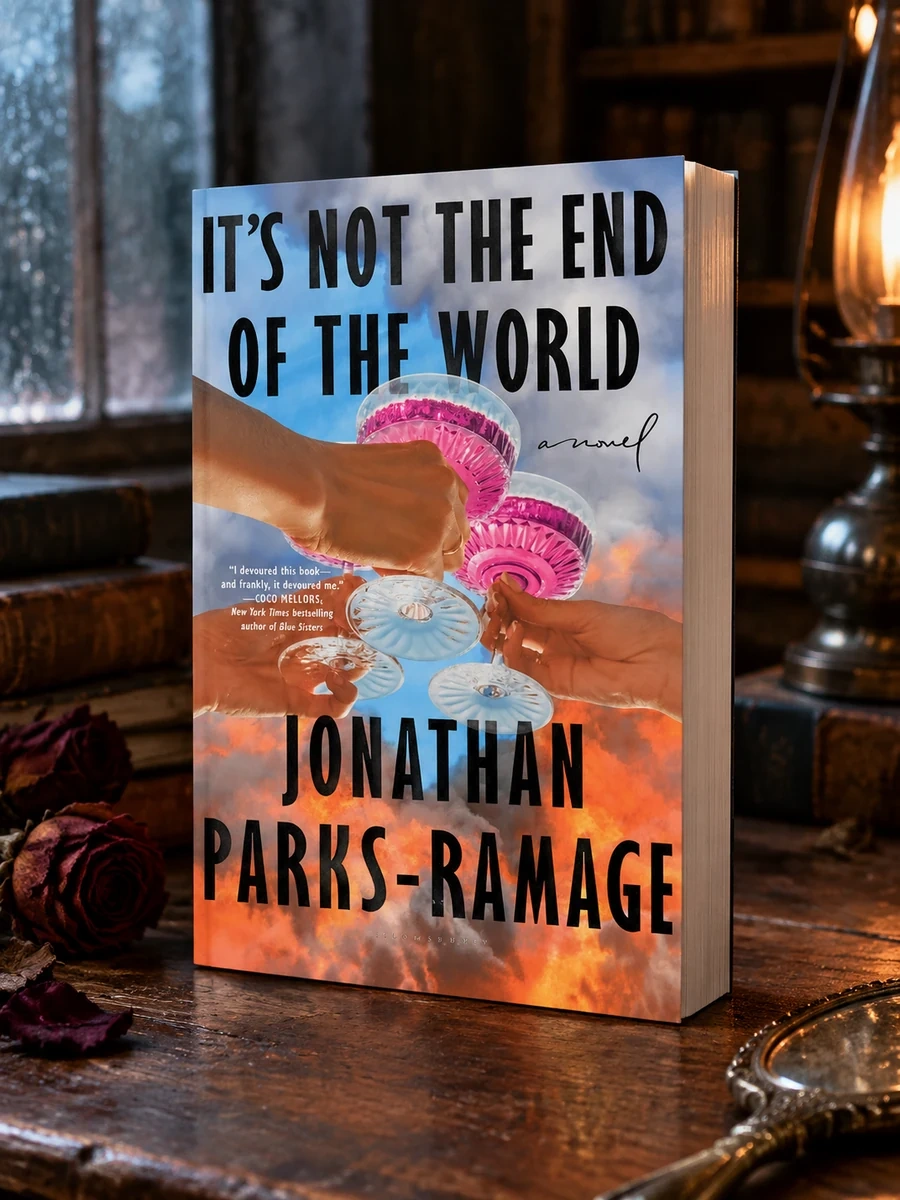
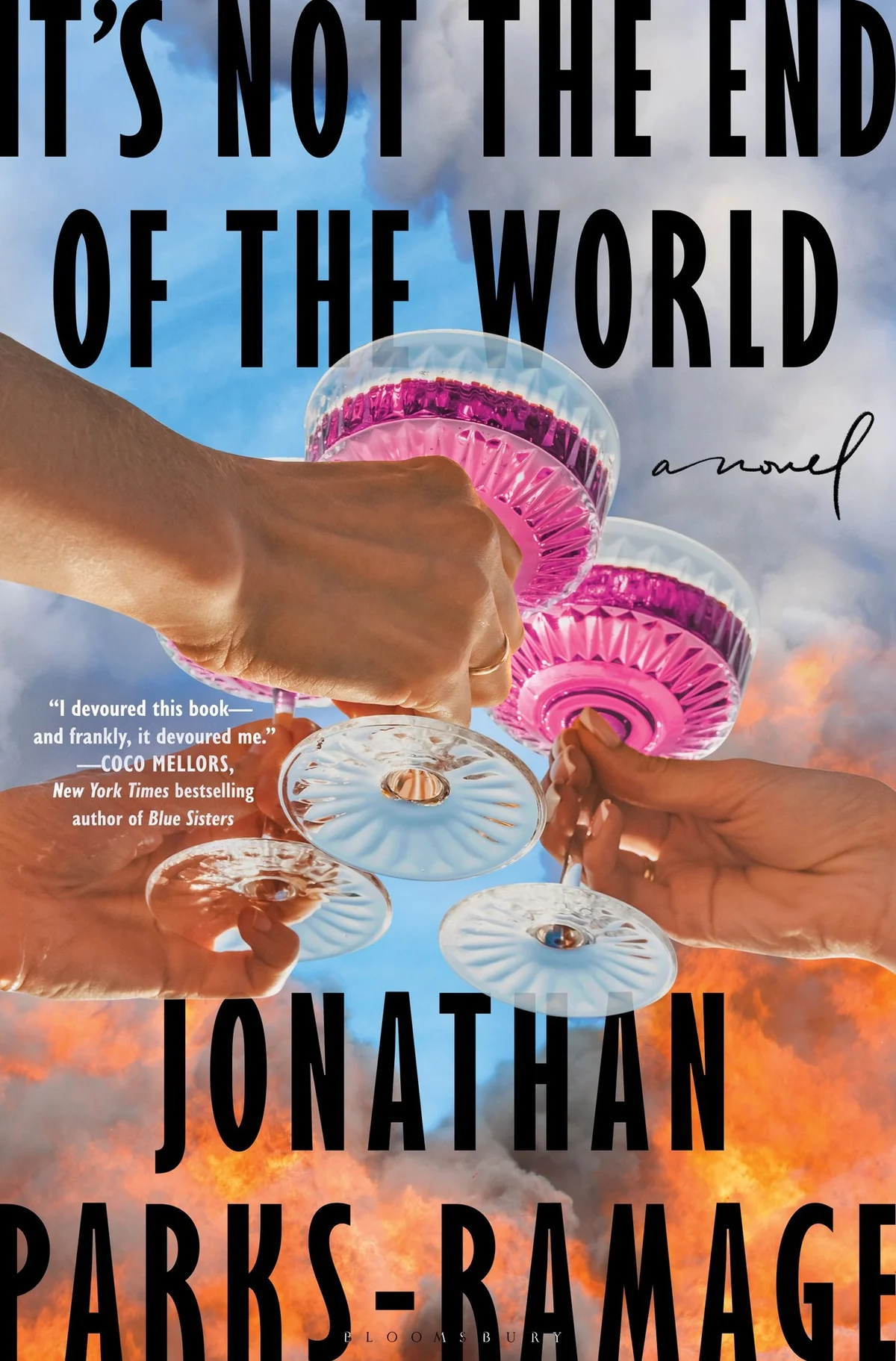
It's Not the End of the World
A queer climate fiction novel about love and apocalypse by Jonathan Parks-Ramage.
This book stands out as a pick for the New York Times Style Magazine and Marie Claire. It combines elements of horror with a focus on queer identity. The author, Jonathan Parks-Ramage, creates a story that is both funny and frightening. Readers looking for traditional gothic tales might find the climate focus unusual. However, fans of Electric Literature’s selections will likely appreciate the urgency. The narrative does not shy away from difficult topics. It offers a fresh perspective on how personal relationships survive when the world ends. The humor provides relief without diminishing the stakes. This is a story for those who want fiction that feels relevant and sharp.
Published by Bloomsbury Publishing in June 2025, this title sits at the intersection of contemporary queer literature and climate anxiety. It reflects current cultural conversations about environmental crisis through a supernatural lens, gaining recognition from major publications like Out Magazine and Marie Claire for its timely and original approach.


📝 Description: It's Not the End of the World
💎 Our verdict on It's Not the End of the World
📖 Why choose it
Why this book is worth reading
Readers seeking fiction that feels urgently relevant and sharp will find this novel rewarding. It offers a fresh perspective on how personal relationships survive when the world ends, balancing intimate character development with broader societal dread. The narrative provides relief through humor without diminishing stakes, making it suitable for those interested in how personal lives intersect with global crises. Fans of original voices who enjoy modern speculative fiction that avoids heavy academic language will appreciate its direct and engaging style. It is ideal for readers wanting a story that is both funny and frightening while exploring queer identity amidst environmental collapse.
⭐ Reader reviews
Reader rating
Parks-Ramage delivers a scarily prescient and outrageously funny narrative that blends queer romance with climate fiction. The work stands out for its unique tone, avoiding traditional gothic tropes in favor of contemporary anxieties about the planet. By grounding supernatural horror elements in real-world environmental dread, the author creates a story that is both intimate and vast. This approach appeals to readers who enjoy original voices and those interested in the intersection of personal lives with global crises. The text maintains an engaging style suitable for fans of modern speculative fiction, offering a sharp, relevant examination of love and apocalypse without shying away from difficult topics.