
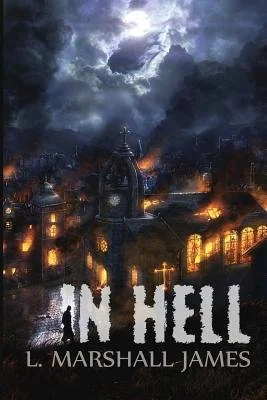
In Hell
A story about Paul facing the South American flu in Pittsburgh without becoming a hero.
James challenges the genre convention of the capable survivor. Paul’s internal monologue reveals his delusion of grandeur before the crisis hits. He anticipates a role as a savior, ready to reconstruct society from the ashes. The narrative systematically dismantles this expectation. The text does not offer hope or redemption. It focuses on the immediate, unglamorous reality of being unprepared. The setting of Pittsburgh grounds the supernatural elements in a recognizable American urban landscape. The author uses the flu as a catalyst for exposing the fragility of civilization. This is not a tale of resistance but of inevitable defeat. Readers looking for empowerment will find this narrative deeply unsettling. It serves as a cautionary study on the gap between imagined resilience and actual vulnerability.
Published by Highwater Publishing in 2013, In Hell engages with the post-9/11 anxiety surrounding infectious disease and civil unrest. It reflects a period where global health scares triggered fears of societal breakdown. The work sits within the tradition of American horror that questions national exceptionalism and individual agency during catastrophe.


📝 Description: In Hell
💎 Our verdict on In Hell
📖 Why choose it
Why this book is worth reading
Readers who crave empowerment through action will find this narrative deeply unsettling, making it ideal for those seeking a cautionary study on the gap between imagined resilience and actual vulnerability. It appeals to audiences interested in psychological realism over adventure, offering a stark look at human limitation when faced with an unstoppable force. The book is recommended for fans of grim, unglamorous portrayals of societal collapse who prefer to witness the dismantling of delusions rather than the triumph of will. It serves as a rigorous examination of fragility, grounding supernatural elements in a recognizable American urban landscape to expose the harsh reality of failure without offering redemption or hope.
⭐ Reader reviews
Reader rating
L Marshall James delivers a grim vision of societal collapse by systematically dismantling the fantasy of survival heroism. The narrative focuses on Paul’s internal delusions of grandeur, contrasting them sharply with the unglamorous reality of his insufficient preparedness in Pittsburgh. By stripping away the illusion of the savior figure, James asserts that there are no heroes in Hell, offering a stark look at human limitation. This approach suits readers who prefer psychological realism over action-packed adventure. The text avoids hope or redemption, instead providing a cautionary study on the fragility of civilization. It is a challenging but rewarding experience for those willing to confront the inevitability of defeat without the comfort of traditional narrative resolution.