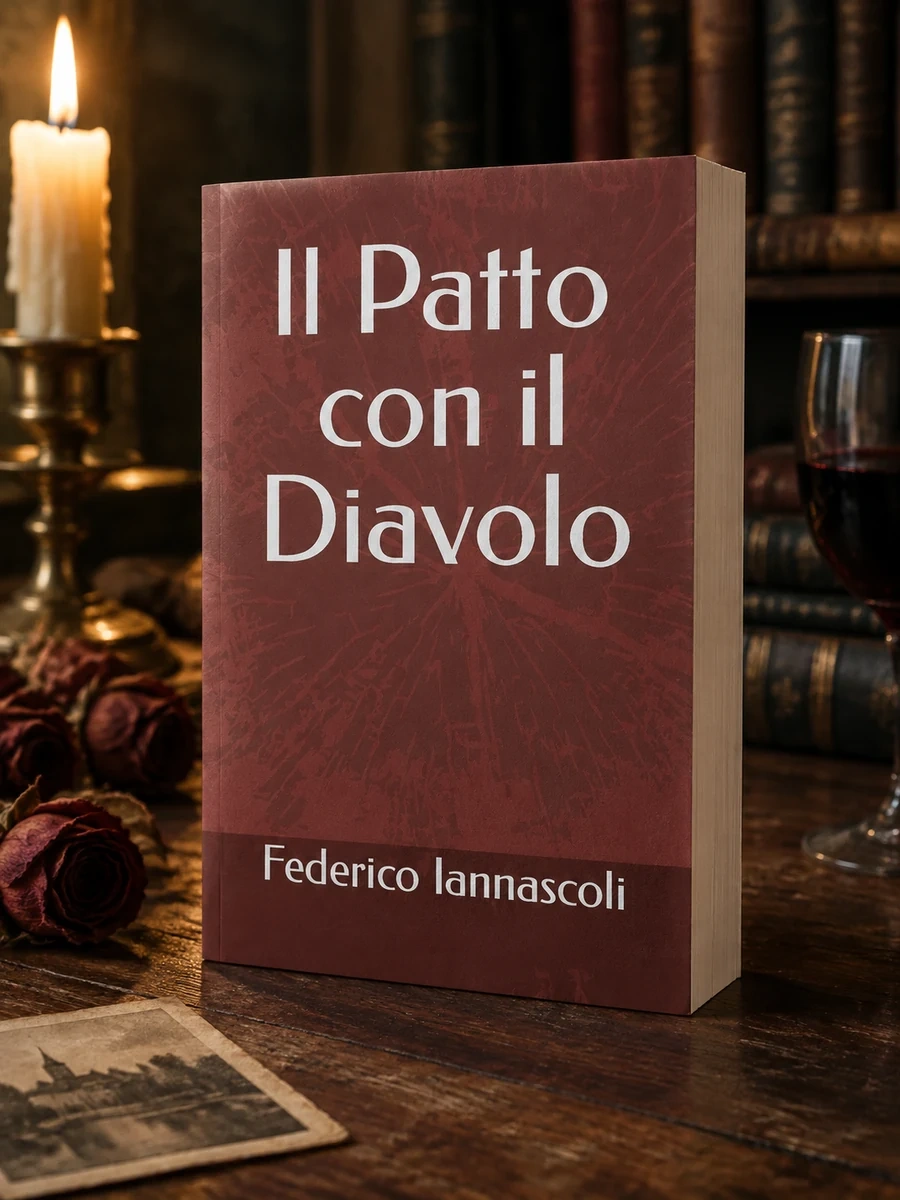
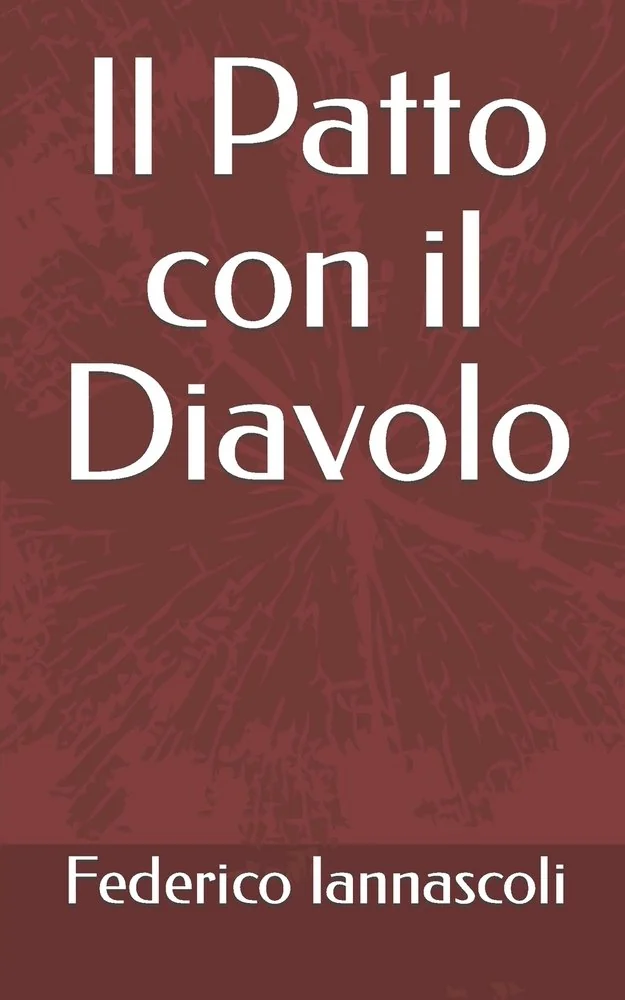
Il Patto con il Diavolo
A seventeen-year-old boy witnesses murders in a cursed town where the killer remains unknown.
The narrative follows Richard, a teenager who sees his peers killed in Strawberry. The town is defined by a century-long mystery involving dismemberment that baffles law enforcement. Iannascoli uses this setting to examine how individuals react when faced with undeniable horror. The story does not rely on supernatural monsters but rather on the psychological burden of witnessing evil. Richard must decide if his testimony will change anything or if the town prefers its secrets buried. The author structures the tale to emphasize the isolation of the witness and the collective denial of the community. This creates a tense atmosphere where the true nature of the curse is more important than the identity of the killer.
This independently published work from 2022 fits within the contemporary horror genre. It utilizes the classic trope of a small town hiding dark secrets. The setting of Strawberry serves as a character itself, reflecting traditional gothic literature where place dictates fate.


📝 Description: Il Patto con il Diavolo
💎 Our verdict on Il Patto con il Diavolo
📖 Why choose it
Why this book is worth reading
Readers who appreciate slow-burn psychological tension and gothic atmospheres will find value in this exploration of communal secrecy. The book appeals to those interested in the moral ambiguity of witnessing horror rather than acting upon it. It suits audiences who prefer character-driven narratives that examine how individuals react to undeniable evil within a cursed environment. Those who enjoy small-town mysteries where the setting itself feels like a character will appreciate the focus on isolation and collective denial. It is ideal for readers seeking depth in thematic weight over fast-paced action or clear resolutions, offering a reflective look at hidden guilt and the persistence of unsolved tragedies.
⭐ Reader reviews
Reader rating
Iannascoli crafts a tense narrative that prioritizes the psychological burden of witnessing violence over conventional plot mechanics. The strength lies in its atmospheric weight and the examination of communal denial within Strawberry. By focusing on Richard’s isolation, the author effectively builds dread without relying on supernatural monsters. This approach suits readers who enjoy psychological horror and gothic traditions where the mystery is internal as much as external. It may frustrate those seeking clear answers or fast-paced action, but it rewards patience with a profound look at moral ambiguity and the fear of buried truths in a cursed landscape.
📖 Read on the blog
🏛 Books from this publisher Independently Published








You might also like
See more →
Have a question about this item?
Ask about the edition, condition, delivery or anything else — we reply by email or phone, usually within a day.
