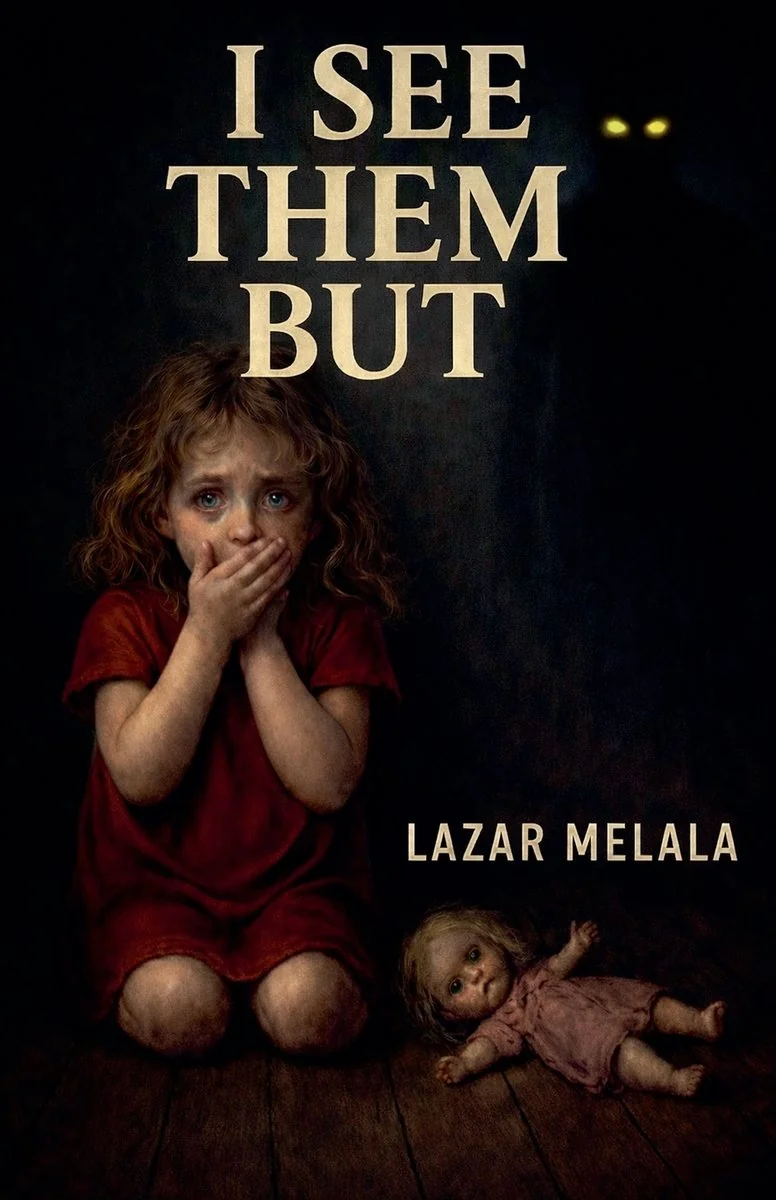
I See Them But
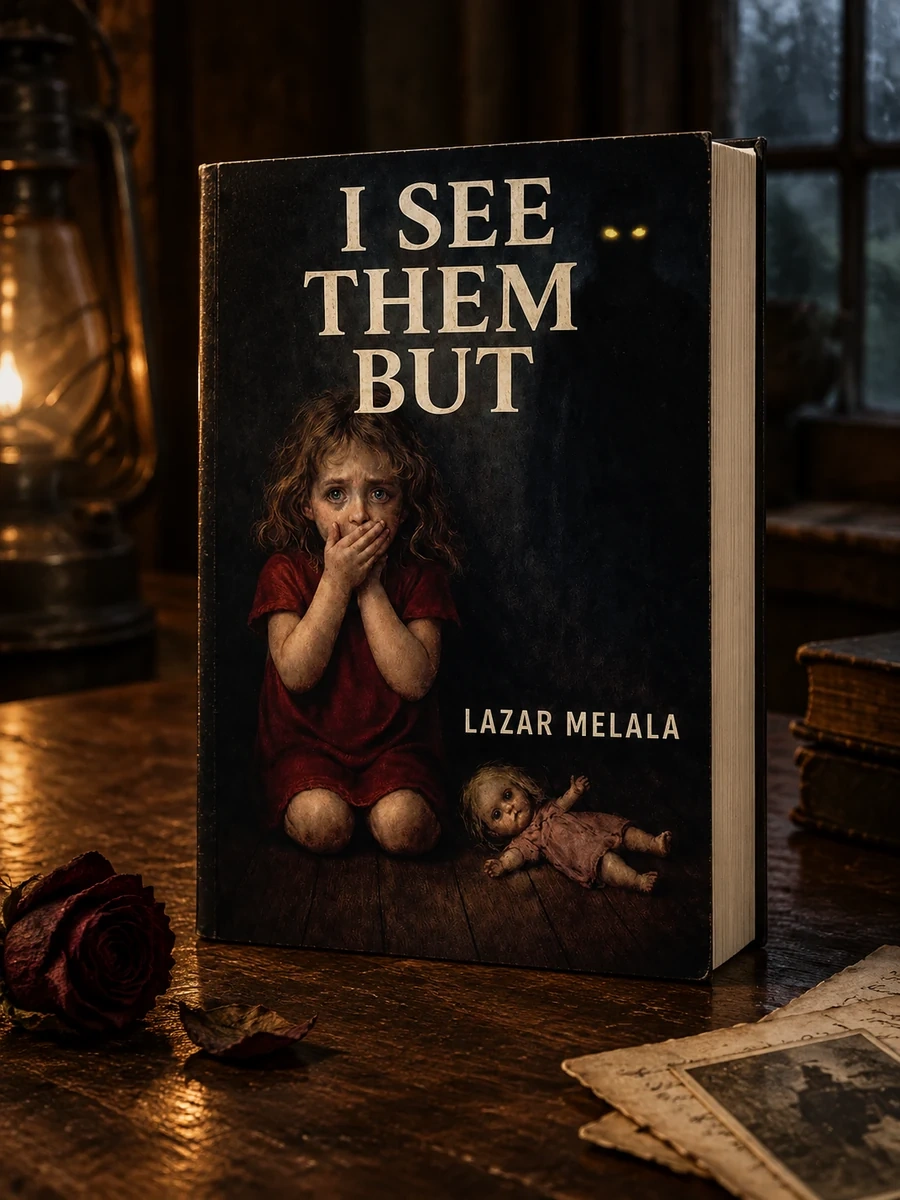
A young woman sees supernatural entities after surviving a fatal accident.
Elara wakes from a coma with no voice but heightened perception. She encounters faces, whispers, and shadows that others ignore. The story questions if these are real or mental fractures. Melala writes with precision about isolation and fear. Readers follow her struggle to understand her new reality without external validation. The narrative stays close to her perspective, creating intimacy with her terror. It avoids explaining the origin of the visions, leaving the truth open to interpretation. This approach builds dread through uncertainty rather than explicit horror elements.
This book sits within the contemporary American horror tradition, focusing on psychological thriller elements blended with supernatural fiction. It draws on modern gothic themes of isolation and unseen threats in familiar settings like hospitals.


📝 Description: I See Them But
💎 Our verdict on I See Them But
📖 Why choose it
Why this book is worth reading
Readers who appreciate slow-burn psychological horror and ambiguity will find this book rewarding. It suits those who enjoy narratives that prioritize internal experience over plot resolution. The tight focus on Elara’s isolation creates an intimate connection with her terror. Those tired of clear answers in horror fiction may find the open-ended nature refreshing. It offers a study in dread built through uncertainty rather than explicit scares. Fans of gothic atmospheres and ghost stories might appreciate the precision of Melala’s prose. The book challenges readers to question reality alongside the protagonist. It is ideal for those who like to linger on eerie, unresolved tensions.
⭐ Reader reviews
Reader rating
Melala crafts a compelling descent into ambiguity through Elara’s silent perspective. The narrative effectively balances psychological thriller elements with ghost story tropes without providing easy answers. By refusing to validate the supernatural or dismiss it as mere trauma, the text sustains a pervasive sense of dread. The prose is precise, capturing the weight of isolation and the fear of being unheard. This approach appeals strongly to readers who enjoy slow-burn horror and ambiguous endings. It may disappoint those seeking traditional jump scares or clear resolutions. However, for fans of cosmic and psychological horror, the intimate portrayal of fractured perception is a standout achievement that lingers long after reading.