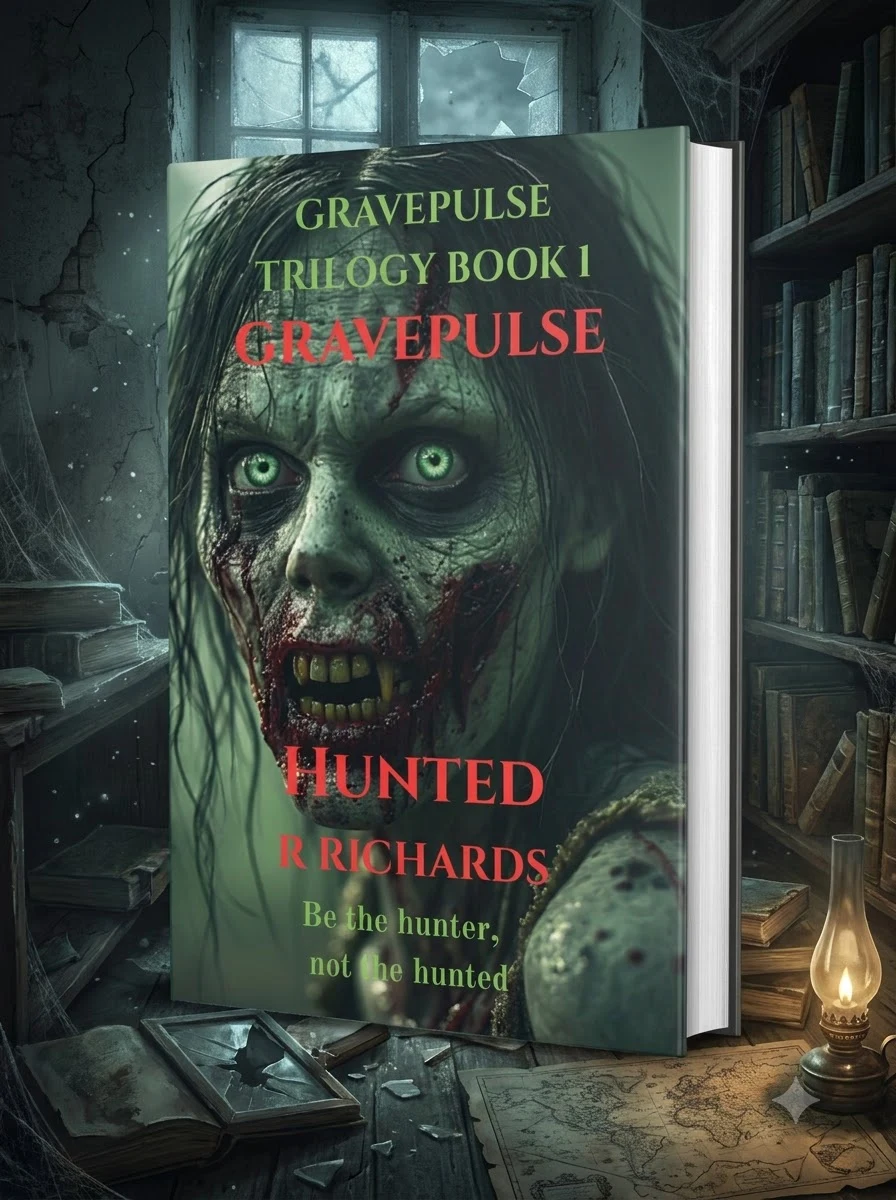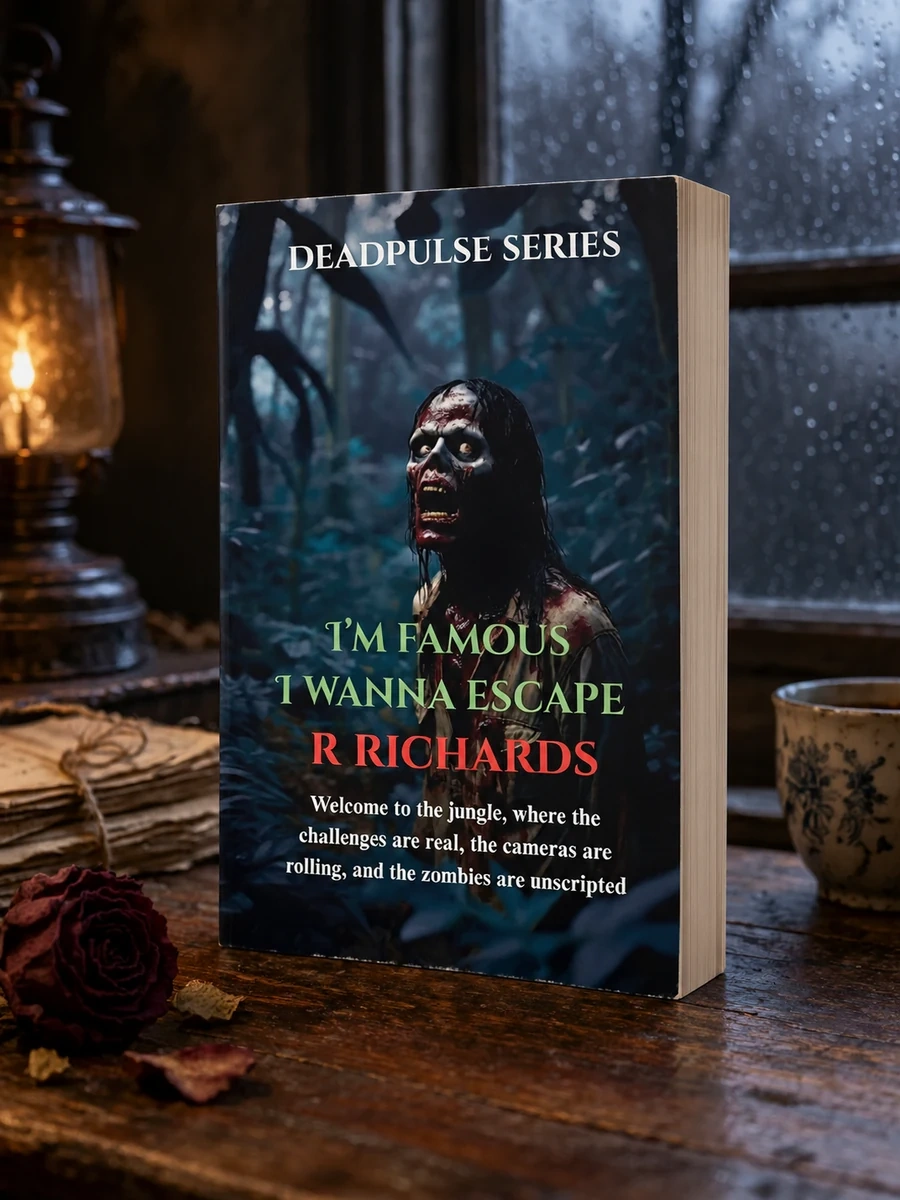
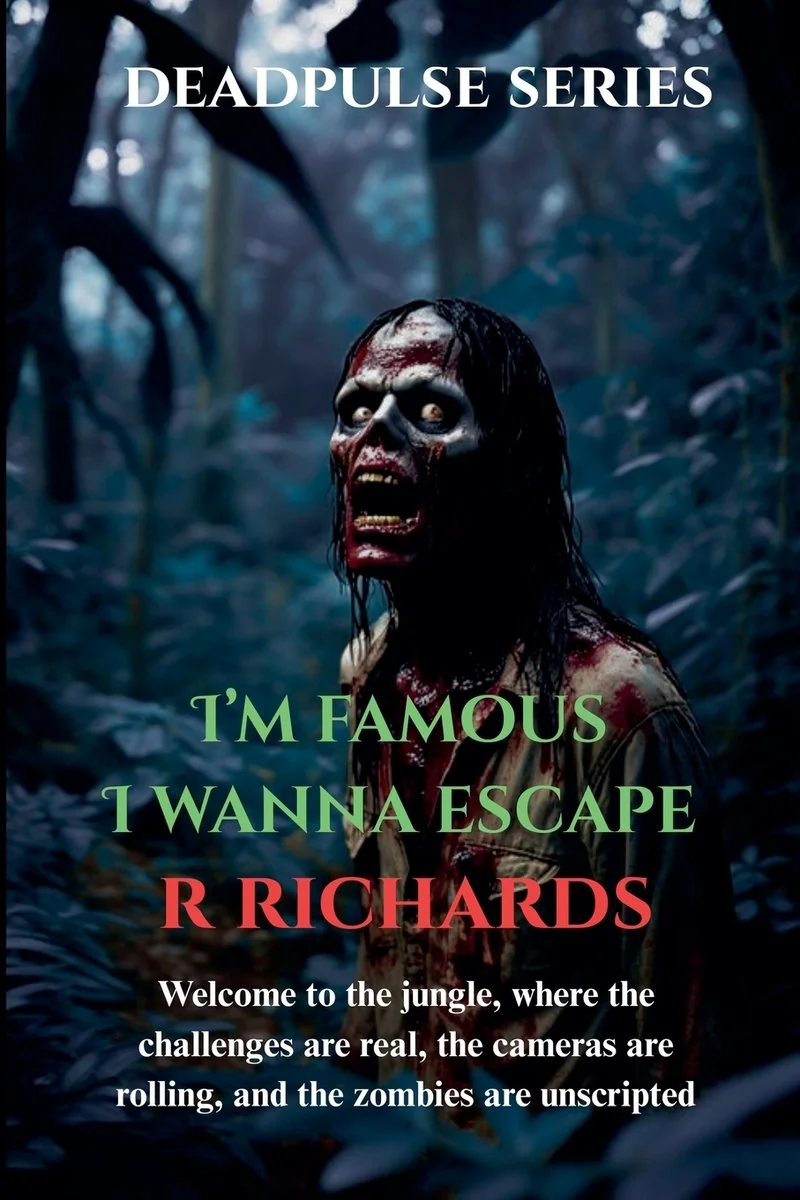
I'm Famous, I wanna escape
A skeptical YouTuber leads influencers against zombies in a reality show gone wrong.
The narrative follows Milo Moon as he navigates a zombie apocalypse within the confines of a sealed jungle camp. The plot revolves around the intersection of survival mechanics and social media metrics. Audience votes control essential infrastructure, forcing participants to prioritize content over safety. Moon must secure fuel and locate a potential plane while managing a group of self-absorbed celebrities. The story critiques the obsession with digital presence during catastrophic events.
This work sits at the intersection of contemporary internet culture and classic horror genres. It reflects modern anxieties about content creation and celebrity status. The setting utilizes a jungle environment typical of reality TV formats to heighten the isolation and absurdity of the situation.


📝 Description: I'm Famous, I wanna escape
💎 Our verdict on I'm Famous, I wanna escape
📖 Why choose it
Why this book is worth reading
Readers who appreciate dark comedy and social satire will find this title particularly engaging. It offers a sharp critique of influencer culture by juxtaposing the triviality of online fame against the visceral threat of a zombie apocalypse. The narrative appeals to those interested in how media consumption persists even during catastrophic events, providing a humorous yet pointed look at the absurdity of prioritizing content creation over genuine survival. Fans of reality television tropes and internet subculture will enjoy the exploration of audience-driven mechanics influencing life-or-death decisions. It is an ideal choice for audiences seeking horror that does not take itself too seriously, offering entertainment through irony rather than dread.
⭐ Reader reviews
Reader rating
R Richards delivers a clever satirical horror narrative that effectively blends survival tropes with sharp commentary on digital obsession. The premise of an electric fence powered by audience votes creates a unique tension, highlighting the absurdity of maintaining social media presence during an apocalypse. While the tone is lighter than traditional serious horror, it succeeds in critiquing the self-absorption of modern celebrity culture. The story works best for readers who enjoy dark comedy mixed with supernatural threats, as those seeking unironic terror may find the approach too flippant. It is a witty examination of how media consumption endures even when the world ends.