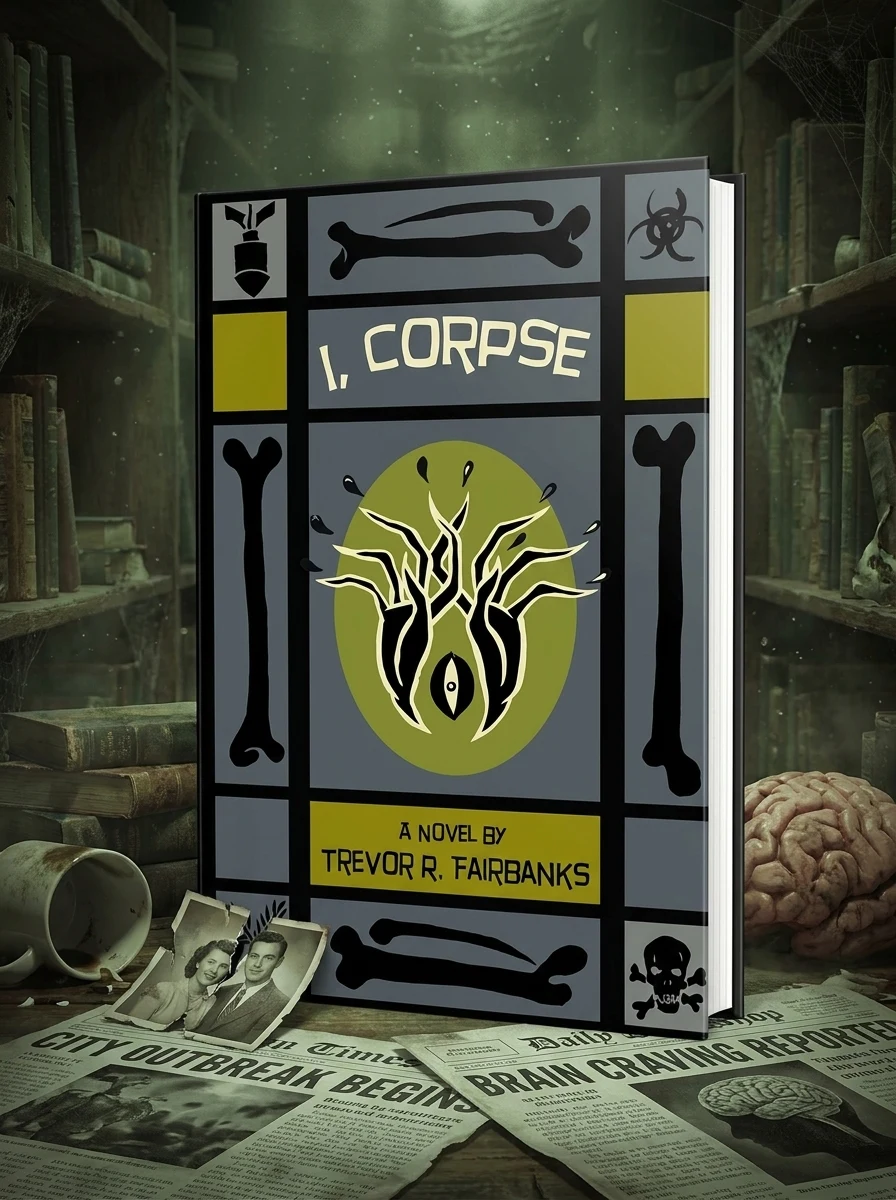
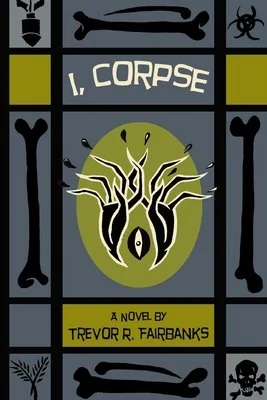
I, Corpse
A man dies and slowly turns into a zombie while his life falls apart.
Kevin Carvin suffers through betrayal and workplace animosity before dying. His death triggers a physical transformation marked by rotting flesh and a craving for brains. This personal horror expands into a wider apocalypse. The story highlights the slow, inevitable nature of the change. Chatem uses this premise to explore the intersection of social failure and supernatural punishment. The narrative does not shy away from the grotesque details of decay. It presents a clear cause-and-effect relationship between Kevin’s life and his undead state. The text avoids complex metaphors in favor of direct description. This approach creates a stark, unadorned view of the zombie genre.
Paul Chatem published this work through Createspace Independent Publishing Platform in 2014. The book falls within the contemporary independent horror market. It engages with established tropes of the undead genre popular in American fiction.


📝 Description: I, Corpse
💎 Our verdict on I, Corpse
📖 Why choose it
Why this book is worth reading
This book suits readers who enjoy straightforward tales of undead reanimation and social collapse without unnecessary complexity. It appeals to those interested in the intersection of social failure and supernatural punishment, offering a stark view of the genre. The narrative focuses on the visceral reality of becoming a corpse, providing a direct description of decay rather than intricate plot twists or deep character development. Readers seeking detailed medical explanations or historical context will find little here, but fans of grotesque details and inevitable physical transformation will appreciate the unadorned approach to the horror of rotting flesh and developing hunger.
⭐ Reader reviews
Reader rating
Chatem constructs a scenario grounded in Kevin Carvin’s experience as he transitions from a disgraced employee to a monster. The text emphasizes the gradual nature of change, describing the rotting body and specific craving for human brains with directness. It avoids complex lore or extensive world-building beyond the immediate threat, creating a clear cause-and-effect relationship between life failures and undead state. This approach yields a stark, unadorned view of the zombie genre. While it may disappoint those seeking deep character development, it effectively delivers on the promise of personal horror expanding into wider apocalypse through visceral, unflinching description.