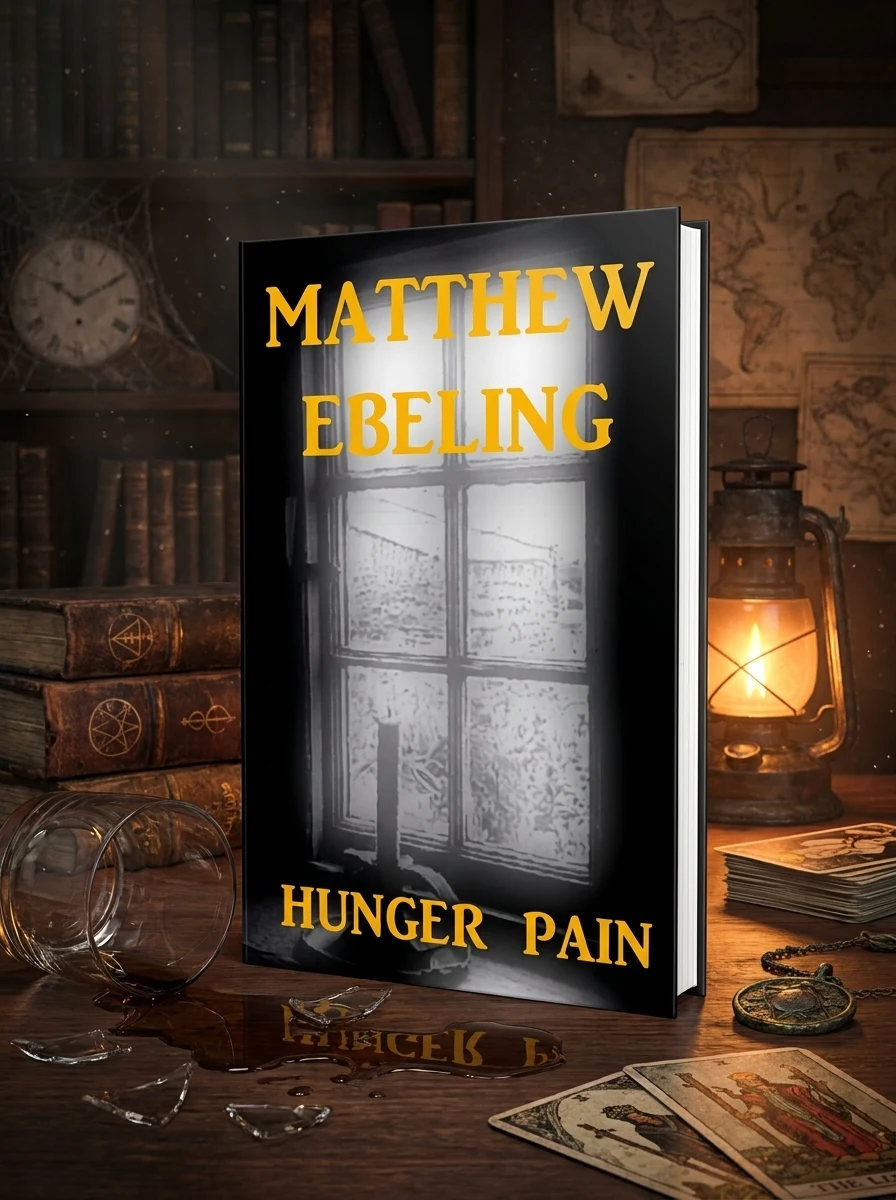
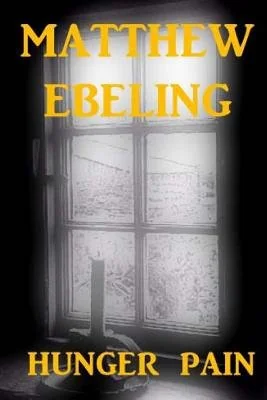
Hunger Pain
A man hunts his past to stop a curse destroying his family.
Ebeling constructs a tale centered on Marcus, whose life unravels after a night out with his best friend. The core conflict arises from his inability to distinguish reality from hallucination due to overwhelming anger. He suspects a vengeful curse targeting him and his childhood friends is the cause. The plot drives forward as he attempts to trace these friends before it is too late. The narrative emphasizes the psychological toll of this uncertainty on his family's safety. It explores the theme of unresolved history haunting the present. The story does not provide immediate answers about the nature of the curse. It focuses on the desperate race against time and Marcus's fading grip on sanity.
This work sits within the American independent publishing landscape, specifically the horror and supernatural fiction genres. It engages with gothic literary traditions that focus on ancestral guilt and psychological terror. The narrative reflects contemporary interests in mental health and the blurring lines between internal trauma and external supernatural threats.


📝 Description: Hunger Pain
💎 Our verdict on Hunger Pain
📖 Why choose it
Why this book is worth reading
Readers who enjoy stories about fractured identities and familial dread will find this work suitable for its intense exploration of mental instability. The narrative emphasizes the psychological toll of uncertainty, offering a claustrophobic atmosphere that mirrors the protagonist's deteriorating sanity. It appeals to those interested in how past actions ripple into the present, creating a lingering sense of dread rather than providing easy explanations. Those seeking lighthearted entertainment or clear resolutions may find the ambiguity unsettling, but fans of dark fantasy and true crime adjacent psychological tension will appreciate the desperate race against time and the focus on the internal struggle as much as the external search for answers.
⭐ Reader reviews
Reader rating
Ebeling constructs a tense narrative where the boundary between reality and hallucination blurs under the weight of overwhelming anger. The book excels in creating a claustrophobic atmosphere that mirrors Marcus's deteriorating mental state, effectively drawing on gothic traditions of supernatural retribution. It suits readers who appreciate psychological horror over visceral gore, focusing on the terror of losing one's grip on sanity. While the ambiguity may frustrate those seeking clear resolutions, it successfully generates a lingering question about ancestral grievances. The work is best for audiences comfortable with dark fantasy and unresolved trauma, offering a chilling examination of how past sins destroy the present without resorting to simplistic answers or comforting endings.
📖 Read on the blog
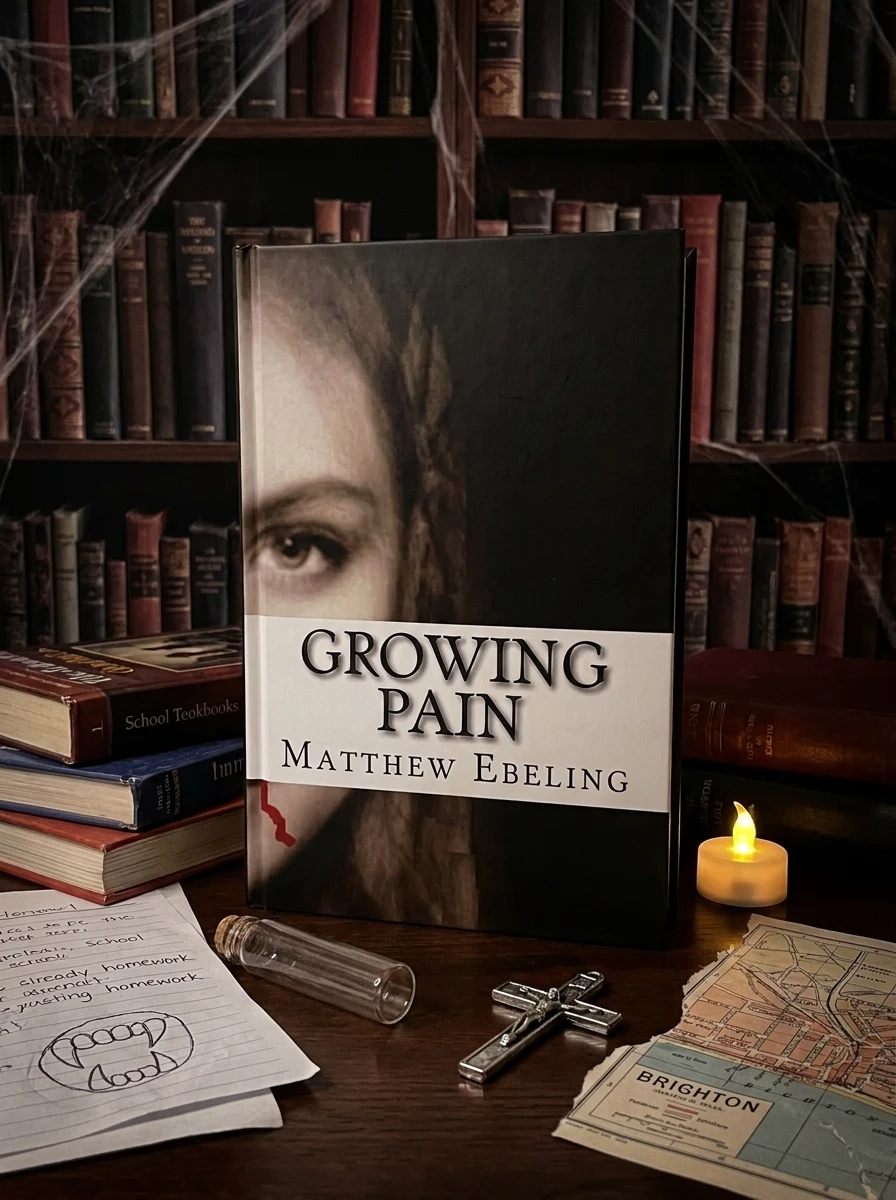
✍️ More books by this author Matthew Ebeling


🏛 Books from this publisher Createspace Independent Publishing Platform






You might also like
See more →
Have a question about this item?
Ask about the edition, condition, delivery or anything else — we reply by email or phone, usually within a day.
