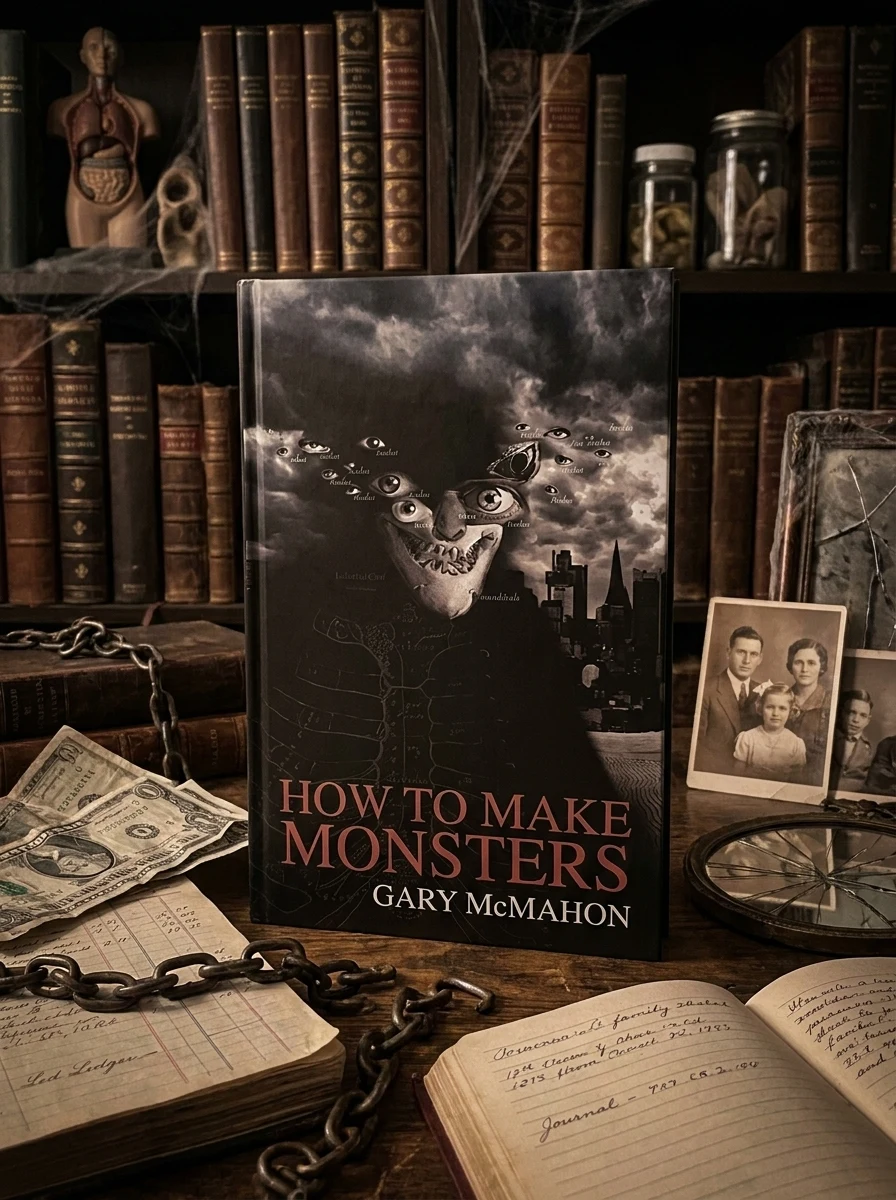
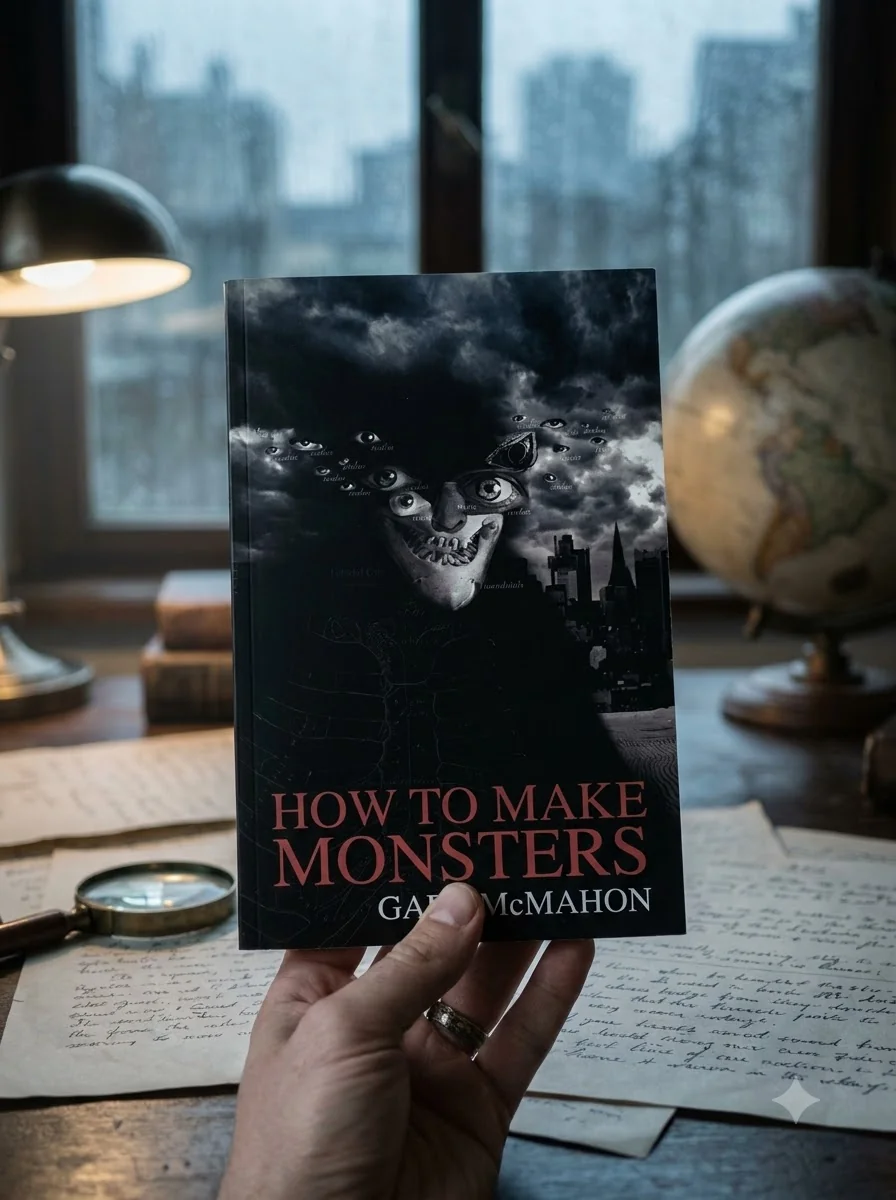
How to Make Monsters
A conceptual guide to understanding how humans create their own terrors.
Strantzas posits that all horror stems from internal sources rather than external threats. He examines how desire and debt shape our nightmares. The book analyzes the ghosts of self and the things between the cracks in society. It connects personal regret to broader cultural fears like racism and corruption. The author suggests that family ties and rejection are key ingredients in monster making. This perspective challenges readers to look inward for the source of their dread. The work is not a collection of stories but an examination of fear's architecture. It asks if we can identify the parts that make up our personal demons. The text implies that paying the price for these constructions is inevitable. Readers will find a stark, unflinching look at the origins of horror in human behavior.
Published by Morrigan in 2010, this work sits within the tradition of gothic and supernatural fiction. It reflects a period where horror literature began focusing more on psychological and societal terrors rather than external threats. The book addresses American anxieties about capitalism and corruption, linking them to timeless fears of rejection and regret.


📝 Description: How to Make Monsters
💎 Our verdict on How to Make Monsters
📖 Why choose it
Why this book is worth reading
This book is essential for readers who crave a stark, unflinching examination of the origins of horror in human behavior rather than simple entertainment. It appeals to those interested in psychological horror and the literary analysis of fear, offering a conceptual framework that connects personal regret to broader cultural terrors like racism and corruption. By arguing that monsters are internal constructs born from societal failings, it challenges readers to confront their own darkness. Those seeking to understand how desire and debt shape nightmares will find profound value here. It is not for fans of traditional jump scares or monster hunting narratives, but for those willing to pay the price of self-reflection and identify the component parts of their own demons through a cohesive argument about the nature of evil.
⭐ Reader reviews
Reader rating
Strantzas delivers a compelling conceptual framework that redefines horror as an internal construct rather than an external threat. The text excels in its rigorous analysis of how capitalism, corruption, and debt generate collective terrors, effectively linking ancient fears to modern anxieties. By exploring the ghosts of self, regret, and family ties, it offers a unique perspective on the architecture of dread that feels both academic and viscerally terrifying. This approach suits readers deeply interested in psychological horror and the literary deconstruction of fear. However, those expecting traditional narrative thrills or straightforward monster hunting may find the tone too analytical and detached. The work remains grounded in reality, presenting a stark look at human behavior that demands intellectual engagement alongside emotional confrontation.
📖 Read on the blog
✍️ More books by this author Simon Strantzas


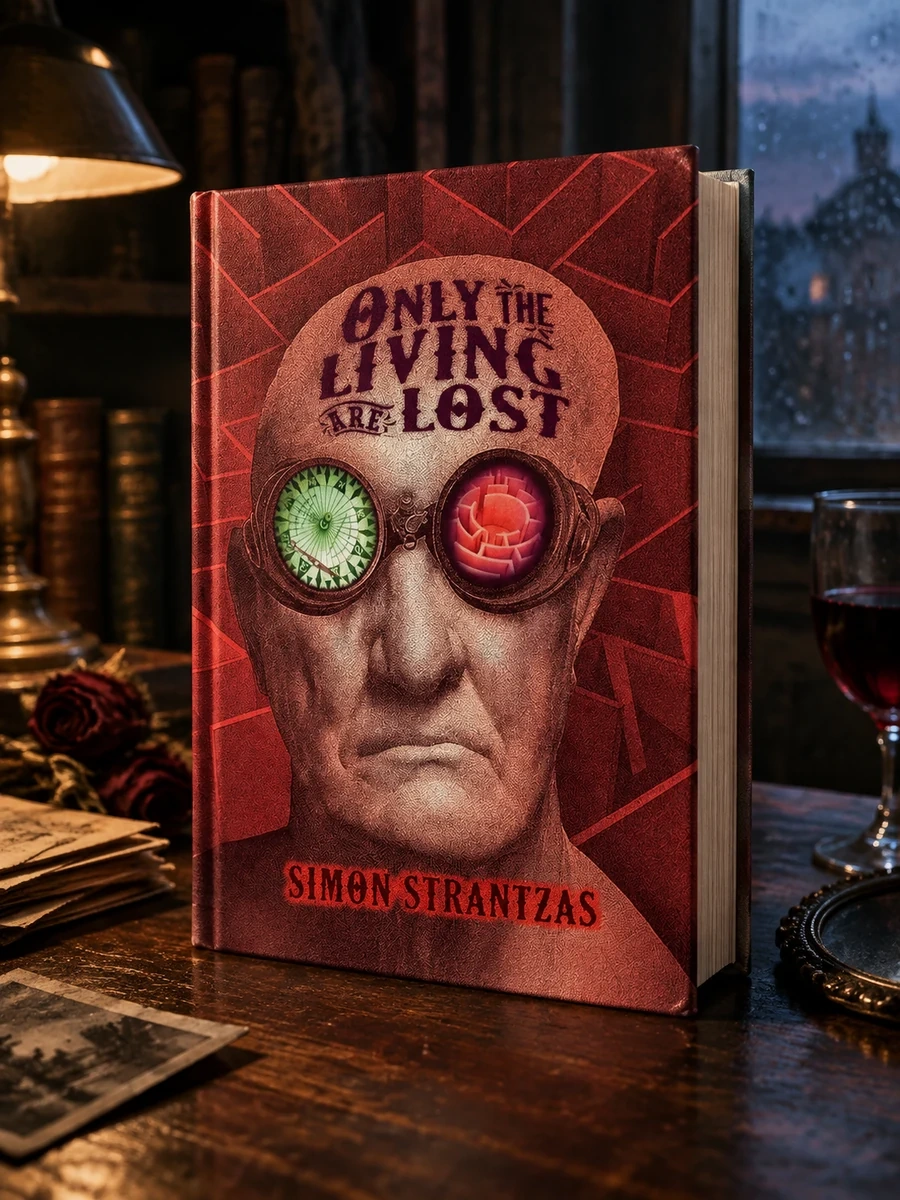
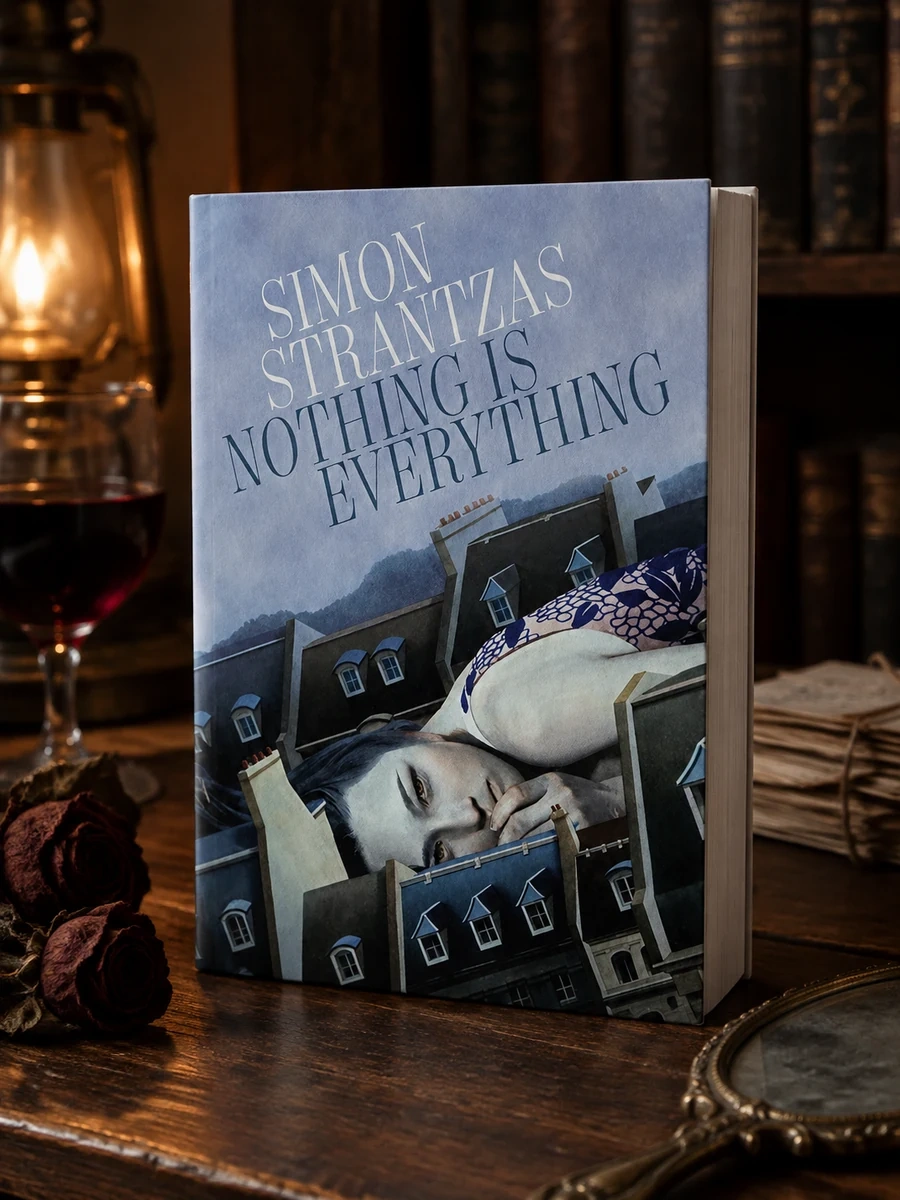
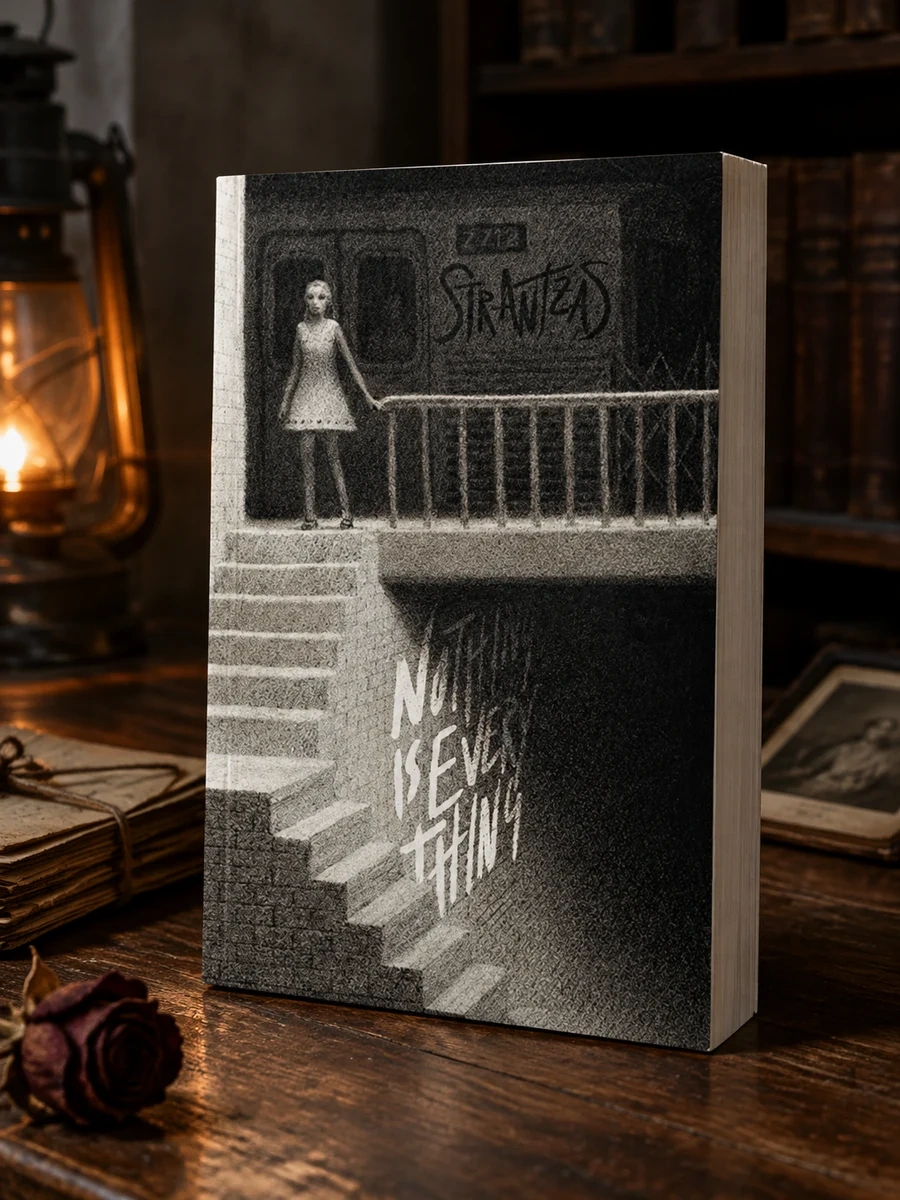
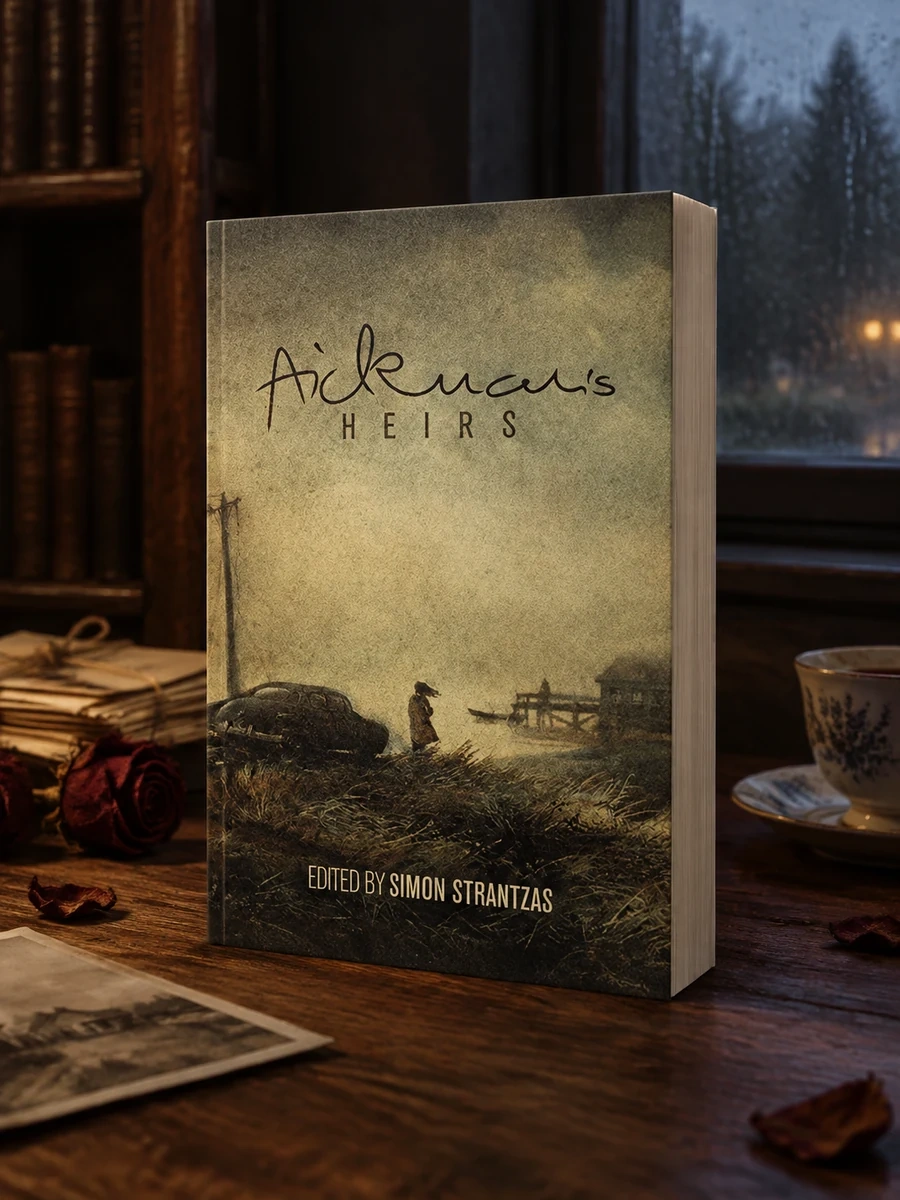
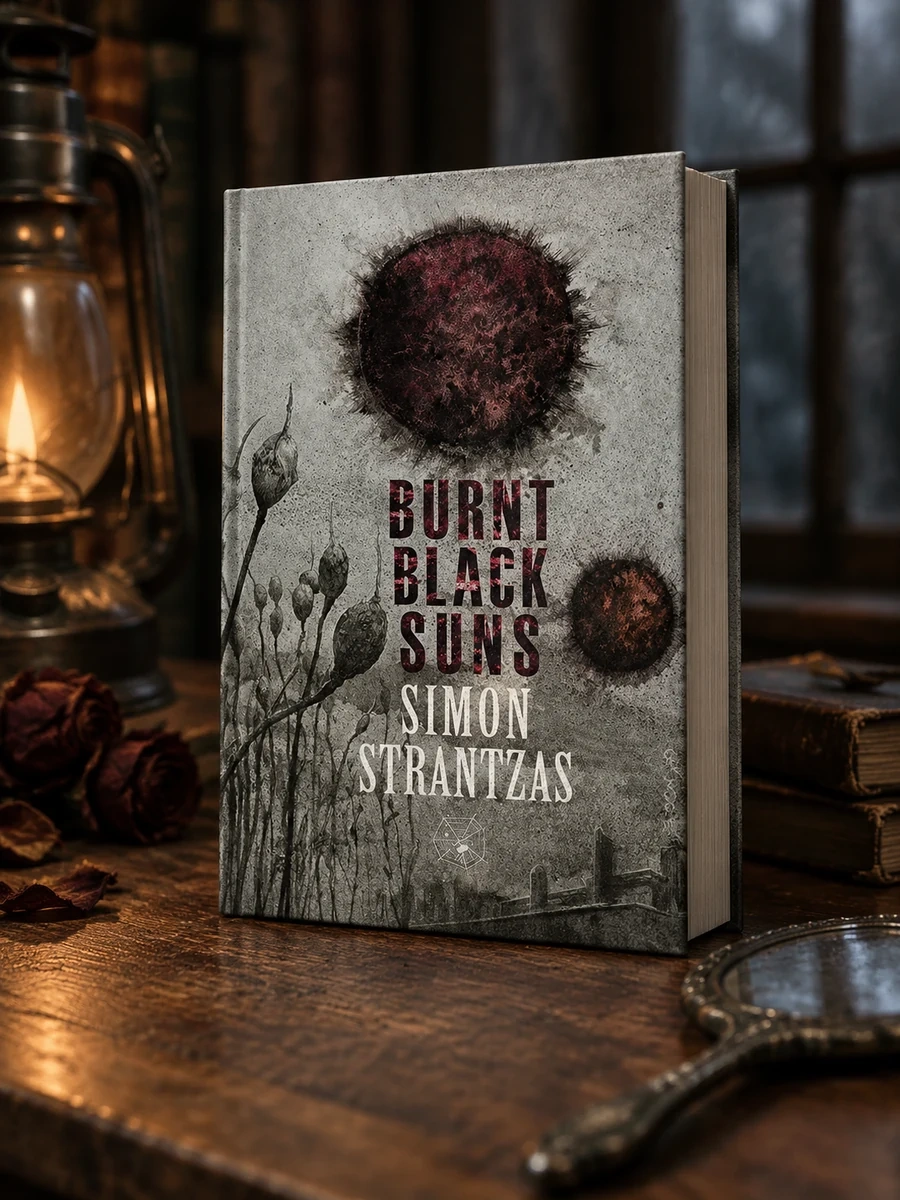
🏛 Books from this publisher Morrigan
You might also like
See more →



Have a question about this item?
Ask about the edition, condition, delivery or anything else — we reply by email or phone, usually within a day.
