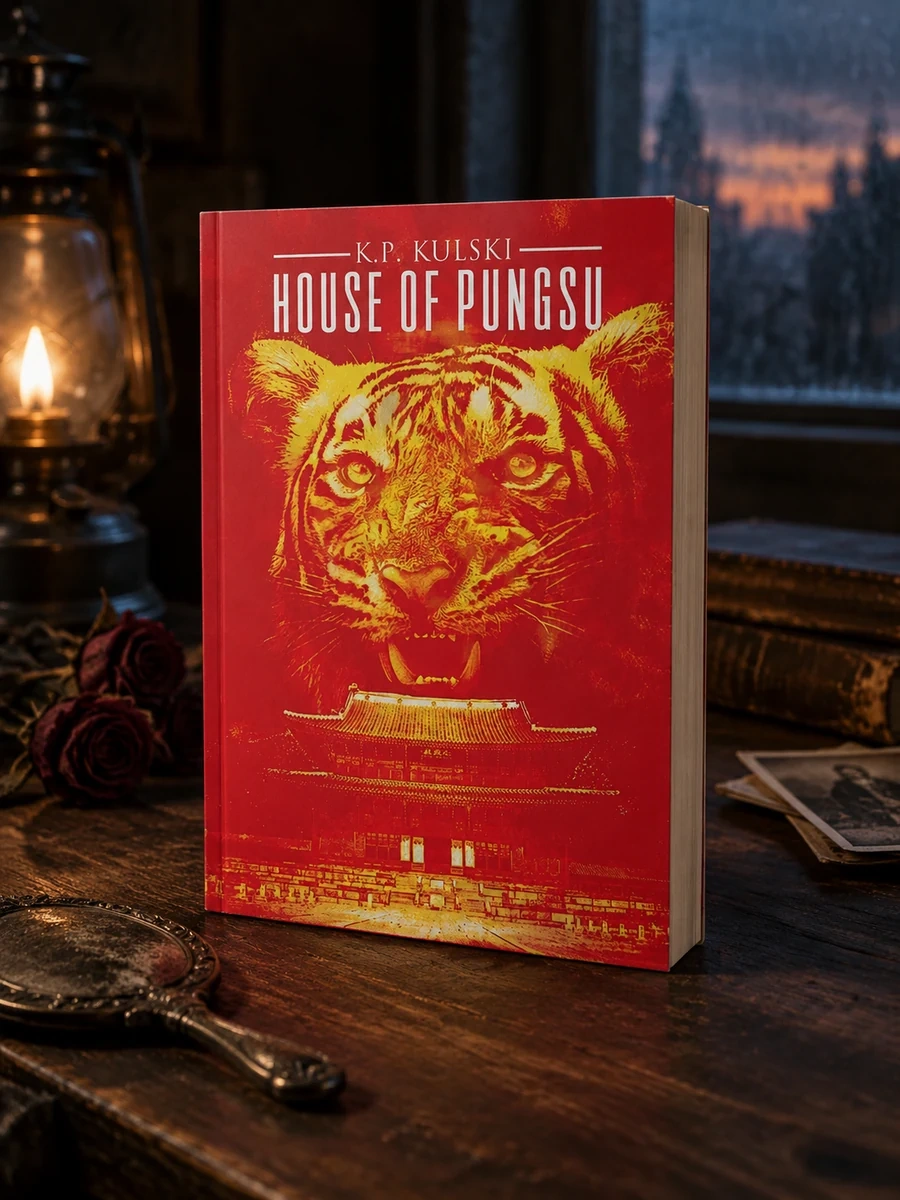

House of Pungsu
A feminist horror retelling of A Tiger's Whisker set in an eternal Joseon palace.
The narrative follows a daughter whose coming-of-age is interrupted by terrifying visions. These dreams push her to question the isolation of her grandmother and the secrets kept within the palace walls. Kulski uses the source material to critique the erasure of women's voices. The plot moves through the physical spaces of the home, treating each locked room as a barrier to truth. This approach creates a slow-burn tension that prioritizes psychological depth over gore. The story remains focused on the internal lives of its female characters rather than external monsters.
The work is rooted in Joseon-era history and Korean folklore. It adapts the specific tale A Tiger's Whisker to examine traditional family structures. The setting is a palace complex that exists outside normal time, reflecting the enduring nature of these cultural pressures on women across generations.


📝 Description: House of Pungsu
💎 Our verdict on House of Pungsu
📖 Why choose it
Why this book is worth reading
Readers seeking historical horror grounded in specific cultural traditions will find significant value here. The book suits those interested in gothic atmospheres and supernatural fiction that challenges traditional gender roles. It appeals to audiences who appreciate slow-burn tension prioritizing psychological depth over gore. Those focused on the internal lives of female characters will resonate with this feminist meditation on identity. It is ideal for readers comfortable with period drama rather than modern settings. The narrative offers a stark look at confinement and awakening without easy answers. Fans of cosmic or psychological horror might appreciate the unique cultural framework. It serves as a compelling study of inherited female experiences within restrictive structures.
⭐ Reader reviews
Reader rating
Kulski crafts a haunting meditation on female identity within the decaying Joseon palace, utilizing the folk tale A Tiger's Whisker as a structural foundation. The narrative excels in building slow-burn tension through physical spaces, treating locked rooms as barriers to truth. By focusing on three generations of women, the text critiques the erasure of women's voices while exploring psychological weight over external monsters. The atmospheric gothic tone is maintained throughout, prioritizing internal struggle against domestic confinement. This approach creates a chilling effect derived from isolation rather than visceral gore. It suits readers who prefer character-driven horror with historical depth. The work stands as a rigorous examination of awakening within restrictive systems.
📖 Read on the blog
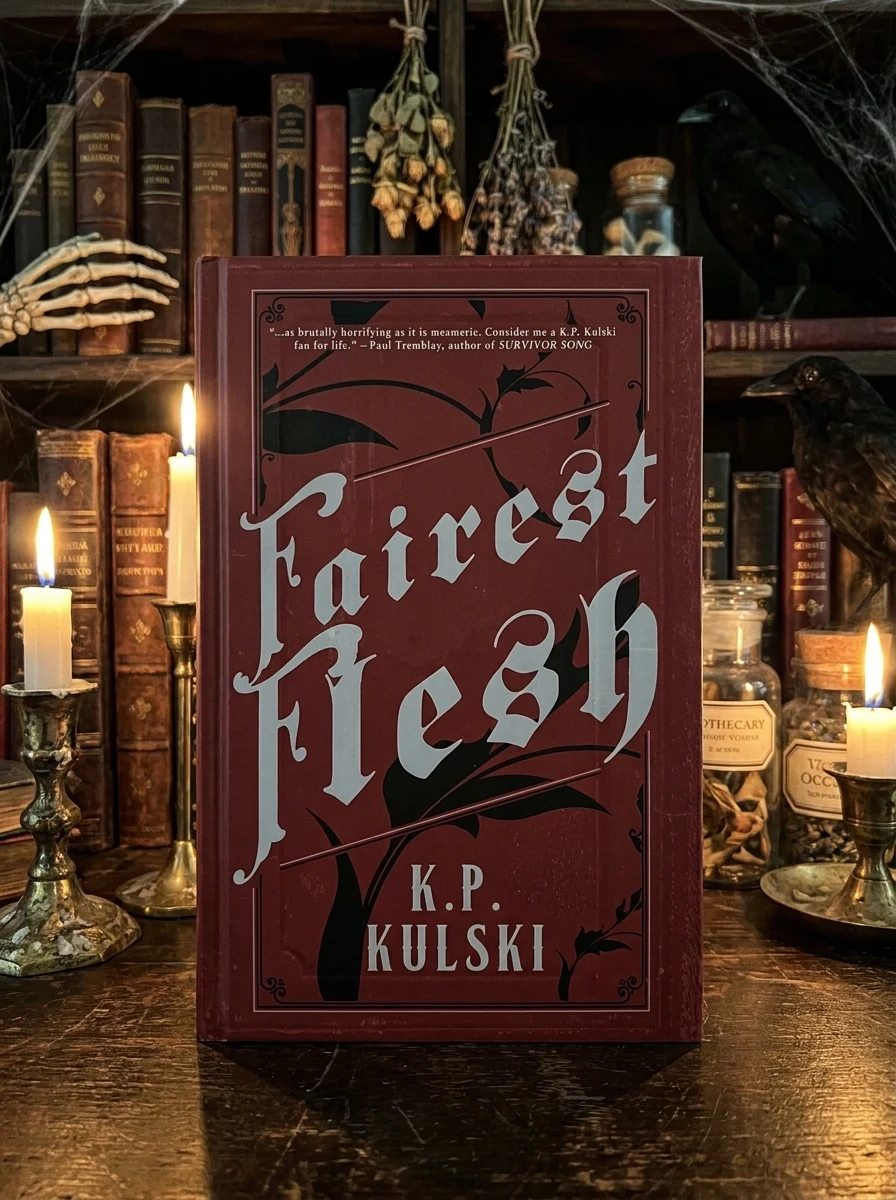
✍️ More books by this author K P Kulski



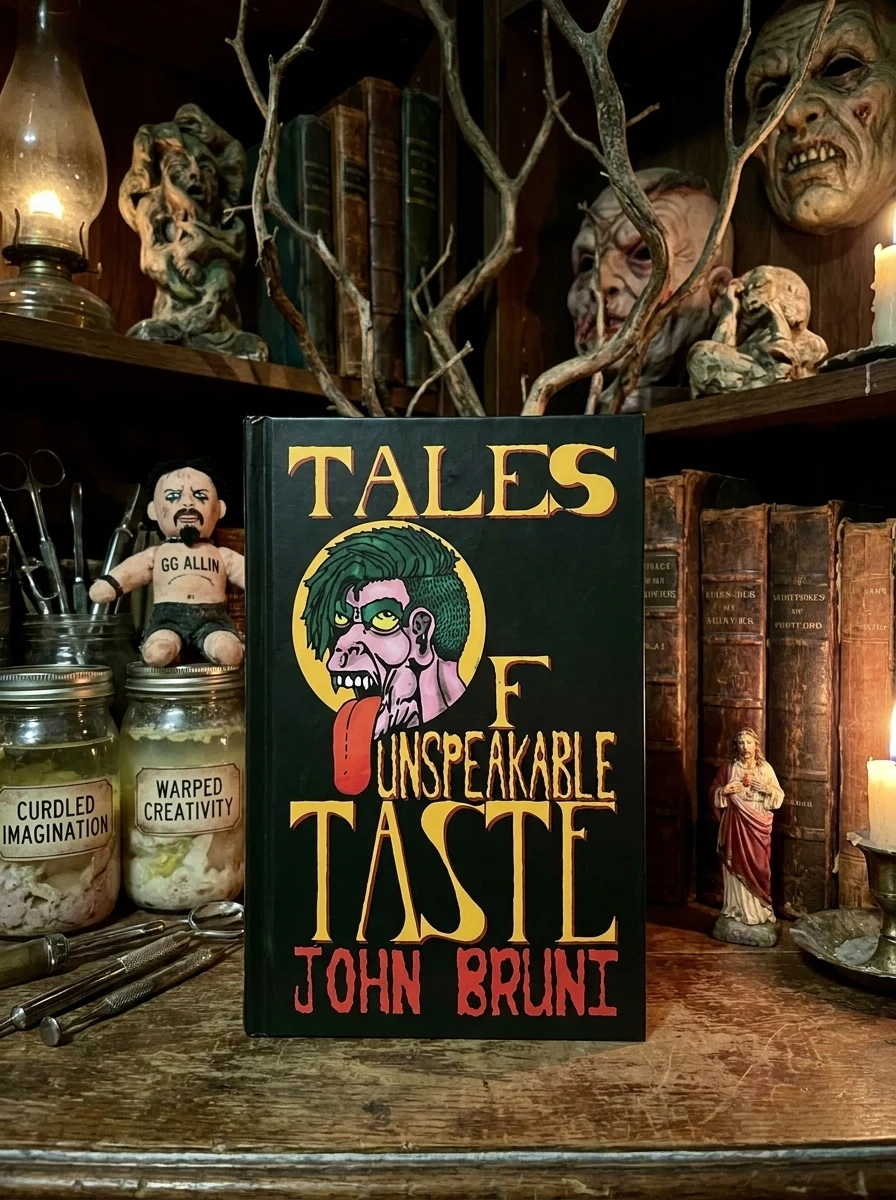
🏛 Books from this publisher Bizarro Pulp Press





You might also like
See more →

Have a question about this item?
Ask about the edition, condition, delivery or anything else — we reply by email or phone, usually within a day.
