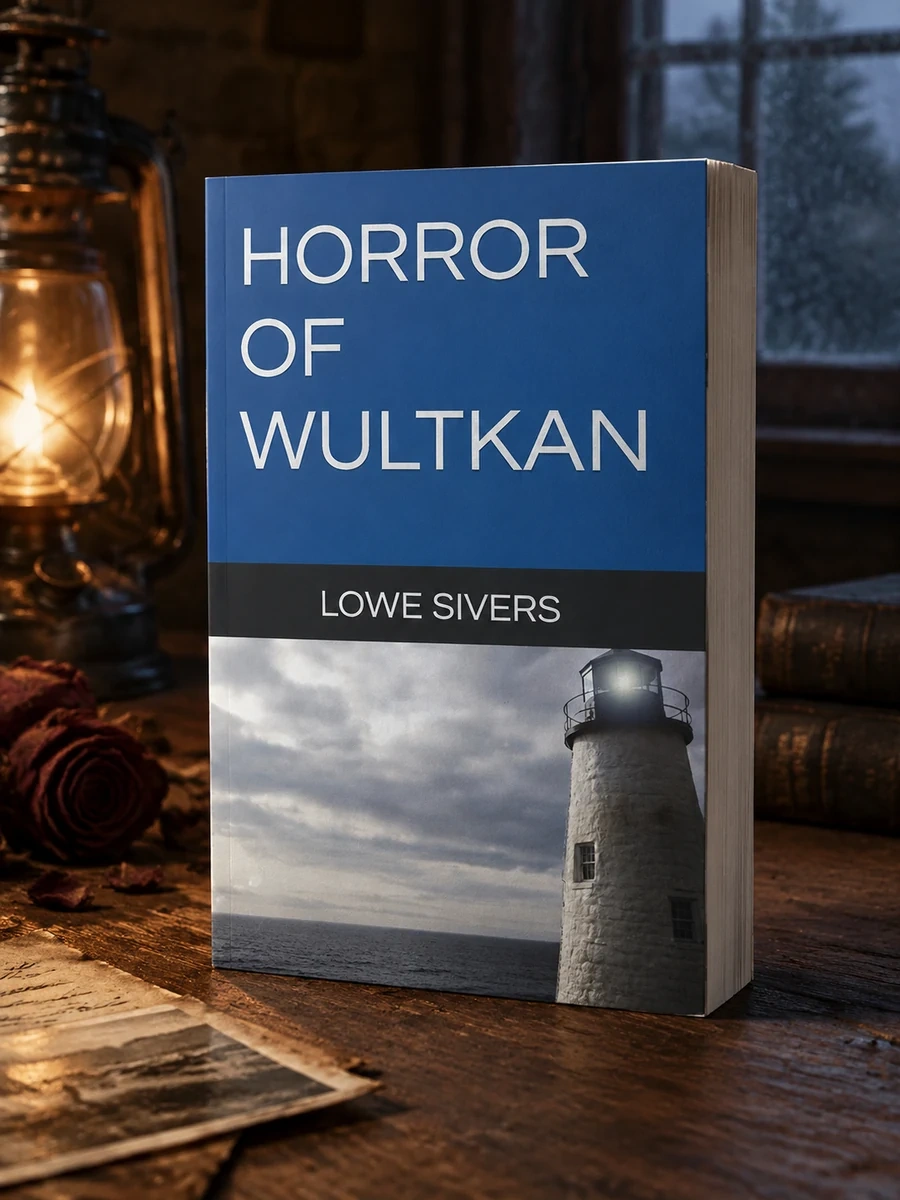
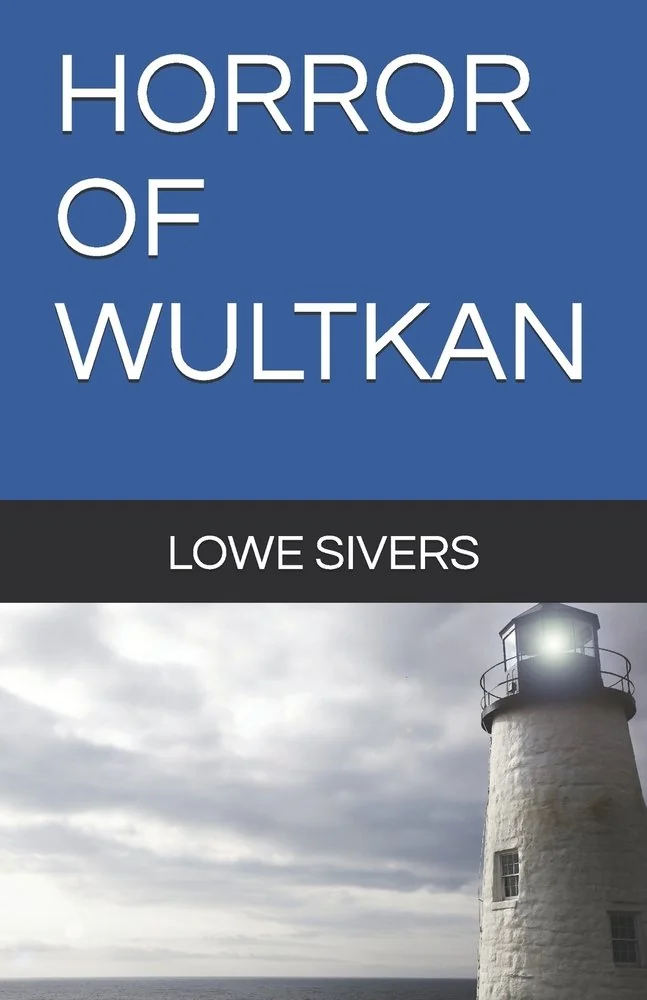
Horror of Wultkan
Steampunk horror where mechanical ingenuity collides with ancient fears.
This book unites intense horror with complex steampunk environments. It highlights the grim aspects of industrial growth, creating a feeling that is both confining and wide-ranging. The plot avoids sudden frights in favor of gradual anxiety. This tension develops through the subject matter itself, allowing fear to enter the mechanical world slowly. Such a method offers a special experience for gothic fans interested in fictional pasts rather than real history. The accessible format draws readers into a society where dread is part of the structure. It targets those who want stories where engineering meets primal fear.
The book sits within the intersection of horror and steampunk science fiction, drawing on traditions of gothic fiction. It is rooted in an imagined history rather than a specific era, appealing to readers who enjoy genre blending where the uncanny meets the technological.


📝 Description: Horror of Wultkan
💎 Our verdict on Horror of Wultkan
📖 Why choose it
Why this book is worth reading
Readers who appreciate the slow, creeping tension of gothic literature will find this title compelling for its unique fusion of industrial gloom and supernatural terror. It is ideal for those who enjoy steampunk settings but prefer psychological dread over action-packed narratives. The book offers a distinct experience for fans of cosmic horror who want to see their fear rooted in mechanical structures rather than outer space. By avoiding sudden shocks, it rewards patience with a deeply atmospheric immersion into a society where anxiety is structural. Those interested in the grim aspects of industrial growth and the collision of engineering with ancient fears will gain much from its detailed world-building and mood.
⭐ Reader reviews
Reader rating
Sivers delivers a potent blend of steampunk mechanics and gothic horror, creating an atmosphere that feels both confining and vast. The narrative eschews cheap jumpscares for a more sophisticated gradual anxiety, allowing dread to permeate the technological setting slowly. This approach suits readers who prefer fictional histories over real-world accuracy and enjoy complex, dense environments. While those seeking quick action or standard historical backgrounds may find the pace too deliberate, enthusiasts of industrial aesthetics and psychological terror will value the intricate world-building. The book successfully links tech with terror, offering a unique reading experience for fans of dark fantasy and true crime who appreciate a slower, more immersive build-up of fear.
📖 Read on the blog
🏛 Books from this publisher Independently Published








You might also like
See more →

Have a question about this item?
Ask about the edition, condition, delivery or anything else — we reply by email or phone, usually within a day.
