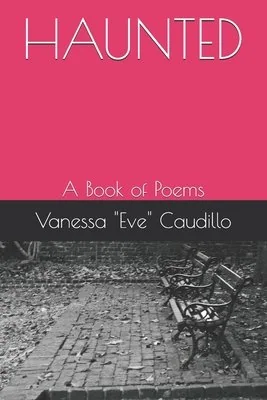
Haunted: A Book of Poems
Vanessa Eve Caudillo explores haunting memories through visceral, dark poetry.
This volume functions as an intimate look at psychological endurance. Caudillo uses poetic forms to articulate the persistence of pain. The work draws on gothic traditions by focusing on the supernatural aspects of grief. It does not offer resolution but rather immersion in the feeling of being haunted. The language is direct and often unsettling. It avoids romanticizing suffering while acknowledging its presence. Fans of horror literature will find familiar ground in these verses. The collection operates as a mirror for those who recognize their own struggles in Eve's journey.
Published independently in 2020, this work sits within the contemporary landscape of self-published horror and gothic poetry. It reflects a modern approach to supernatural fiction by focusing on internal psychological states rather than external monsters. The release date places it in a period where digital publishing allowed for niche voices to reach readers directly without traditional gatekeepers.


📝 Description: Haunted: A Book of Poems
💎 Our verdict on Haunted: A Book of Poems
📖 Why choose it
Why this book is worth reading
Readers who appreciate the lingering weight of gothic horror and the raw intensity of psychological endurance will find this collection deeply resonant. It is ideal for those who prefer immersive, unsettling atmospheres over light comfort or straightforward narratives. The book offers a mirror for individuals recognizing their own struggles with past pains and complicated presents within its verses. Those drawn to visceral language and strange sexual undertones will appreciate the direct engagement with memory and trauma. It serves as a necessary companion for fans of dark poetry who seek to witness terrible things that cannot be unseen, providing a nightmarish world designed to haunt long after the final page.
⭐ Reader reviews
Reader rating
Caudillo delivers a potent examination of emotional weight across time, using poetic forms to articulate the persistence of pain without romanticizing suffering. The collection excels in creating an unsettling atmosphere where memories linger like smoke or rain scent, challenging the senses through direct and visceral imagery. It successfully bridges gothic traditions with modern psychological horror, focusing on the supernatural aspects of grief rather than offering resolution. This volume is best suited for readers who enjoy dark poetry and supernatural fiction that demands immersion in discomfort. While it may feel too heavy for those seeking lightness, it stands as a powerful testament to the lingering nature of trauma, appealing specifically to fans of intense, atmospheric horror literature.