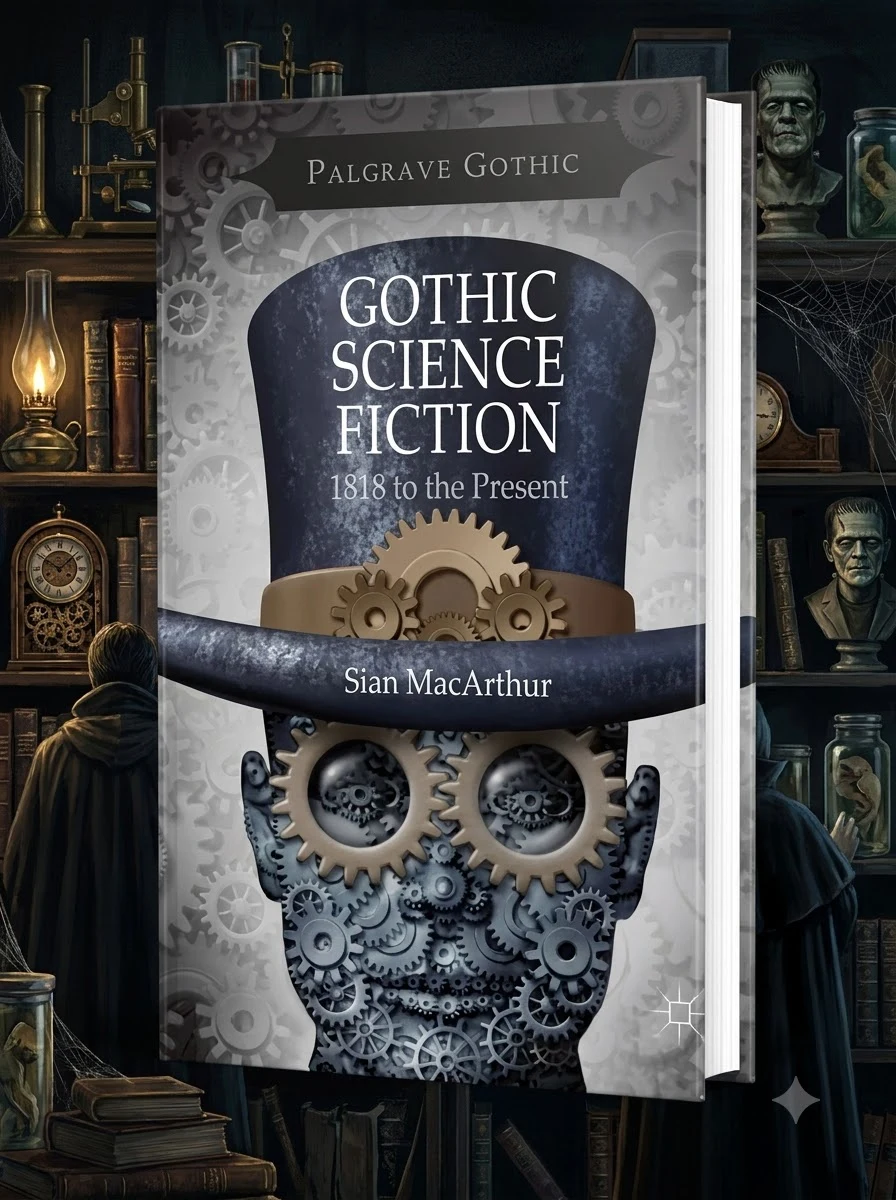
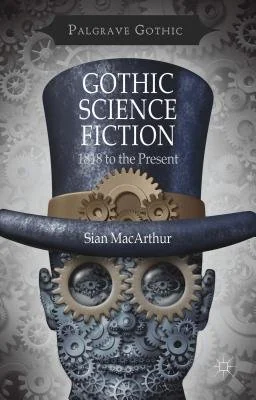
Gothic Science Fiction: 1818 to the Present (2015)
A scholarly examination of horror fiction's evolution through a scientific lens.
This text provides a historical overview of how science fiction absorbed gothic elements. MacArthur identifies specific milestones in the genre's growth. The analysis covers major works and creators who defined this space. It highlights the shift toward darker themes as the genre matured. The book serves as a reference for understanding the roots of modern horror.
Published in 2015 by Palgrave MacMillan, this academic work situates itself within literary criticism. It covers the period from 1818 to the present day, focusing on the evolution of a specific subgenre that blends fear with scientific speculation.


📝 Description: Gothic Science Fiction: 1818 to the Present (2015)
💎 Our verdict on Gothic Science Fiction: 1818 to the Present (2015)
📖 Why choose it
Why this book is worth reading
This volume is designed for scholars, students of gothic literature, and readers deeply interested in literary history and genre studies. It provides a structured analysis of how dark themes merge with technological and scientific concepts across different eras. Readers seeking to understand the roots of modern horror through a scientific lens will find value in its chronological exploration of fear and science intertwining over two centuries. While it offers a clear view of this intellectual progression, it is not intended for those seeking fast-paced entertainment. Instead, it serves as a critical reference for understanding the trajectory of hybrid genres and the descent into darker territory as speculative fiction matured.
⭐ Reader reviews
Reader rating
MacArthur delivers a rigorous academic study that effectively traces the intersection of gothic traditions and speculative science. By analyzing key figures like Shelley, Wells, and King, alongside cultural touchstones like Doctor Who, the text demonstrates how scientific anxiety has shaped horror narratives from the nineteenth century to modern times. The chronological organization allows for a clear view of idea progression, making it an invaluable resource for genre studies. While general readers preferring immediate narrative thrills may find the critical examination less engaging, scholars will appreciate its structured approach to understanding the roots of contemporary horror and the enduring link between fear and scientific discovery.
You might also like
See more →




Have a question about this item?
Ask about the edition, condition, delivery or anything else — we reply by email or phone, usually within a day.
