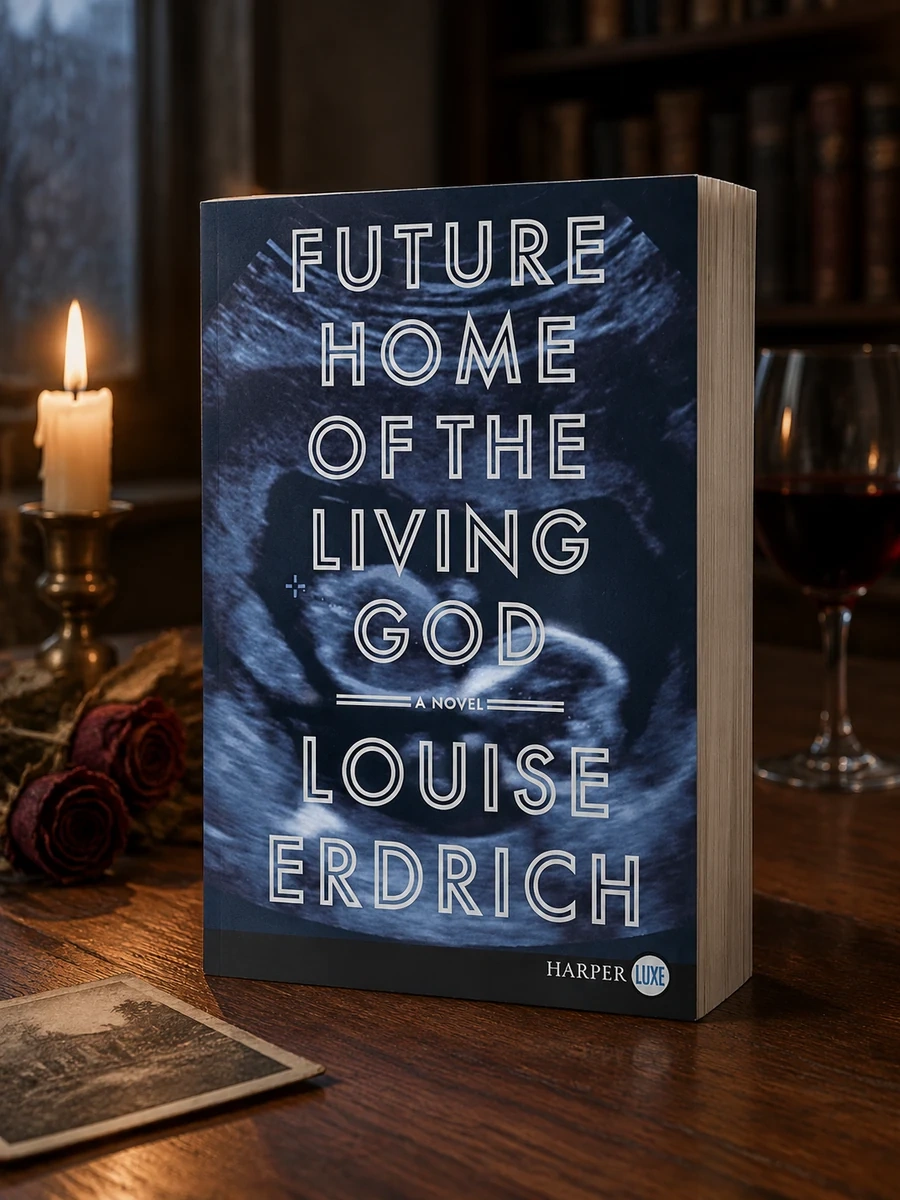

Future Home of the Living God
A pregnant woman flees martial law during a biological reversal of evolution.
Cedar Hawk Songmaker navigates a world where human evolution has reversed, causing widespread fear and governmental crackdowns on expectant mothers. She travels to the reservation to find Mary Potts, her birth mother, while evading authorities offering rewards for capturing pregnant women. The story highlights the vulnerability of bodily autonomy against state power. Erdrich uses this premise to examine how marginalized communities respond to systemic collapse. The narrative does not rely on external monsters but on the terror of institutional betrayal. Readers will find a tight focus on survival and maternal instinct within a rapidly changing environment. The setting remains specific to the reservation and its surrounding regions, avoiding global scope.
The story is set in the United States during a period of societal disintegration. It draws on Ojibwe traditions through the character of Mary Potts and the reservation setting. The narrative reflects contemporary concerns about bodily autonomy and government overreach as they impact Indigenous communities.


📝 Description: Future Home of the Living God
💎 Our verdict on Future Home of the Living God
📖 Why choose it
Why this book is worth reading
Readers seeking speculative fiction that transcends traditional horror tropes will find value in this intimate exploration of survival and maternal instinct under martial law. The narrative appeals to those interested in how marginalized communities navigate institutional betrayal and state violence during societal collapse. It offers a tight focus on the terror of political control rather than abstract philosophical debate, making it suitable for fans of socially charged dystopias. Those who prefer grounded, character-driven stories over detached fantasy worlds will appreciate the emphasis on bodily autonomy and Indigenous experience amidst a rapidly changing environment.
⭐ Reader reviews
Reader rating
Erdrich successfully constructs a tense narrative driven by immediate threats rather than external monsters, grounding its speculative premise in specific Indigenous realities. The text excels in examining the vulnerability of bodily autonomy against state power, creating a deeply personal stake for the protagonist. This approach suits readers interested in social justice themes and political horror. However, those seeking traditional horror elements or global scope may find the localized focus limiting. The prose remains tightly focused on Cedar’s internal experience, ensuring the stakes feel urgent and real. It is a compelling read for those who appreciate the intersection of speculative fiction and systemic critique.
📖 Read on the blog
✍️ More books by this author Louise Erdrich
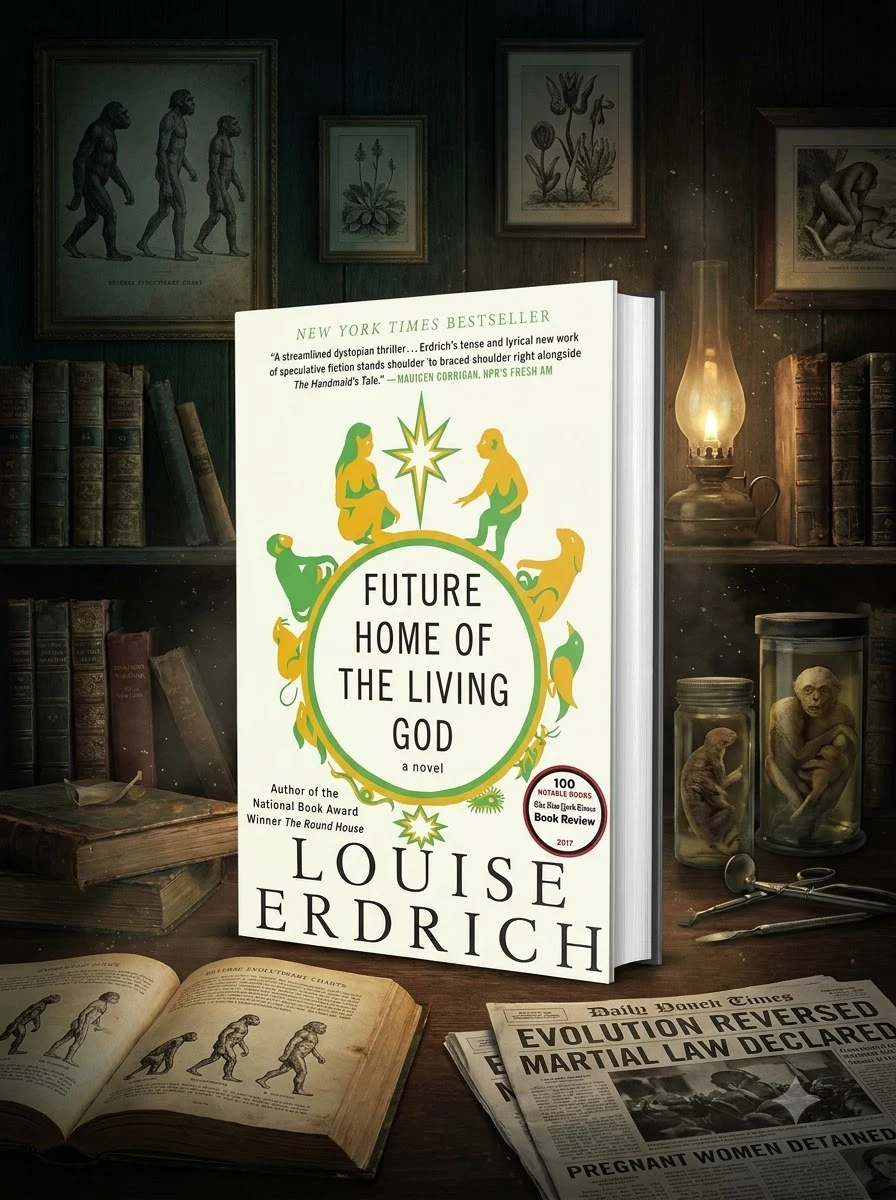


🏛 Books from this publisher William Morrow Large Print




You might also like
See more →




Have a question about this item?
Ask about the edition, condition, delivery or anything else — we reply by email or phone, usually within a day.
