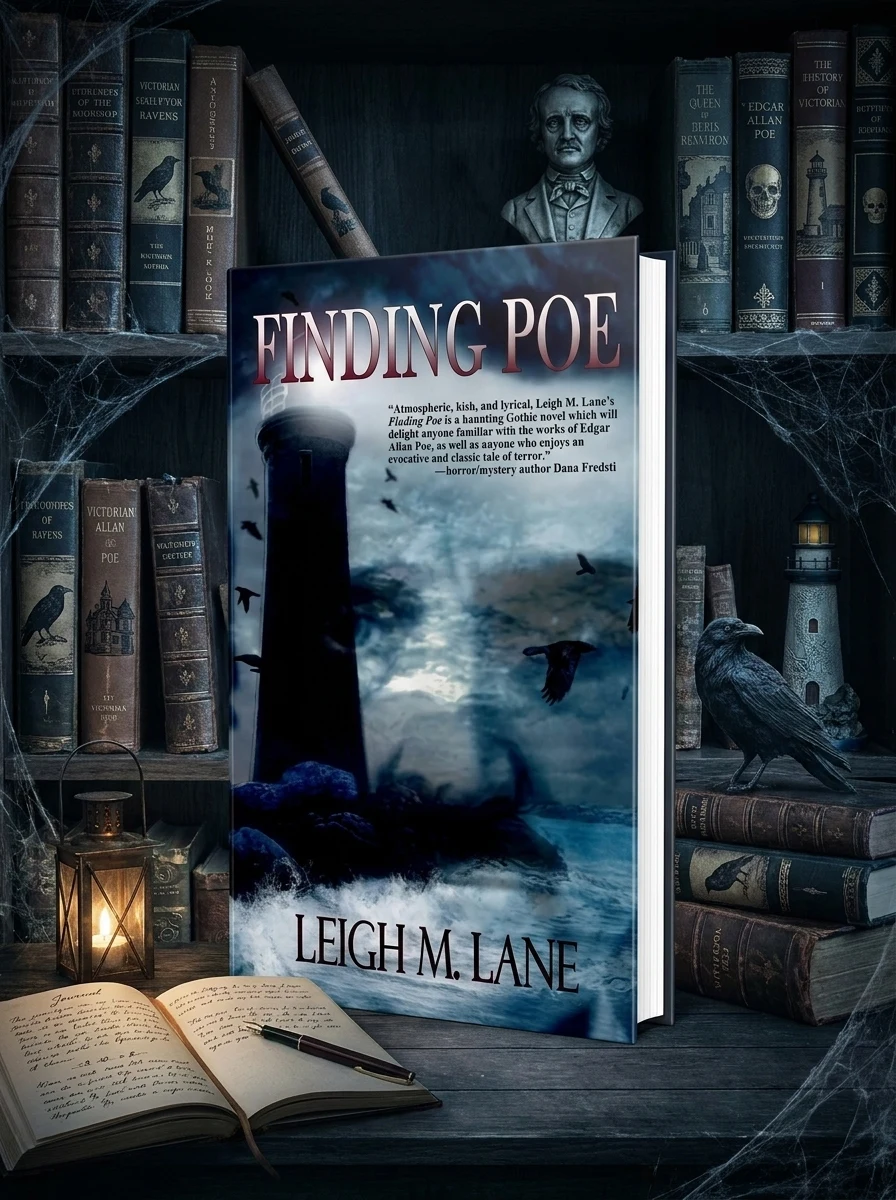
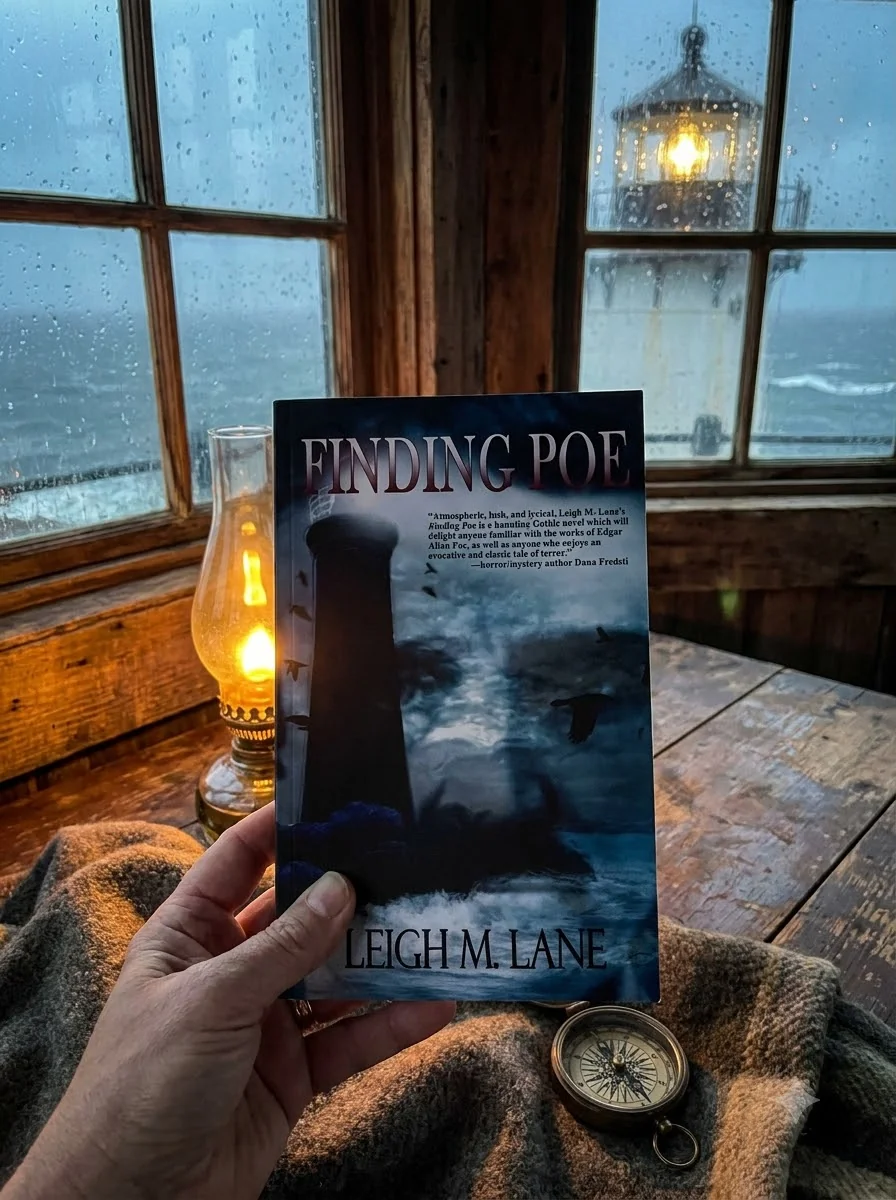
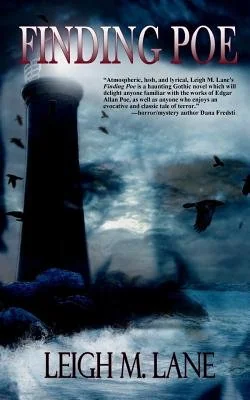
Finding Poe
A widow investigates her husband's death through the lens of Edgar Allan Poe's legacy.
Karina uncovers clues pointing to Poe after her husband dies by suicide. She travels from a New England lighthouse to Baltimore to find answers. The journey merges her waking life with nightmares, challenging her grip on reality. A stranger holds the key to a shocking truth she never anticipated. The narrative focuses on her internal struggle as external events become increasingly surreal.
Published in 2012 by Cerebral Books, this work sits within the tradition of American Gothic fiction. It draws heavily on the legacy of Edgar Allan Poe, a central figure in supernatural literature. The story engages with themes of madness and literary influence prevalent in late nineteenth-century horror.


📝 Description: Finding Poe
💎 Our verdict on Finding Poe
📖 Why choose it
Why this book is worth reading
Readers seeking a dense, atmospheric exploration of grief will find this narrative deeply rewarding. It appeals to those who appreciate the dissolution of reality into nightmare and enjoy puzzles wrapped in sorrow. The book is ideal for fans of psychological horror who value lyrical prose over fast-paced action or modern supernatural tropes. It offers an evocative tale of dread suitable for anyone familiar with Poe’s works or interested in how personal loss intersects with literary homage. The story challenges the reader to follow a protagonist’s descent into uncertainty, providing a haunting experience that prioritizes internal struggle and historical resonance over conventional jump scares.
⭐ Reader reviews
Reader rating
Lane crafts a haunting tale where the boundary between life and literature dissolves. Karina’s investigation of her husband’s suicide through Poe’s legacy creates a compelling blend of mystery and psychological terror. The narrative effectively merges waking life with nightmares, blurring sanity in a way that feels both personal and universal. While not for those seeking light entertainment, the book succeeds as a dense exploration of dread and historical resonance. Its lyrical style demands patience but rewards it with atmospheric depth. It stands as a significant contribution to Gothic horror, appealing specifically to readers who enjoy puzzles wrapped in sorrow. The focus on internal struggle ensures the terror remains grounded in emotional reality rather than external spectacle.
You might also like
See more →






Have a question about this item?
Ask about the edition, condition, delivery or anything else — we reply by email or phone, usually within a day.
