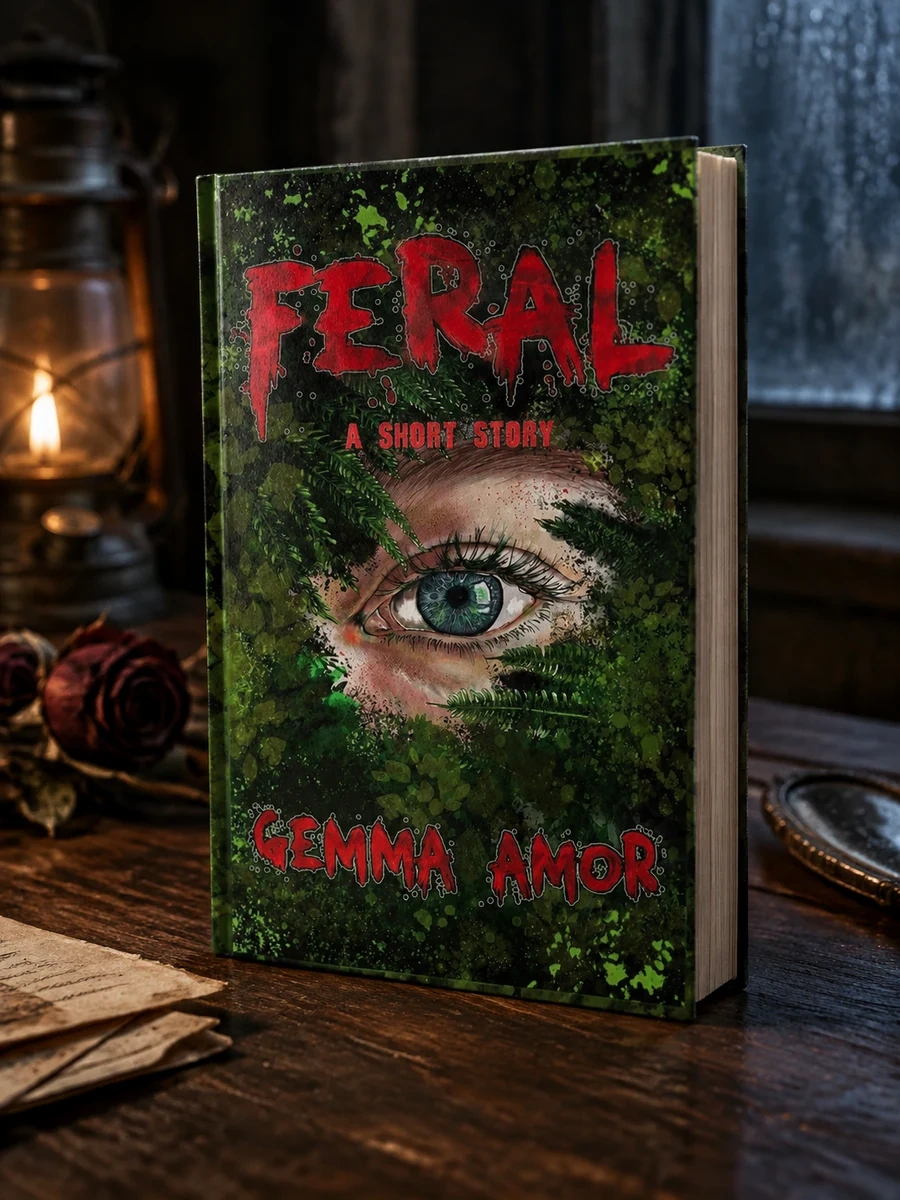
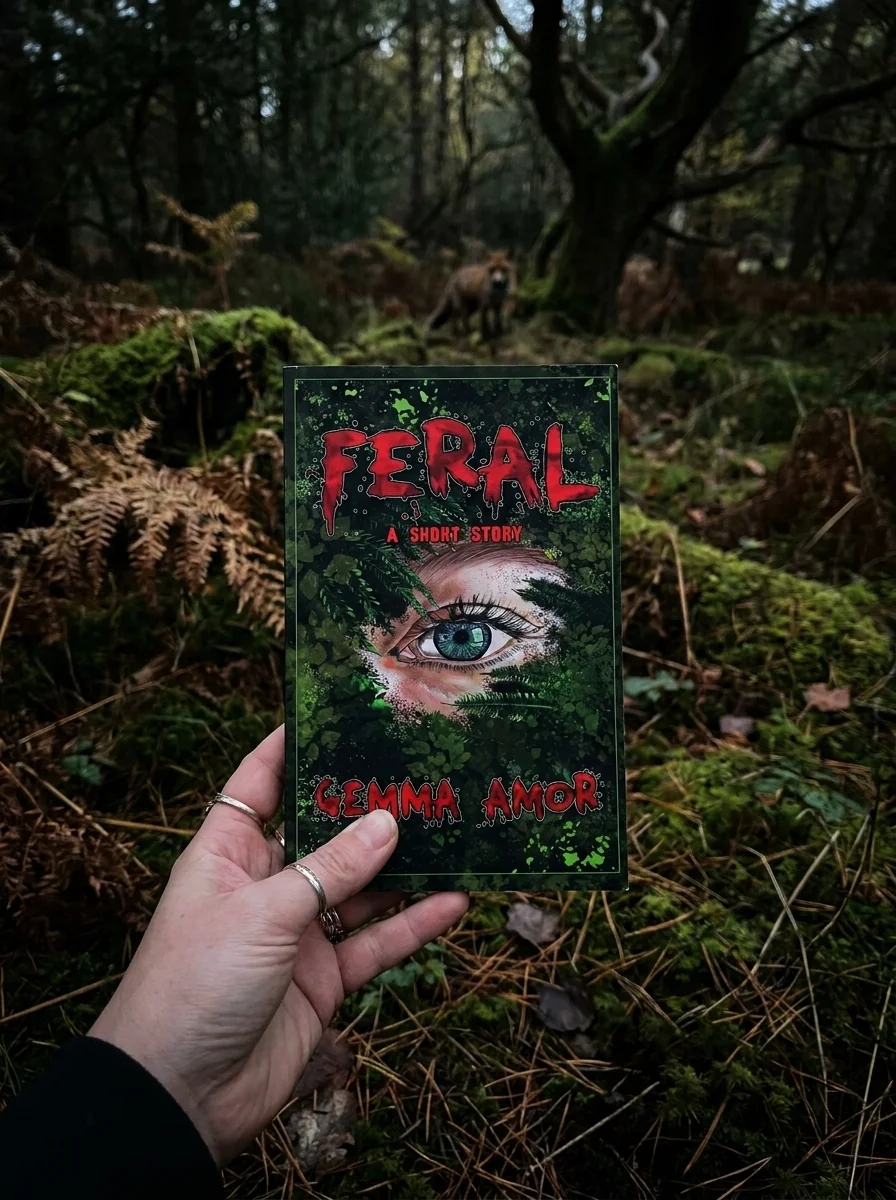
Feral: A short story
A middle-aged woman transforms into a werewolf while battling severe dysmorphia.
Margot possesses everything society values yet despises her own form. Her daily routine involves hours of maintenance that never satisfy her. As her body changes, so does her perception of reality. The story examines how self-loathing can manifest physically. Amor uses the werewolf myth to discuss perimenopause and aging. The narrative focuses on internal struggle rather than external action until the final night. A fox is present in the tale, linking it to wilder instincts. The text avoids traditional chapter structures, relying instead on a flowing prose style to build tension. This approach mirrors Margot’s dissolving sense of self. The ending leaves no room for return to her previous life.
This 2024 release by Independently Published places itself in the lineage of Bram Stoker Award nominated authors. It updates classic British Fantasy Award winning tropes for a modern audience. The work connects contemporary anxieties about aging and appearance with traditional supernatural fiction. It targets readers familiar with Gothic horror conventions.


📝 Description: Feral: A short story
💎 Our verdict on Feral: A short story
📖 Why choose it
Why this book is worth reading
Readers who appreciate the intersection of visceral body horror and deep psychological exploration will find this short story compelling. It offers a unique, unflinching look at self-loathing and the erosion of identity, framed through the lens of perimenopausal transformation. Those interested in modern reimaginings of classic monsters that prioritize internal struggle over external action will appreciate its nuanced approach. The narrative serves as a potent metaphor for physical dysmorphia, making it ideal for fans of literary horror who seek meaning beyond simple frights.
⭐ Reader reviews
Reader rating
Gemma Amor delivers a harrowing examination of self-hatred through the grotesque lens of werewolf transformation. By eschewing traditional chapter structures, the flowing prose mirrors the protagonist’s dissolving sense of self, creating an immersive and unsettling experience. The text avoids conventional horror tropes, focusing instead on the internal agony of dysmorphia and the weight of societal expectations. While bleak and intense, it provides a powerful commentary on aging and bodily autonomy. This work suits readers comfortable with disturbing depictions of physical change and those who value atmospheric tension over plot-driven narratives.
📖 Read on the blog
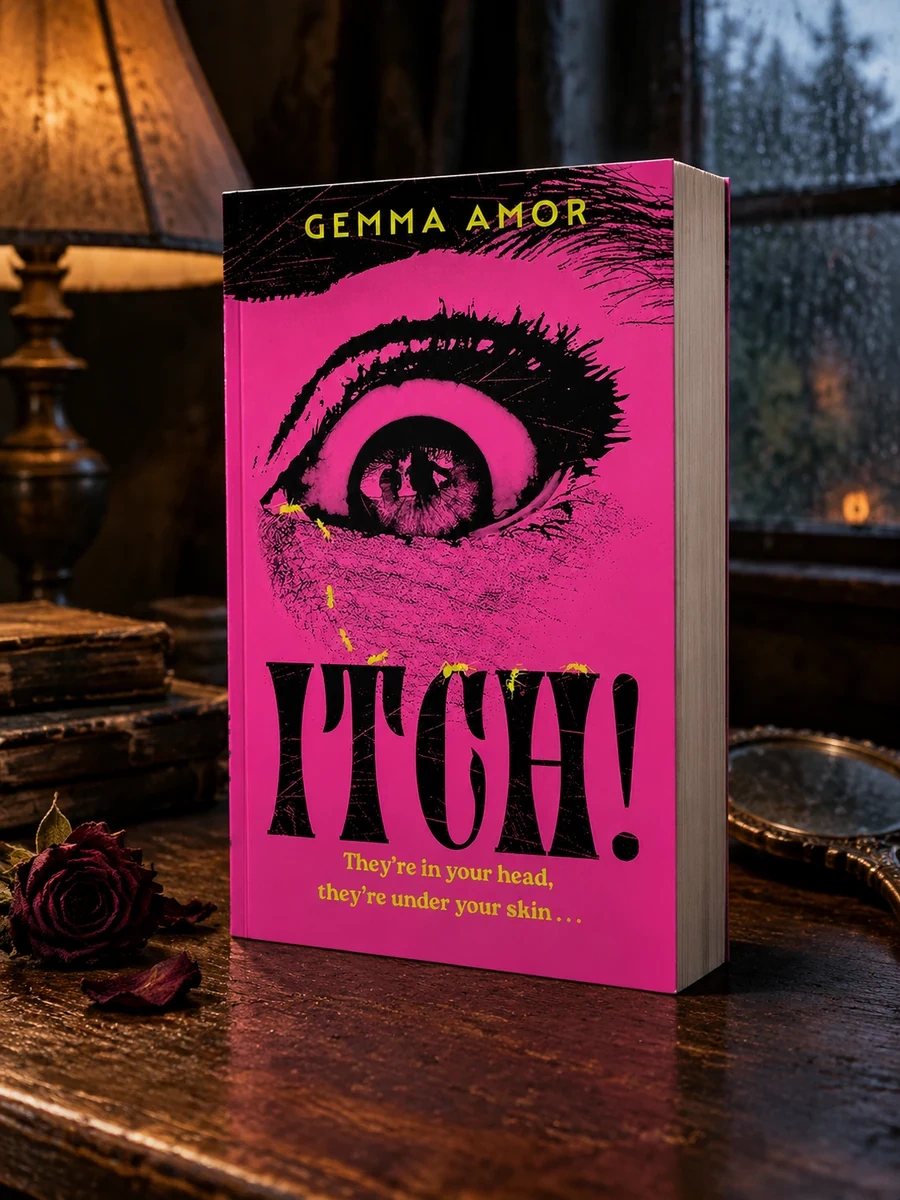
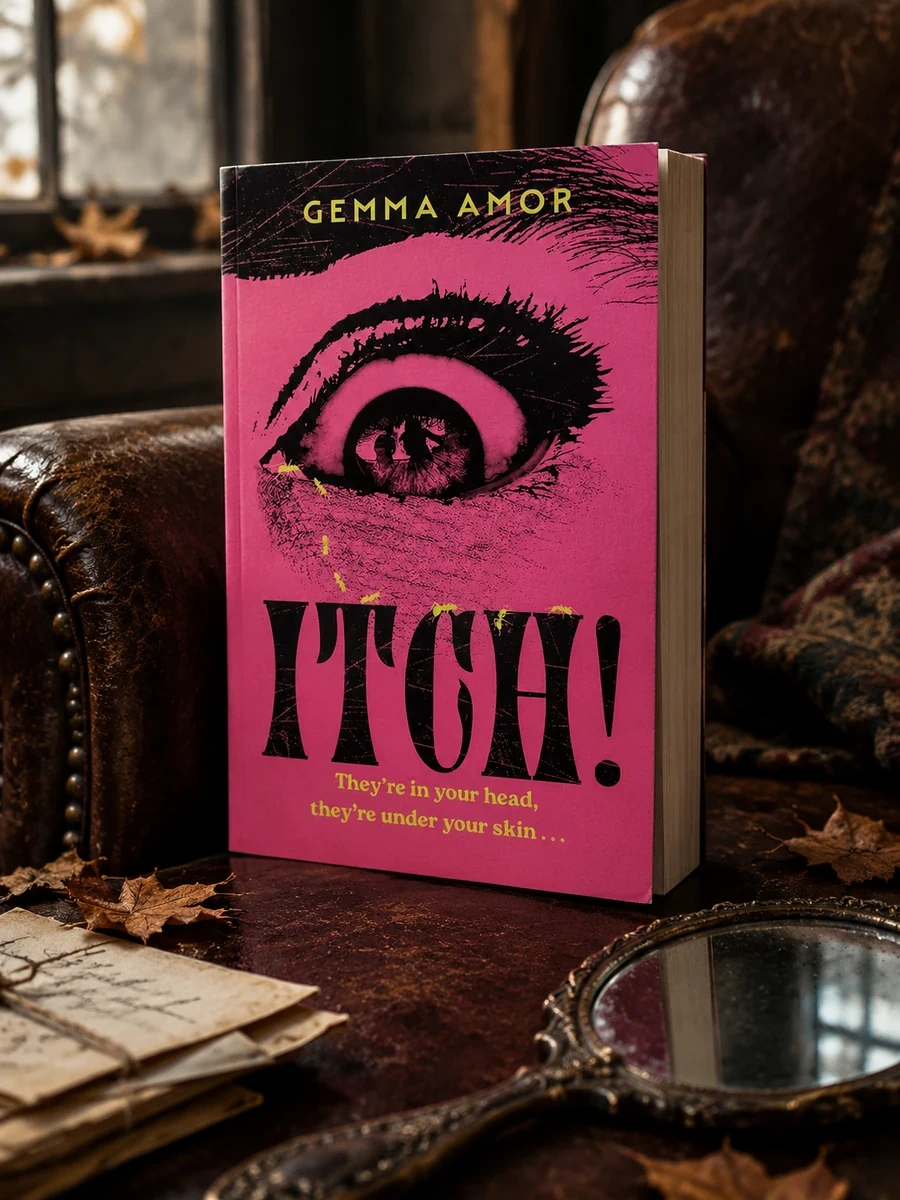
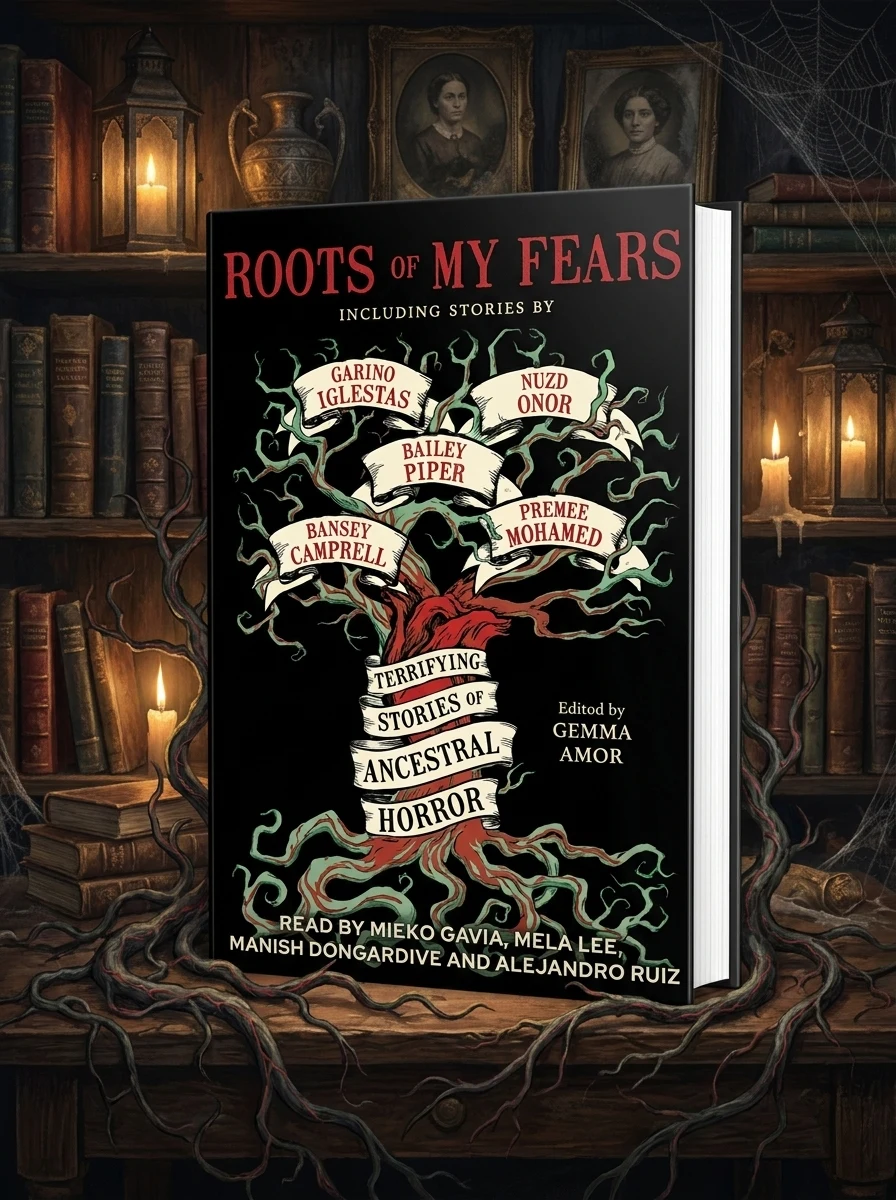
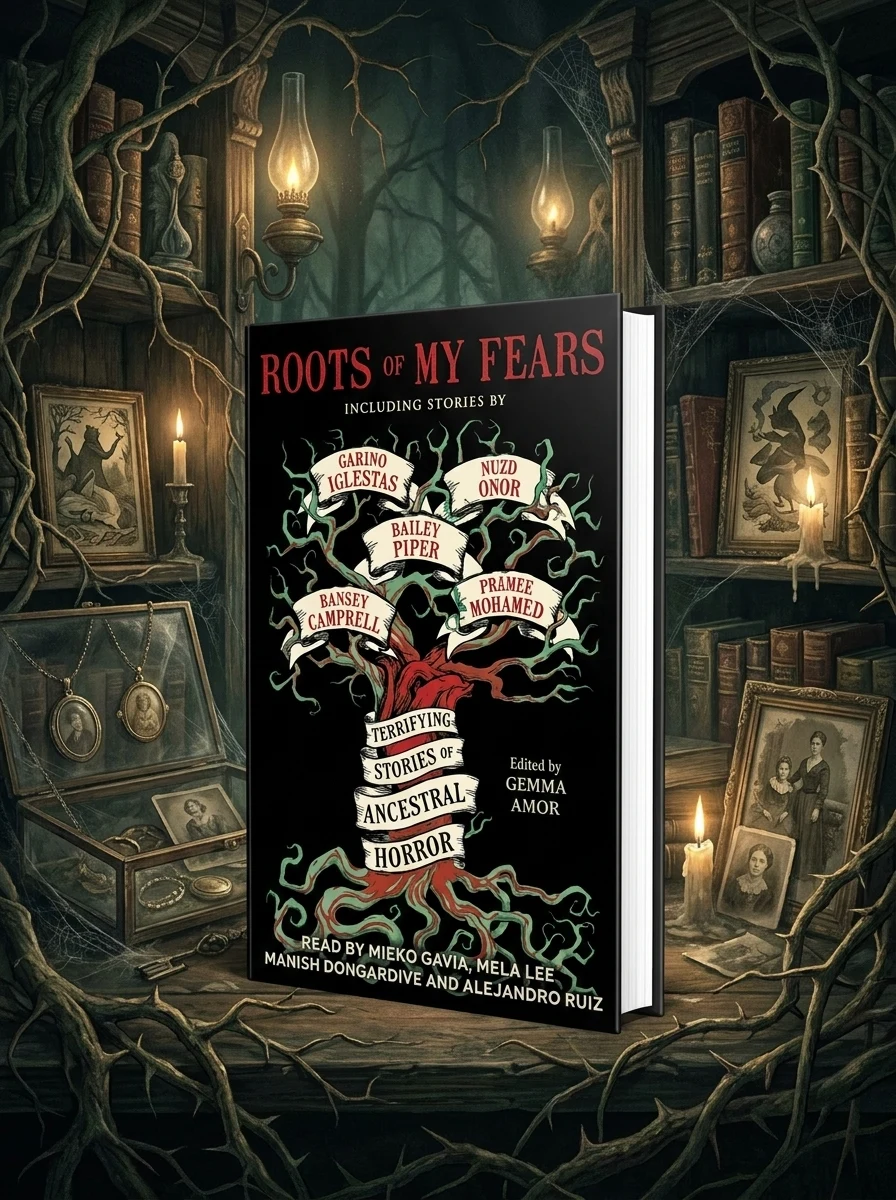
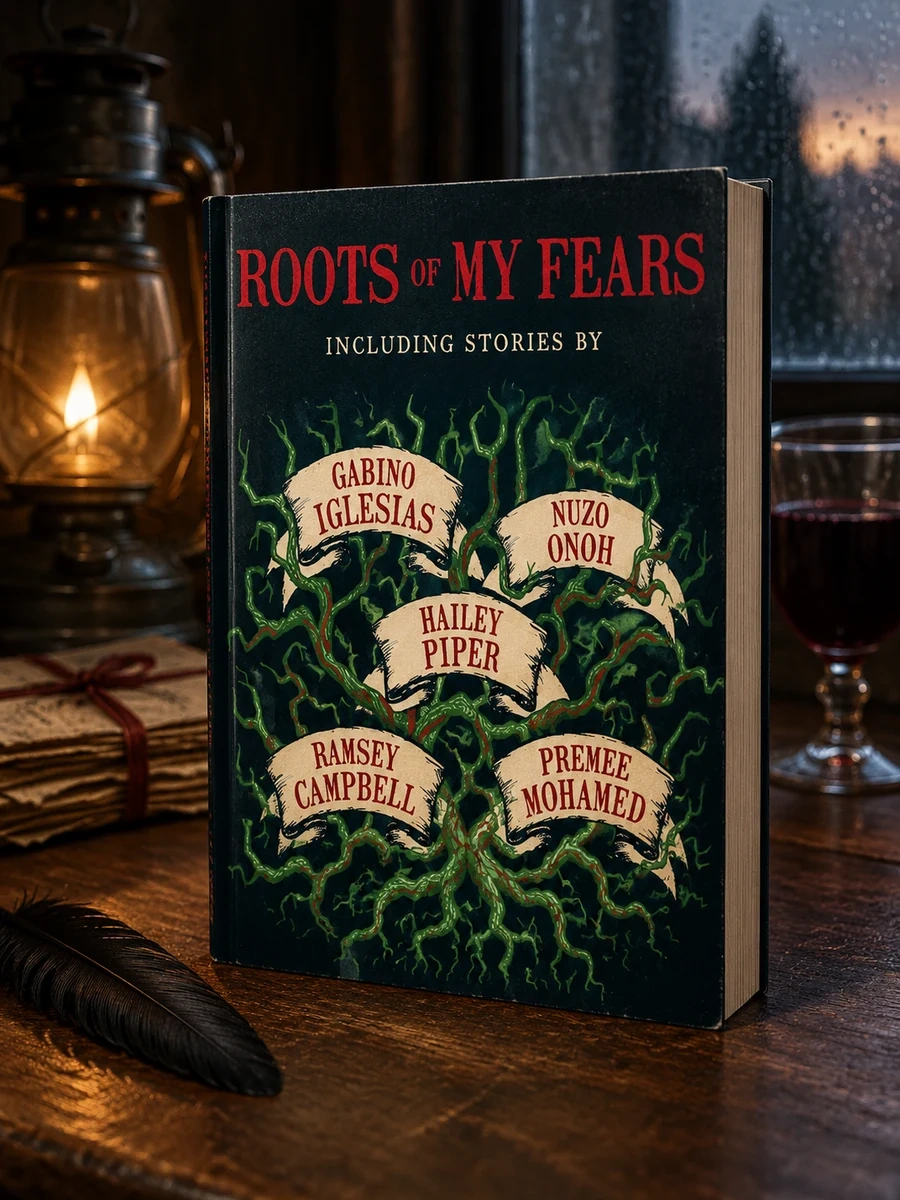
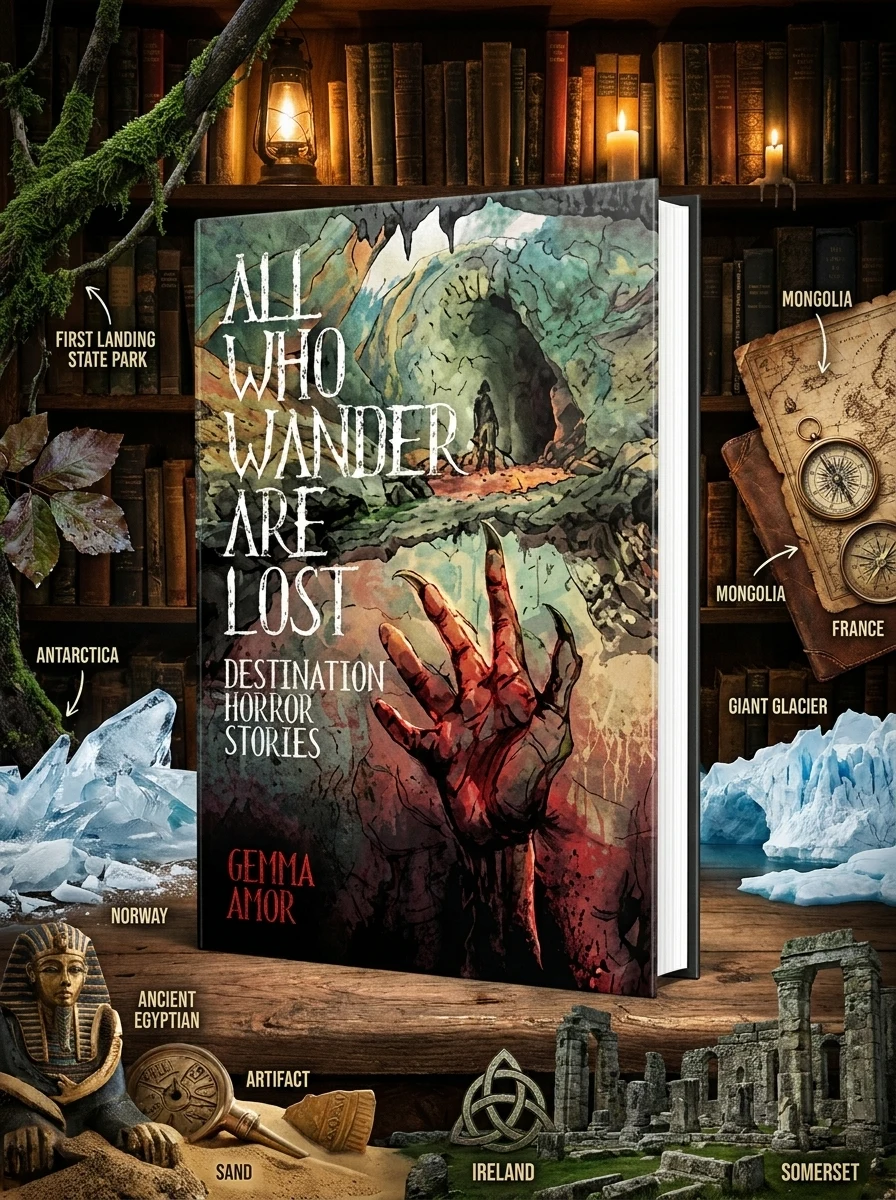
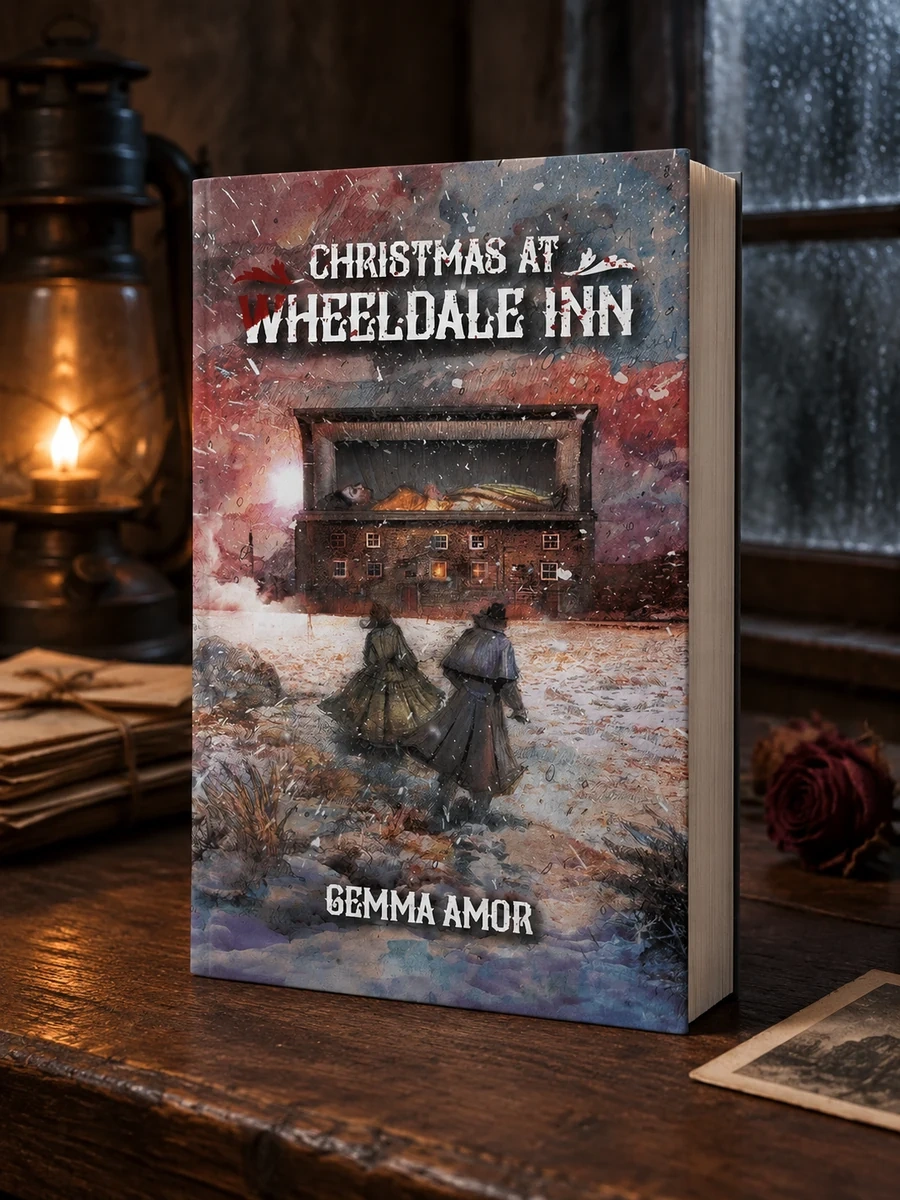
✍️ More books by this author Gemma Amor


🏛 Books from this publisher Independently Published






You might also like
See more →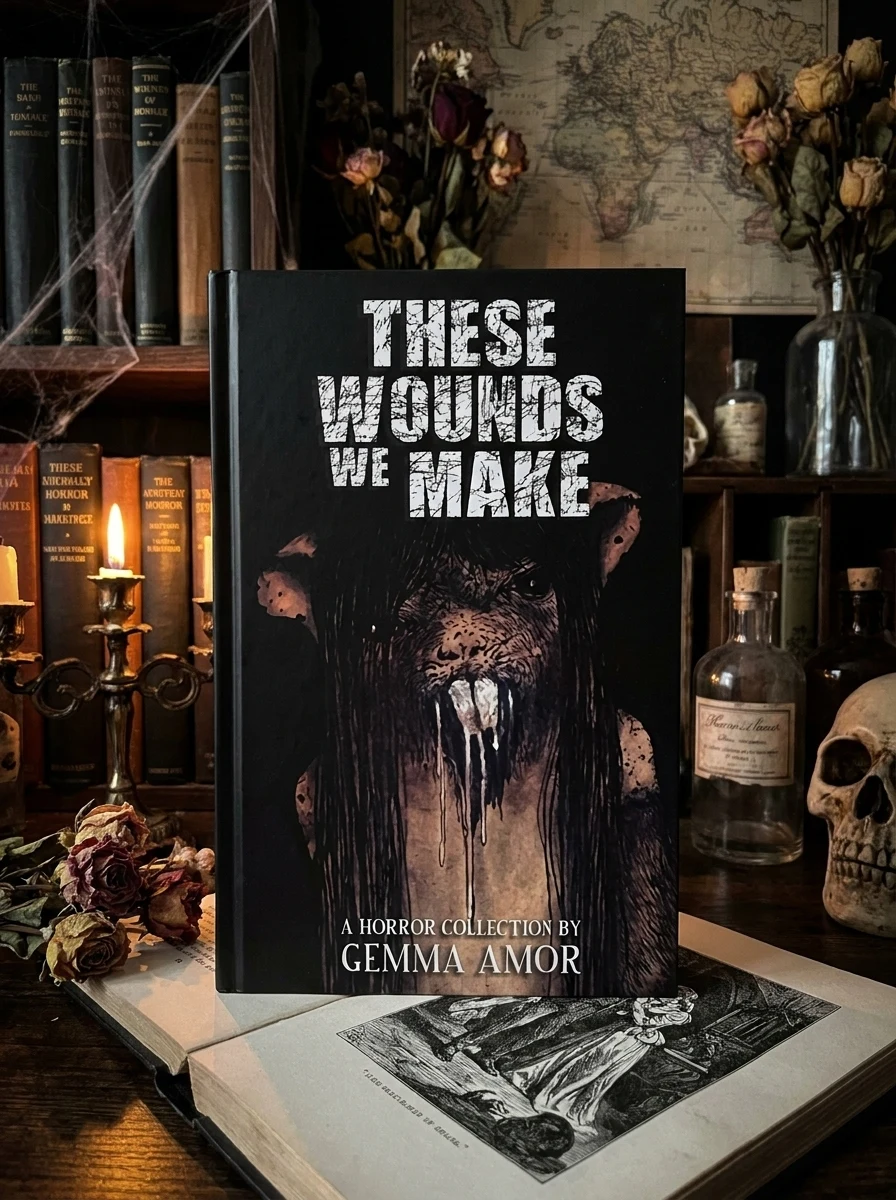

Have a question about this item?
Ask about the edition, condition, delivery or anything else — we reply by email or phone, usually within a day.
