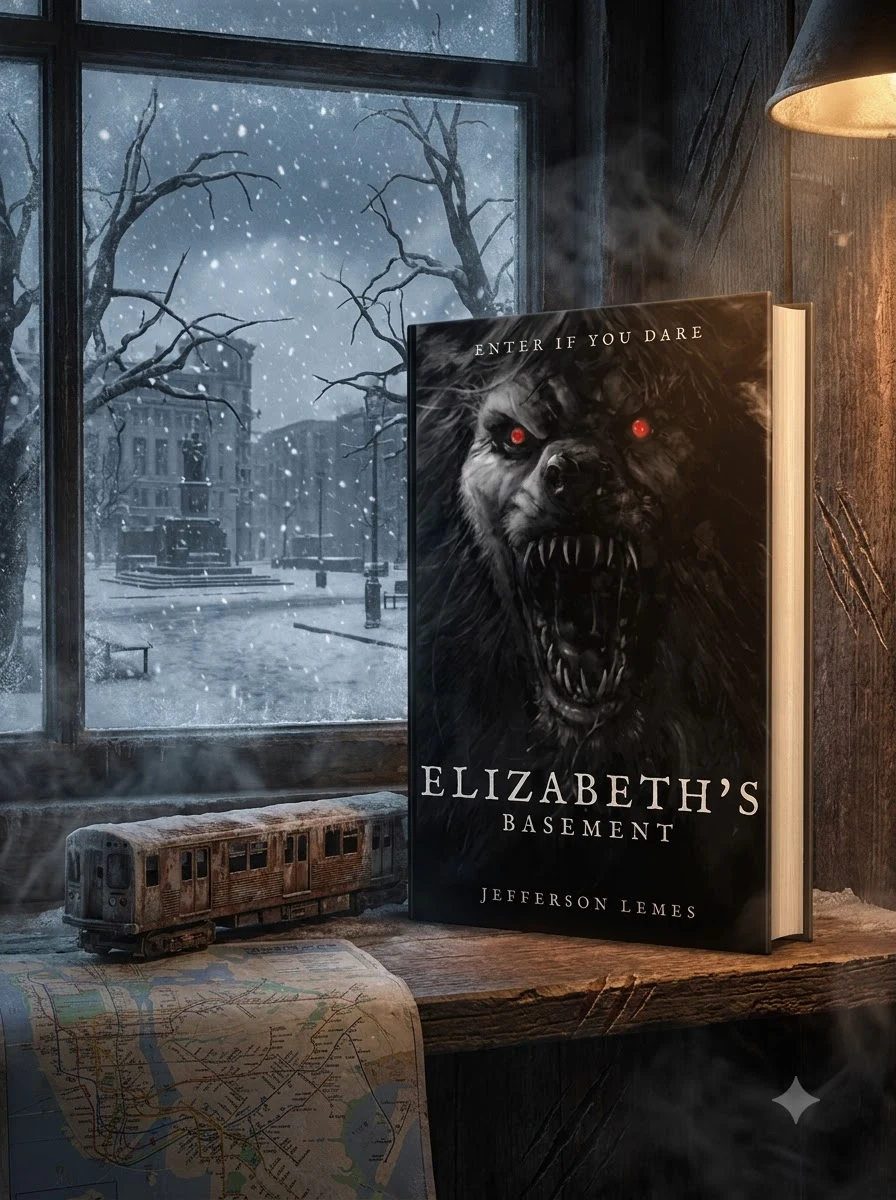

Elizabeth's Basement: Enter if you dare
A psychological horror story about fear in a snow-bound city during a winter crisis.
Santos examines how external weather events mirror internal psychological states. The subway serves as a conduit for those ignoring evacuation orders. The narrative highlights the futility of reporting to work when nature declares war. Fear becomes a tangible force that distorts perception and creates non-existent threats. The story critiques the compulsion to maintain normalcy amidst chaos. It does not offer escape from the creeping dread that defines the urban experience during this specific winter event.
The narrative is set in a generic US city facing a severe winter storm. The text references media announcements and local authority warnings, grounding the horror in contemporary civic response to natural disasters rather than historical periods or specific cultural traditions.


📝 Description: Elizabeth's Basement: Enter if you dare
💎 Our verdict on Elizabeth's Basement: Enter if you dare
📖 Why choose it
Why this book is worth reading
Readers who appreciate slow-burn tension and descriptive prose will find this book rewarding. It suits those interested in atmospheric gothic fiction and psychological horror set against harsh winter backdrops. The narrative explores the contrast between external environmental threats and internal terror, offering a unique perspective on fear as a tangible force that distorts perception. It appeals to individuals who enjoy analyzing how societal obligations conflict with survival instincts during crises. Those seeking fast-paced action or clear resolutions may find it less engaging. However, fans of evocative imagery and the critique of maintaining normalcy amidst chaos will gain significant insight into the futility of duty when nature declares war.
⭐ Reader reviews
Reader rating
Guilherme Santos delivers a chilling narrative that prioritizes psychological weight over supernatural monsters. The book excels in using evocative imagery to depict an urban landscape under siege by weather, effectively mirroring internal states with external events. The subway serves as a potent conduit for those ignoring evacuation orders, highlighting the absurdity of reporting for work during a winter crisis. This approach creates a tangible sense of dread that defines the urban experience. It is best suited for readers who enjoy atmospheric gothic fiction and psychological horror. Those preferring descriptive prose over action will appreciate the tension between survival instincts and societal obligations. The text successfully critiques the compulsion to maintain normalcy, offering a profound look at fear's power to distort reality without relying on traditional horror tropes.
📖 Read on the blog
🏛 Books from this publisher Independently Published








You might also like
See more →

Have a question about this item?
Ask about the edition, condition, delivery or anything else — we reply by email or phone, usually within a day.
