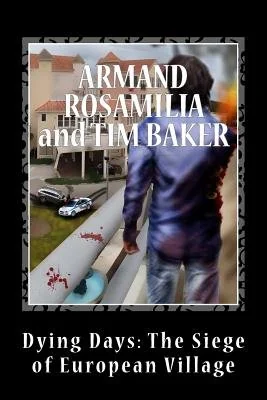
Dying Days: The Siege of European Village
A collaborative zombie siege novel featuring Baker and Rosamilia.
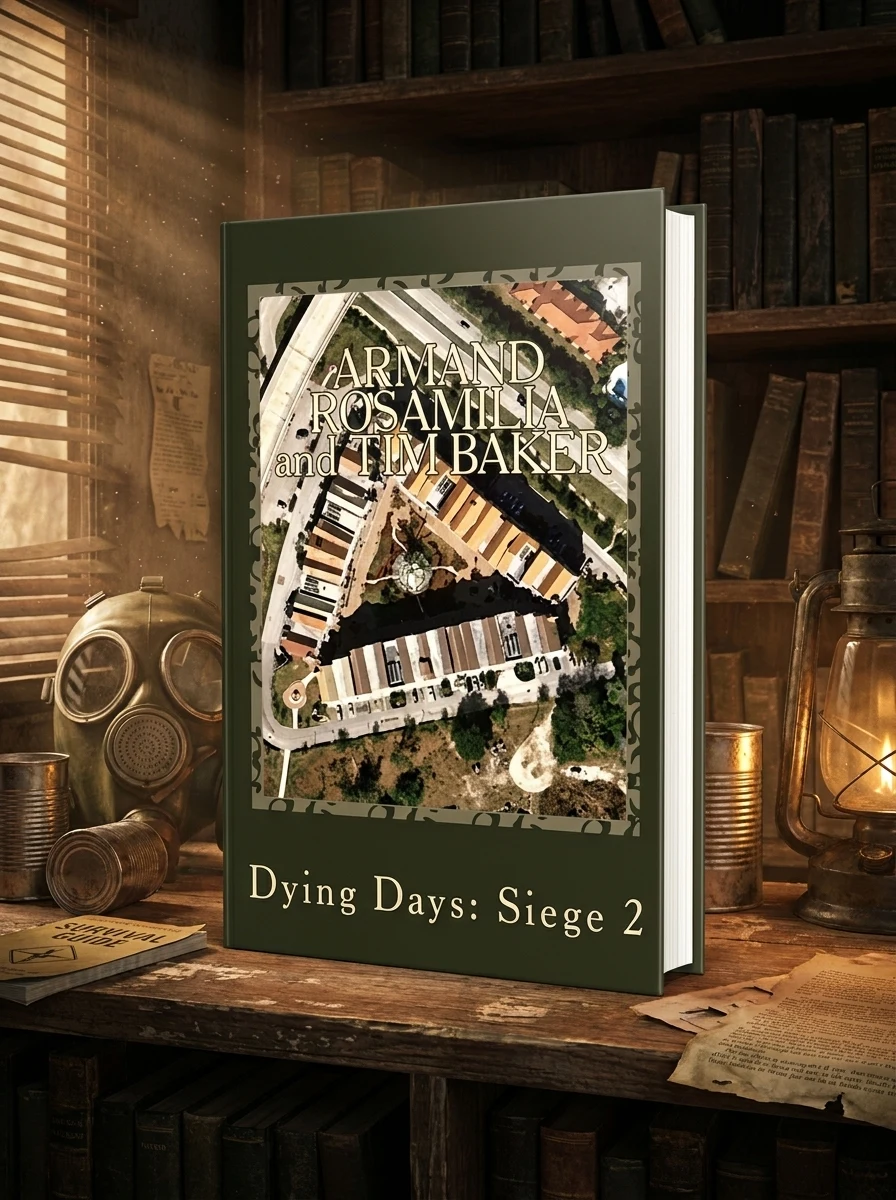
This volume merges the creative efforts of Tim Baker and Armand Rosamilia for the Dying Days series. The plot follows Darlene Bobich and John Murphy as they defend European Village in Palm Coast, Florida. They must balance their personal relationship with the immediate threat of zombies and mysterious outsiders. The narrative structure includes an interview detailing the story's origin and sample chapters from both writers. Baker brings his experience from Water Hazard and Pump It Up to this shared universe. The story focuses on the moral dilemmas of survival within confined spaces.
The book is published by Createspace Independent Publishing Platform in 2012. It sits within the American independent horror fiction market, specifically targeting readers of the Dying Days series. The setting places supernatural horror in a contemporary Florida location, blending local geography with genre tropes.


📝 Description: Dying Days: The Siege of European Village
💎 Our verdict on Dying Days: The Siege of European Village
📖 Why choose it
Why this book is worth reading
Readers who thrive on high-stakes survival narratives will find this collaborative work particularly engaging. It offers a unique perspective by merging distinct authorial voices, allowing fans of both Tim Baker and Armand Rosamilia to see how their styles intersect. The focus on moral dilemmas within confined spaces provides depth beyond simple action, appealing to those who enjoy character-driven stories where relationships are tested by extreme circumstances. The inclusion of sample chapters and an author interview adds value for enthusiasts interested in the creative process behind shared universe building. It serves as an accessible entry point for newcomers to the Dying Days series while offering sufficient density for veterans seeking fresh developments in familiar territory.
⭐ Reader reviews
Reader rating
The book effectively balances intimate character dynamics with large-scale apocalyptic threats. By centering on a specific location like European Village, it grounds the horror in tangible reality, making the siege feel immediate and pressing. The dual-author structure successfully integrates different narrative strengths, creating a cohesive arc despite the collaborative nature. This approach highlights the tension between personal connection and collective survival, a theme that resonates strongly in post-apocalyptic fiction. It is best suited for readers who appreciate world-building details and want to understand the mechanics of siege warfare in a modern context. While it requires some series familiarity, the provided samples help bridge gaps for new audiences.