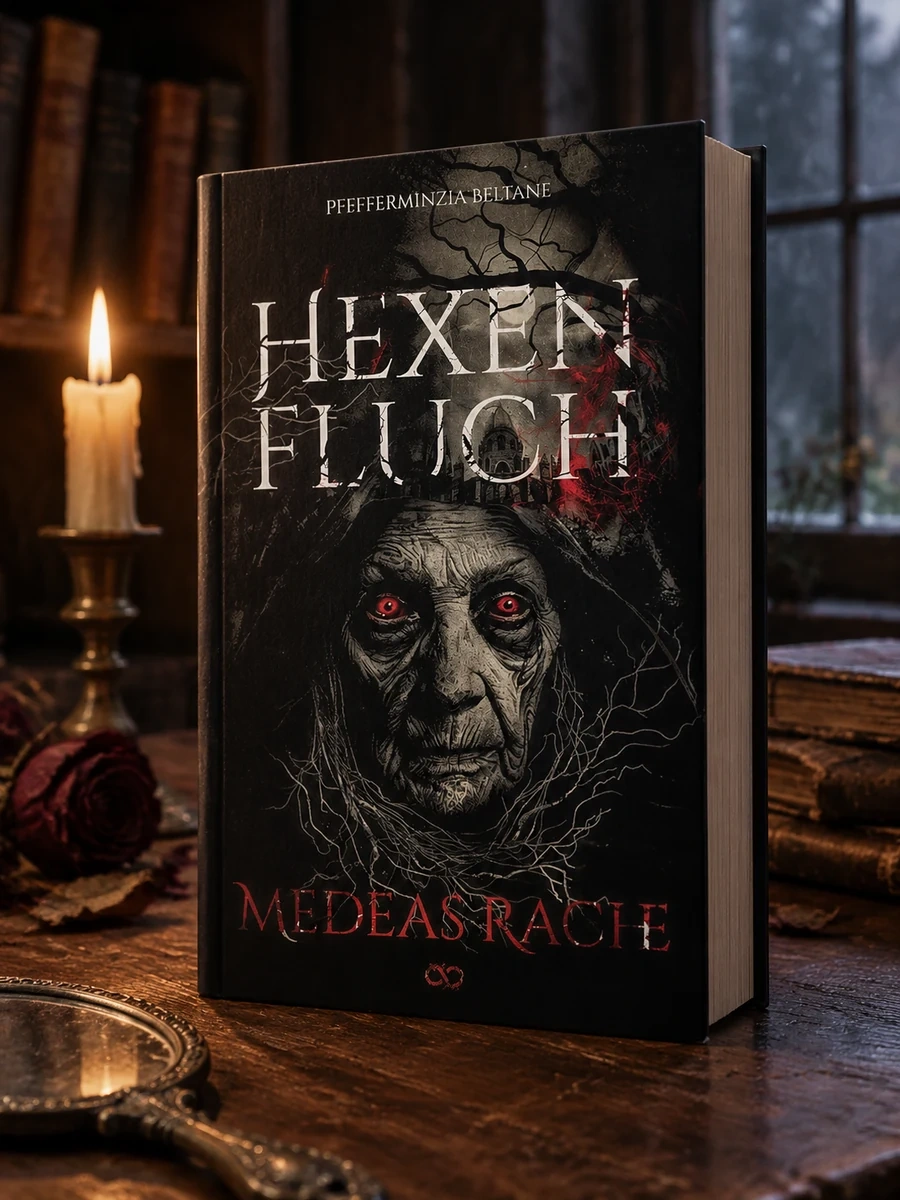
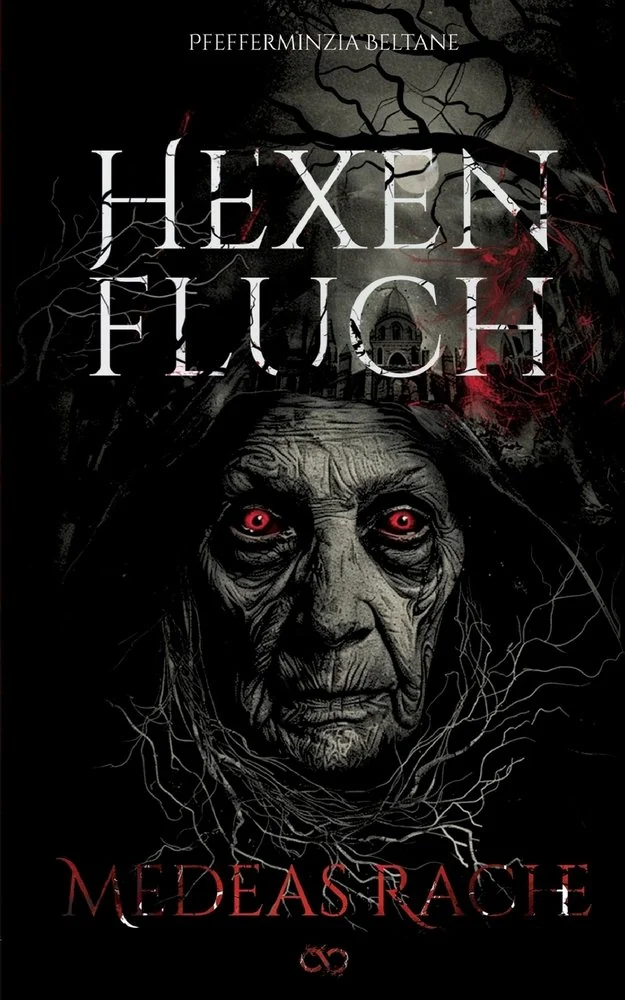
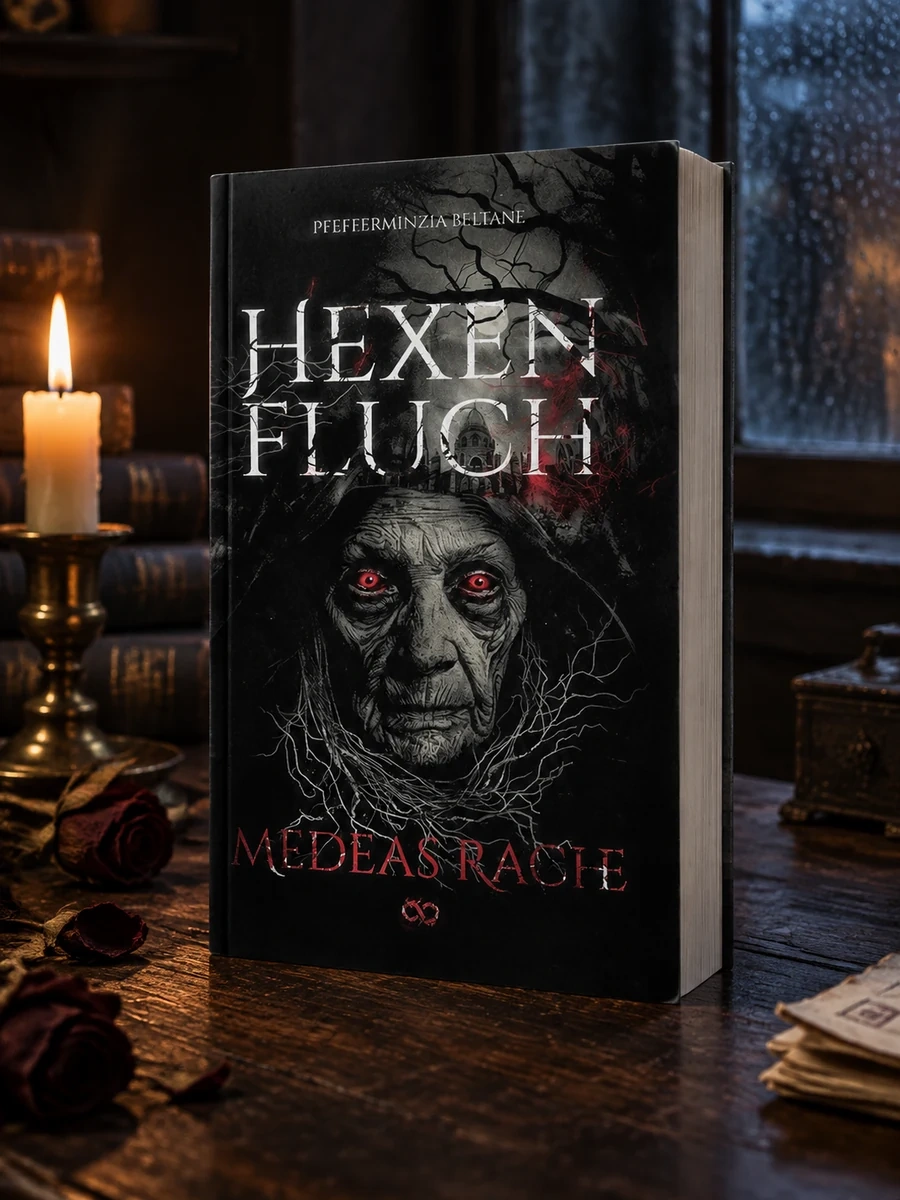
Der Hexenfluch: Medeas Rache
A medieval herbalist's vengeful spirit haunts a Harz village centuries after her execution.
This title offers a focused look at the intersection of religious authority and folk magic in medieval Germany. The plot hinges on the conflict between Bishop Gregor’s desire for ecclesiastical land and Medea’s connection to sacred natural spaces. By examining how the church suppressed local healing traditions, the story highlights the personal cost of such power struggles. Grete Landgraf serves as the modern conduit for this ancient grievance. Her struggle is not merely against a ghost but against a historical wrong that refuses to stay buried. The narrative emphasizes the physical and psychological toll of being hunted by a spirit tied to specific geographical locations.
The story is set in Alexisbad, a small town in the Harz region of Germany. It draws on early medieval history and local German folklore regarding cursed lands and executed healers.


📝 Description: Der Hexenfluch: Medeas Rache
💎 Our verdict on Der Hexenfluch: Medeas Rache
📖 Why choose it
Why this book is worth reading
Readers seeking atmospheric immersion into medieval German history and the specific nuances of regional supernatural folklore will find this narrative compelling. It appeals to those interested in the psychological toll of being hunted by a spirit tied to geographical locations, rather than abstract urban terror. The story offers a focused examination of historical injustice, exploring how unresolved grievances from the past manifest as physical and mental torment. Those who enjoy tales where religious authority clashes with folk traditions and where ancient wrongs refuse to stay buried will appreciate the depth of its thematic concerns. It is ideal for fans of haunted landscapes and revenge narratives that prioritize setting and historical weight over modern plot mechanics.
⭐ Reader reviews
Reader rating
This title effectively utilizes the Harz region’s medieval past to create a dense, atmospheric horror experience. It succeeds in highlighting the personal costs of power struggles between religious authority and folk healing traditions, offering a nuanced look at historical injustice. The narrative structure, following Grete’s desperate attempts to understand the curse, provides a clear psychological arc amidst the supernatural elements. While it may not suit readers preferring modern urban horror or non-fiction accounts, its specific focus on ritual sites and geographical haunting offers a distinct flavor. It is best appreciated by those who value traditional Gothic storytelling grounded in specific cultural contexts and historical grievances.
📖 Read on the blog
✍️ More books by this author Infinity Gaze Studios



🏛 Books from this publisher Infinity Gaze Studios

You might also like
See more →


Have a question about this item?
Ask about the edition, condition, delivery or anything else — we reply by email or phone, usually within a day.
