Deification
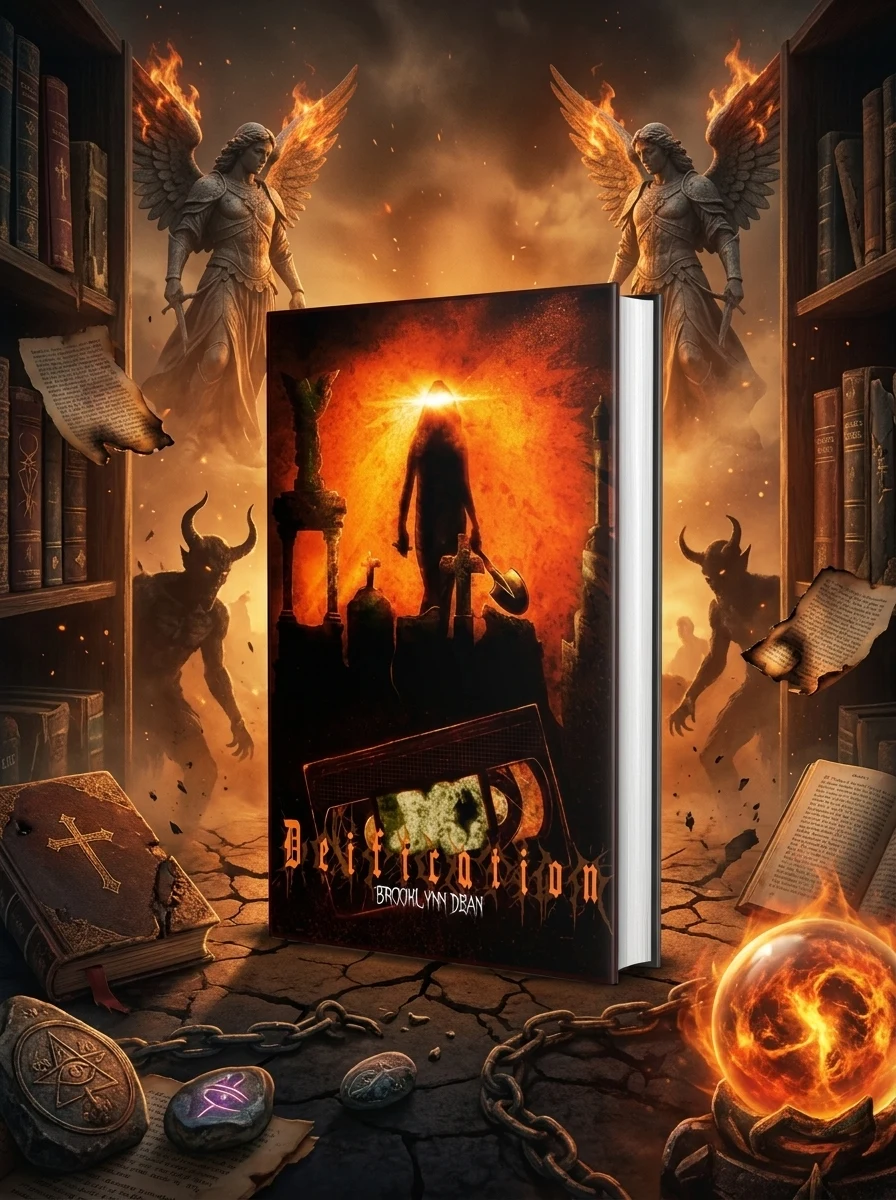
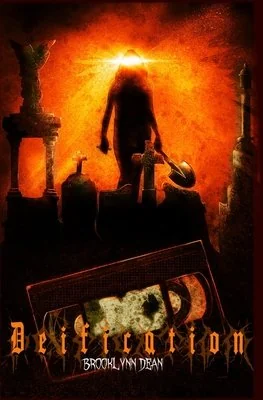
A gang leader seeks to trigger the apocalypse through demonic rituals and blood sacrifice.
The narrative follows Torrence as she transitions from criminal activity to religious fanaticism after meeting Conrad. Her group commits murders and performs supernatural rituals to empower their dark savior. The text describes a world where angels and hellish presences actively influence human psychic gifts. Dean structures the plot around the preparation for an end-times event that promises an unholy paradise. The focus remains on the mechanics of this devotion rather than external heroism.
This work sits within the contemporary horror genre, blending urban gang culture with traditional apocalyptic theology. It draws on Christian demonology and angelic lore to create a modern supernatural conflict. The setting implies a near-future or alternate present where spiritual boundaries have collapsed.


📝 Description: Deification
💎 Our verdict on Deification
📖 Why choose it
Why this book is worth reading
Readers drawn to the fusion of gritty urban realism and high-stakes supernatural theology will find Deification compelling. It appeals to those who prefer narratives that reject redemptive arcs in favor of deliberate, calculated malice as a path to spiritual awakening. Fans of dark fantasy and theological horror will appreciate the exploration of how criminal devotion intersects with divine and infernal forces. The book offers a unique perspective for audiences tired of traditional heroism, providing instead a focus on the mechanics of destruction and the pursuit of an unholy paradise through blood sacrifice and ritual.
⭐ Reader reviews
Reader rating
Deification distinguishes itself by anchoring cosmic horror in the specific dynamics of gang culture and religious fanaticism. Dean effectively merges these disparate elements, creating a tense atmosphere where psychic gifts are amplified by heavenly fury and hellish corruption. The narrative excels in its unflinching focus on Torrence’s journey from criminal activity to religious obsession, avoiding clichéd redemption tropes. This approach suits readers who enjoy complex character motivations driven by destruction rather than salvation. The text is best appreciated by those seeking a dark, atmospheric exploration of faith twisted by violence, offering a chilling look at the desire for an unholy paradise.