
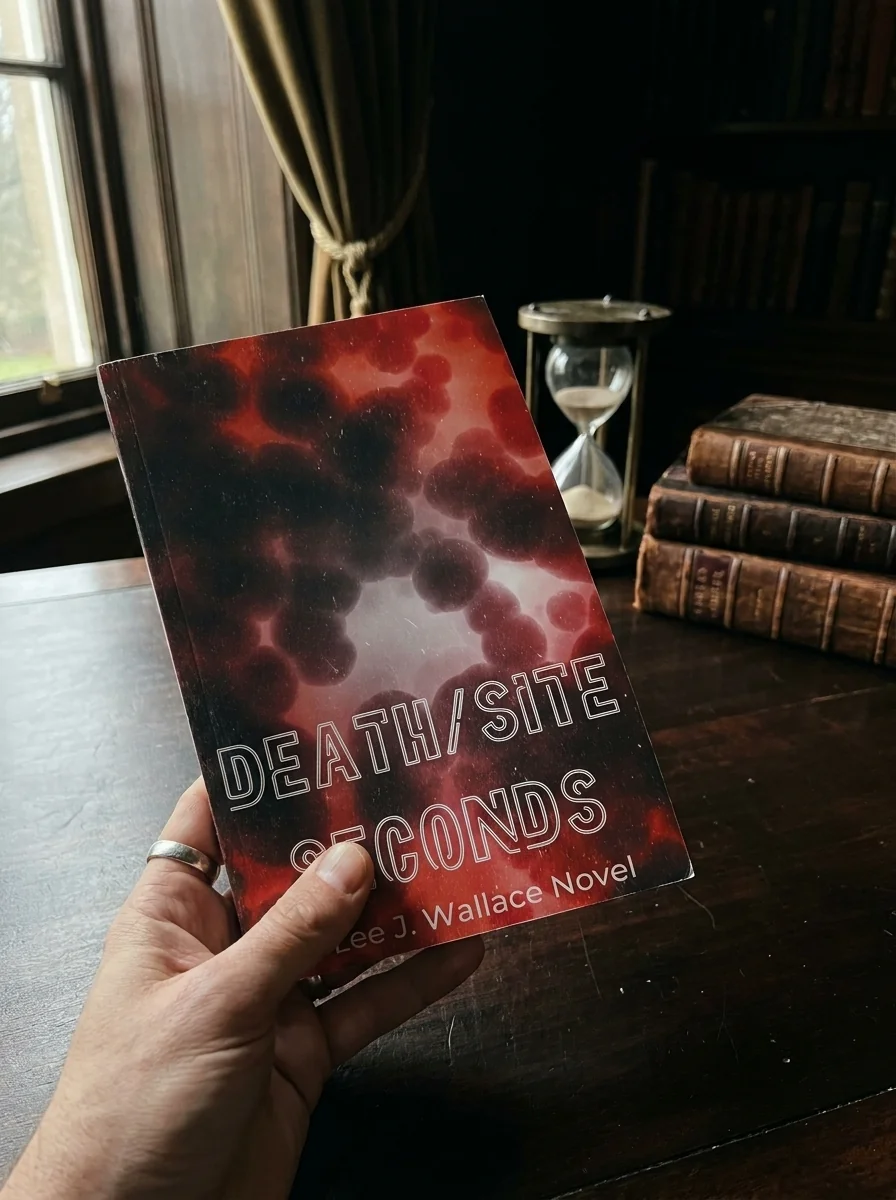
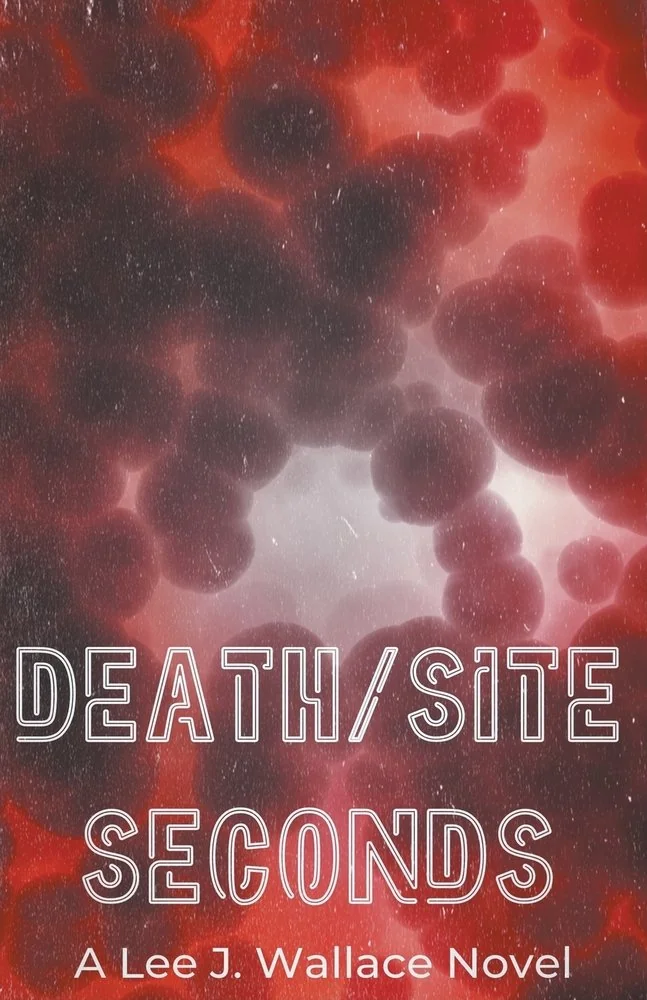
Death/Site: Seconds
A teen uses a murder-predicting app to stop her brother, triggering a chain of fatal consequences.
Wallace writes about a digital tool that grants users the power to end lives or foresee them. The protagonist employs this system to protect herself from familial violence. Her actions ripple outward, causing unintended casualties among strangers. The story focuses on the aftermath of these choices rather than the mechanics of the software itself. It highlights the crushing weight of responsibility when one holds the keys to life and death. The narrative does not offer redemption but instead forces the character to endure the consequences of her interventions. This approach creates a tense atmosphere where every decision carries irreversible stakes for both the user and the predicted victims.
Published in 2022, this work reflects current anxieties about digital privacy and the ethical implications of predictive algorithms. It sits within the modern horror tradition that uses technology as a source of dread rather than supernatural entities.


📝 Description: Death/Site: Seconds
💎 Our verdict on Death/Site: Seconds
📖 Why choose it
Why this book is worth reading
Readers drawn to the crushing weight of moral responsibility and the corruption of power will find this narrative compelling. It offers a tense exploration of how absolute authority over life and death erodes the human conscience. Those interested in psychological horror that examines the aftermath of violent choices, rather than just the acts themselves, will appreciate its focus on guilt and irreversible consequences. The book appeals to those who enjoy dense, conceptually heavy stories where technology serves as a conduit for supernatural terror. It is ideal for audiences seeking bleak, thought-provoking fiction that challenges traditional notions of redemption and justice in a digital age.
⭐ Reader reviews
Reader rating
Wallace crafts a chilling examination of the intersection between technology and morality, focusing on the psychological burden placed upon the user. The narrative effectively highlights how access to absolute power corrupts the moral compass, turning a victim into an executioner. By prioritizing the aftermath of choices over the mechanics of the software, the story creates a tense atmosphere where every decision carries irreversible stakes. This approach suits readers interested in contemporary horror and supernatural fiction that critiques modern surveillance culture. It is less suitable for those seeking lighthearted escapism or traditional gothic settings, as the tone remains relentlessly bleak and conceptually dense throughout.
📖 Read on the blog
✍️ More books by this author Lee Wallace





🏛 Books from this publisher Lee Wallace
You might also like
See more →



Have a question about this item?
Ask about the edition, condition, delivery or anything else — we reply by email or phone, usually within a day.
