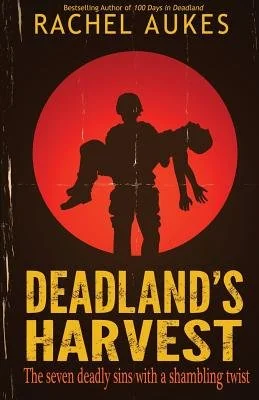
Deadland's Harvest
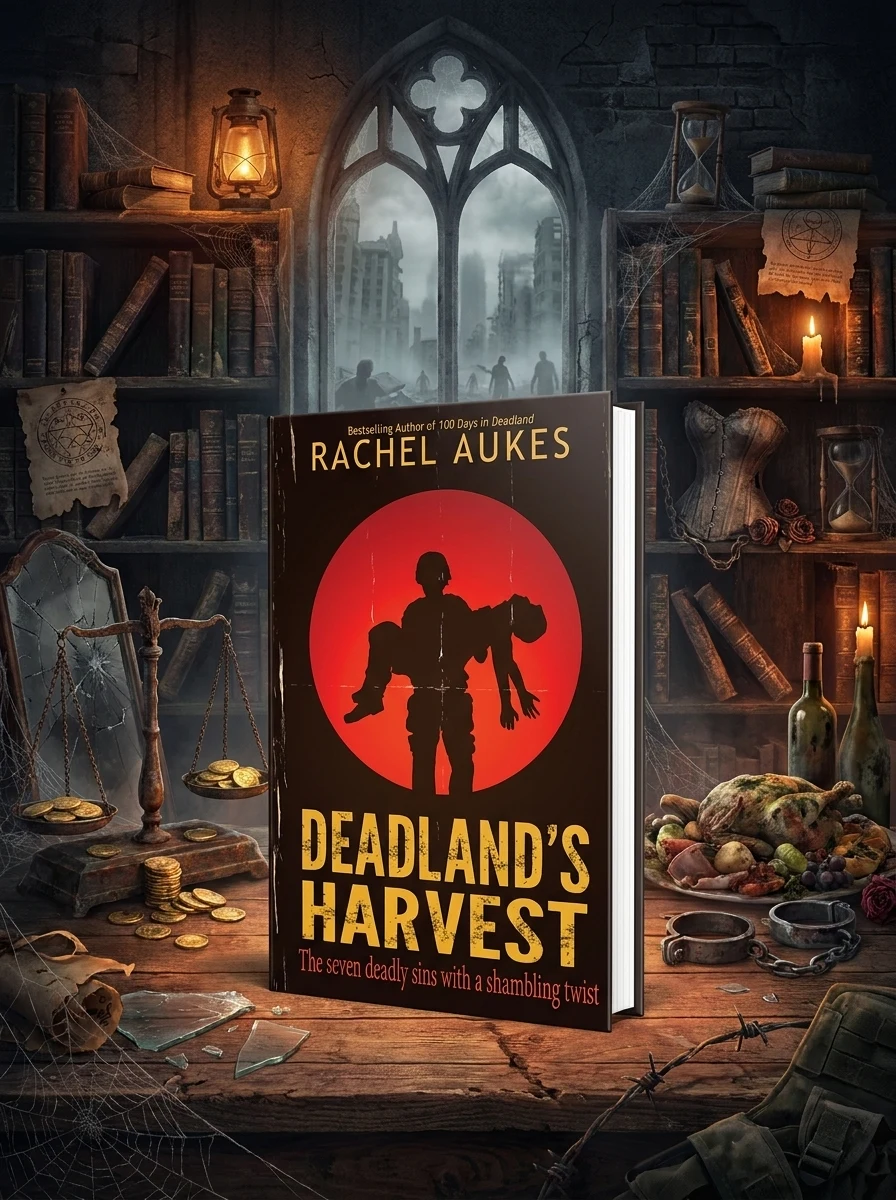
A zombie apocalypse retelling of Dante's Purgatorio set in a national park.
This sequel continues the story of Cash and her group in Fox National Park. With winter closing in, resources are scarce and the threat of undead migration looms large. Aukes uses the framework of Dante’s work to explore sin and redemption among the survivors. The narrative tension rises as the characters must find shelter before the horde reaches them. The book integrates literary tradition with zombie fiction, offering a unique perspective on survival. It is not a standalone tale but part of an ongoing saga.
Published by Waypoint Books in 2014, this work sits at the intersection of classic Italian literature and contemporary horror fiction. It reimagines Dante Alighieri's Purgatorio through a modern lens, applying its moral structure to a fictional zombie outbreak scenario involving survivors in a secluded park.


📝 Description: Deadland's Harvest
💎 Our verdict on Deadland's Harvest
📖 Why choose it
Why this book is worth reading
Readers who appreciate the intersection of high literary tradition and visceral genre horror will find this book rewarding. It offers a unique perspective on survival by mapping the seven deadly sins onto the internal struggles of survivors, providing thematic depth often absent in standard zombie tales. Those interested in allegorical storytelling and psychological exploration within a post-apocalyptic setting will gain insight into redemption and sin. However, readers seeking straightforward action without complex literary references may find the structure distracting. It is best suited for those who enjoy analyzing character dynamics through a philosophical lens rather than just witnessing physical combat.
⭐ Reader reviews
Reader rating
Aukes successfully blends post-apocalyptic survival with literary allegory, creating a distinctive narrative voice. The integration of Dante’s Purgatorio provides a robust framework for exploring the moral decay and redemption of survivors in Fox National Park. While the premise is intriguing, the heavy reliance on classical structure may alienate readers preferring pure action. The book excels in developing internal conflicts among the forty-two refugees, making their psychological journey as compelling as the external threat of the undead migration. It is a thoughtful entry for fans of genre mashups who value thematic richness over relentless pacing.