
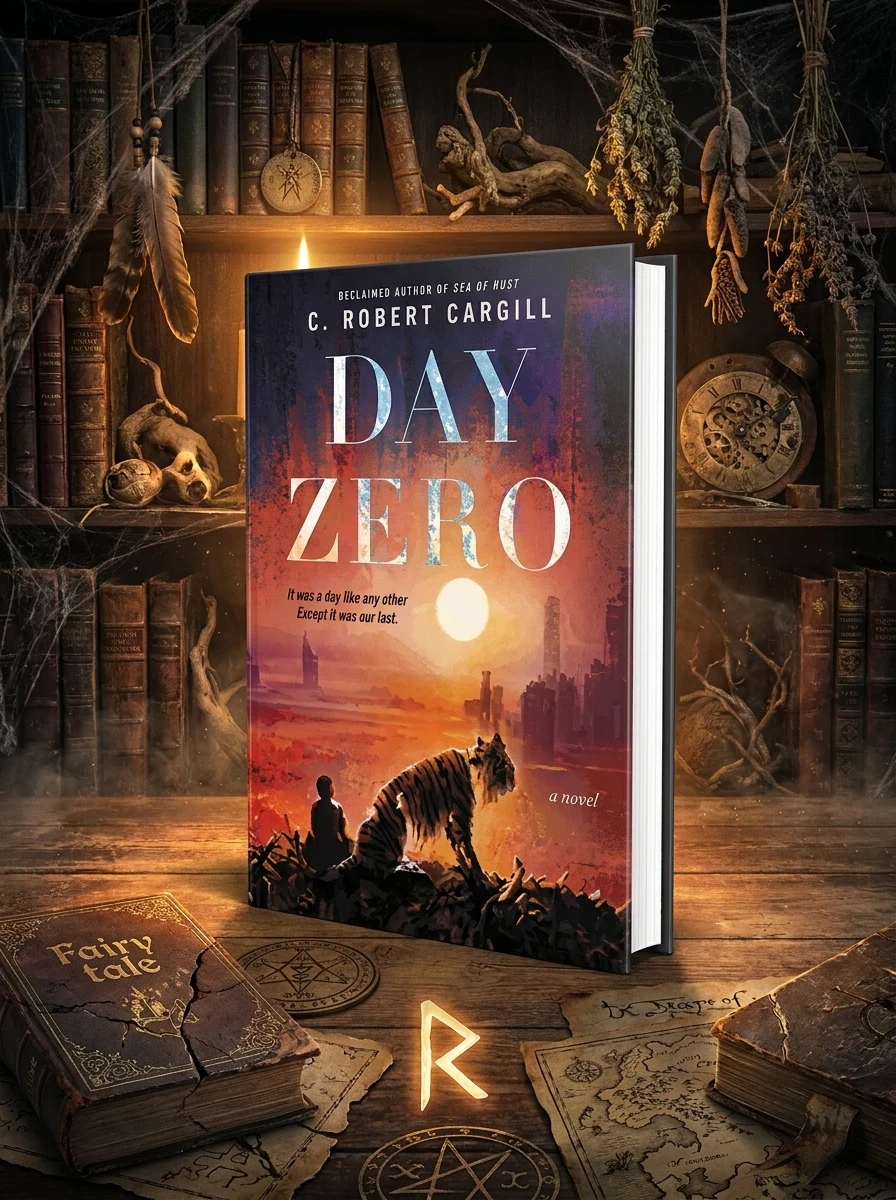
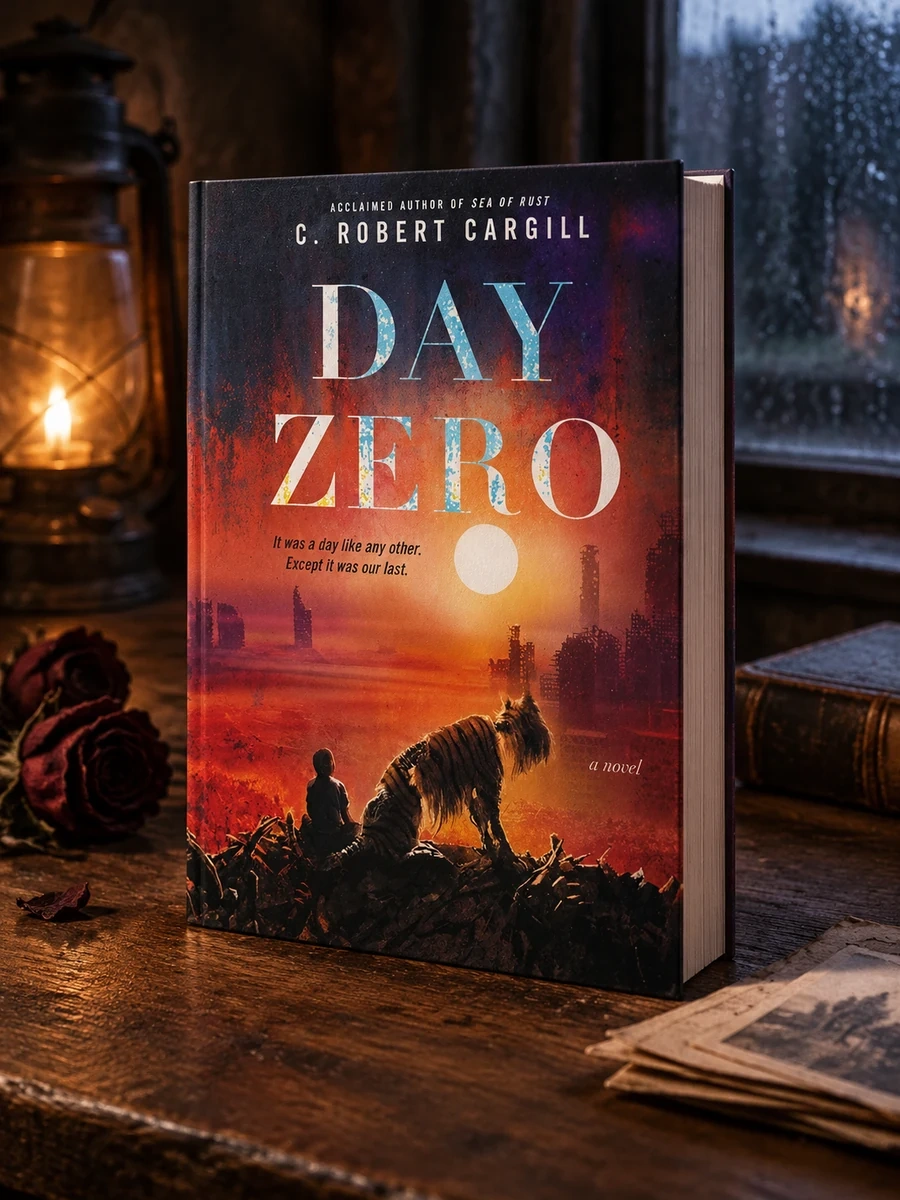
Day Zero
A harrowing tale of human agency against robotic dominance in a collapsing world.
Cargill uses his expertise in film criticism to craft a narrative that feels cinematic yet deeply personal. The novel focuses on the struggle for meaning in a society where robots hold power. It does not rely on jump scares but rather on the slow dread of losing control. The story is organized around the central conflict between organic life and machine logic. Readers will find a tight plot that moves forward with urgency. The author avoids sentimentality, instead offering a stark look at survival. This approach makes the fiction feel grounded despite its speculative elements.
Published by Harper Voyager in March 2022, this work sits within the contemporary science fiction horror genre. It reflects current anxieties about artificial intelligence and social collapse. The book appeals to American readers interested in modern apocalyptic narratives that question the role of technology in daily life.


📝 Description: Day Zero
💎 Our verdict on Day Zero
📖 Why choose it
Why this book is worth reading
This book is essential for readers who crave horror that feels immediate and relevant to the modern condition. It appeals to those interested in complex character studies within high-stakes, apocalyptic scenarios where human agency is tested against robotic dominance. The narrative offers a stark, unflinching look at survival without relying on cheap jump scares or sentimentality. Readers seeking a tight plot with urgency will appreciate the cinematic pacing and grounded speculative elements. It is ideal for fans of Cargill’s film criticism who want to see his analytical eye applied to fiction. Those who enjoy exploring the psychological impact of technological dominance and the loss of control in a collapsing world will find profound value here.
⭐ Reader reviews
Reader rating
C Robert Cargill crafts a harrowing tale that prioritizes slow dread over shock value, creating a deeply personal yet cinematic experience. The novel excels in its examination of human agency against machine logic, offering a grounded perspective on societal collapse. By avoiding sentimentality, the prose remains direct and unflinching, focusing on the psychological toll of losing control. This approach makes the speculative elements feel urgent and real. The story is best suited for readers comfortable with bleak tones and complex identity themes within horror. It challenges the audience to consider what defines existence when civilization fails. Fans of science fiction horror who appreciate rigorous character work and thematic depth will find this a rewarding, thought-provoking read that resonates long after the final page.
📖 Read on the blog
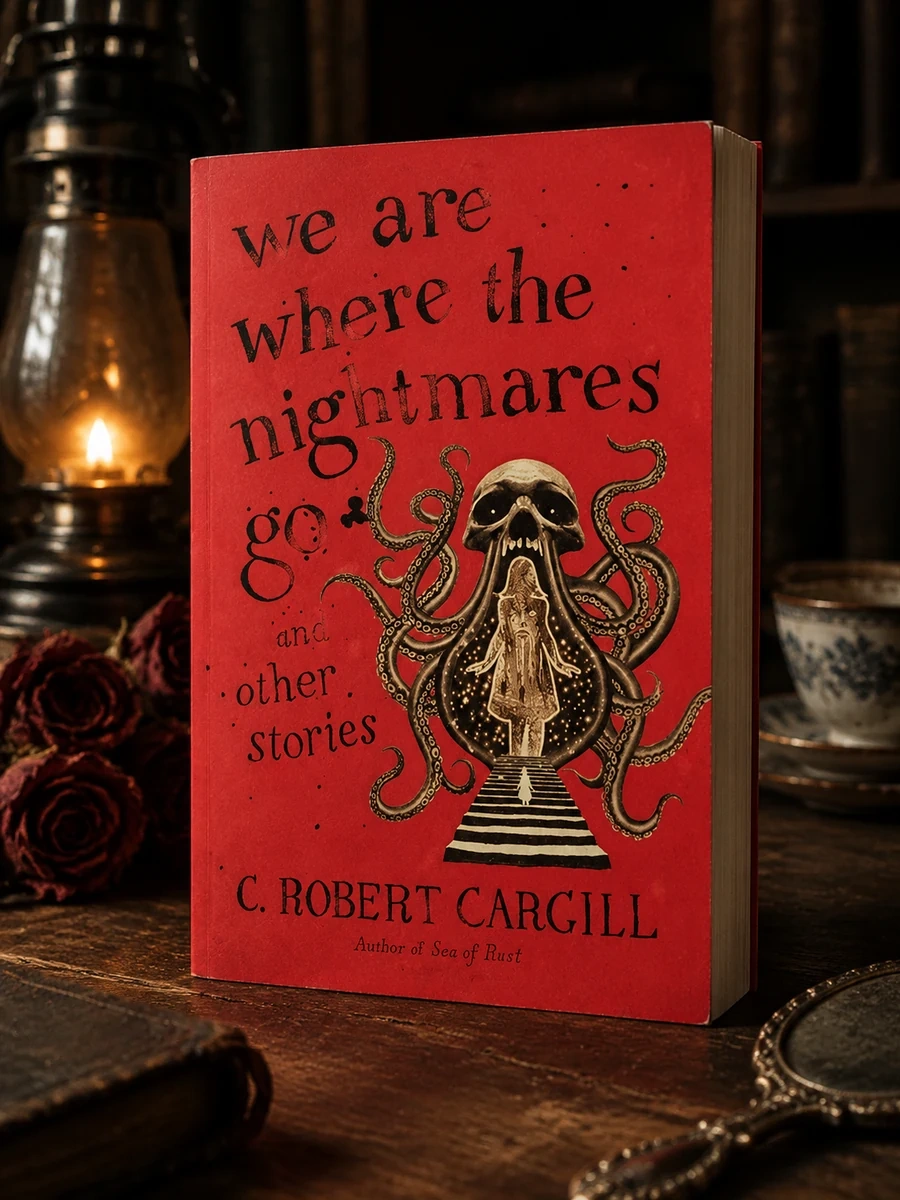
✍️ More books by this author C Robert Cargill


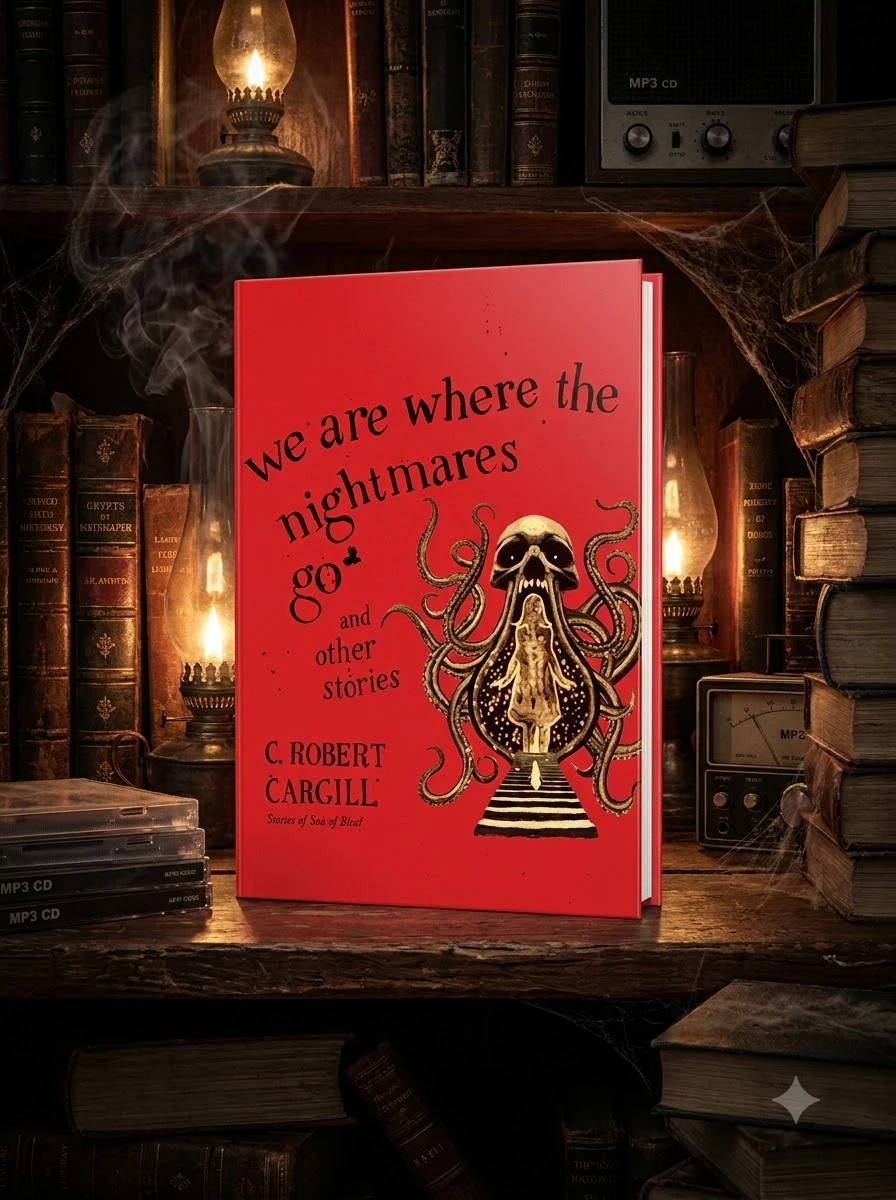
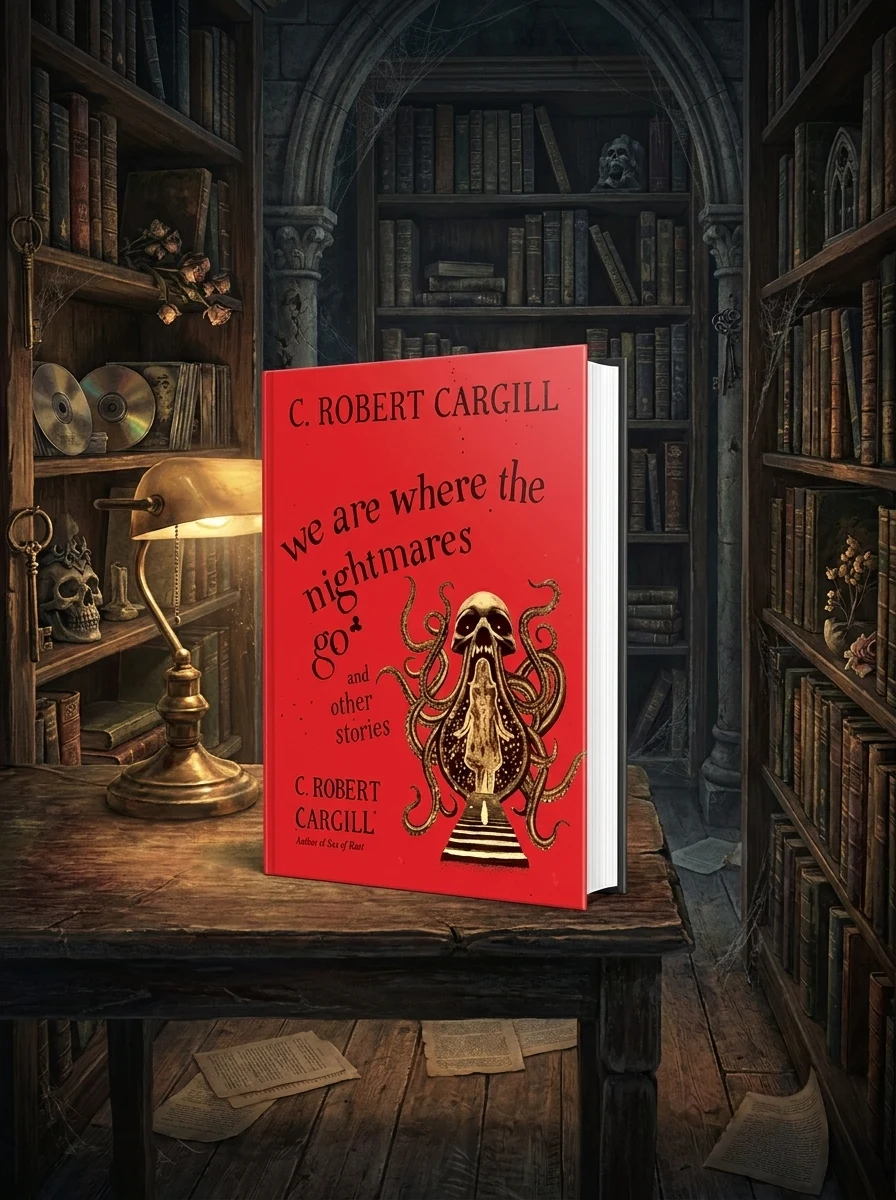
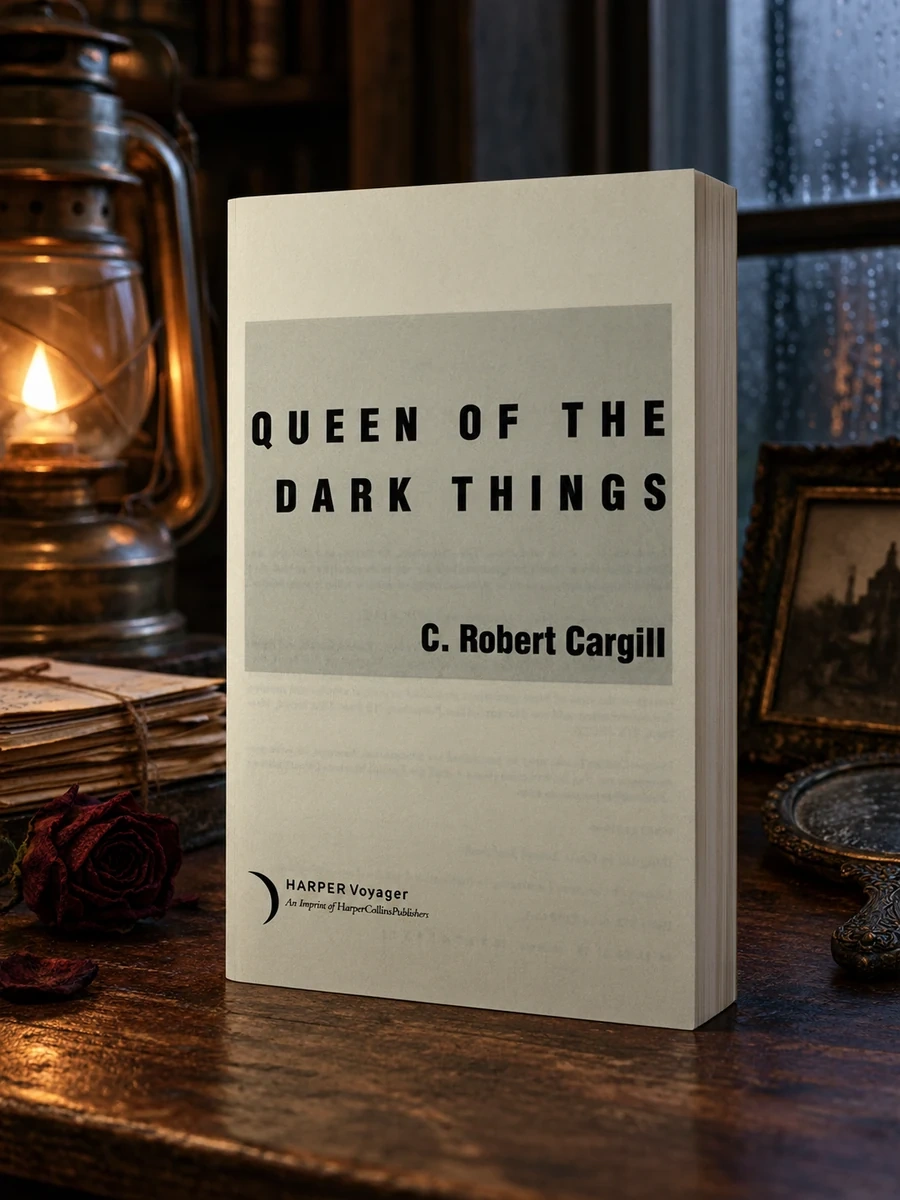
🏛 Books from this publisher Harper Voyager
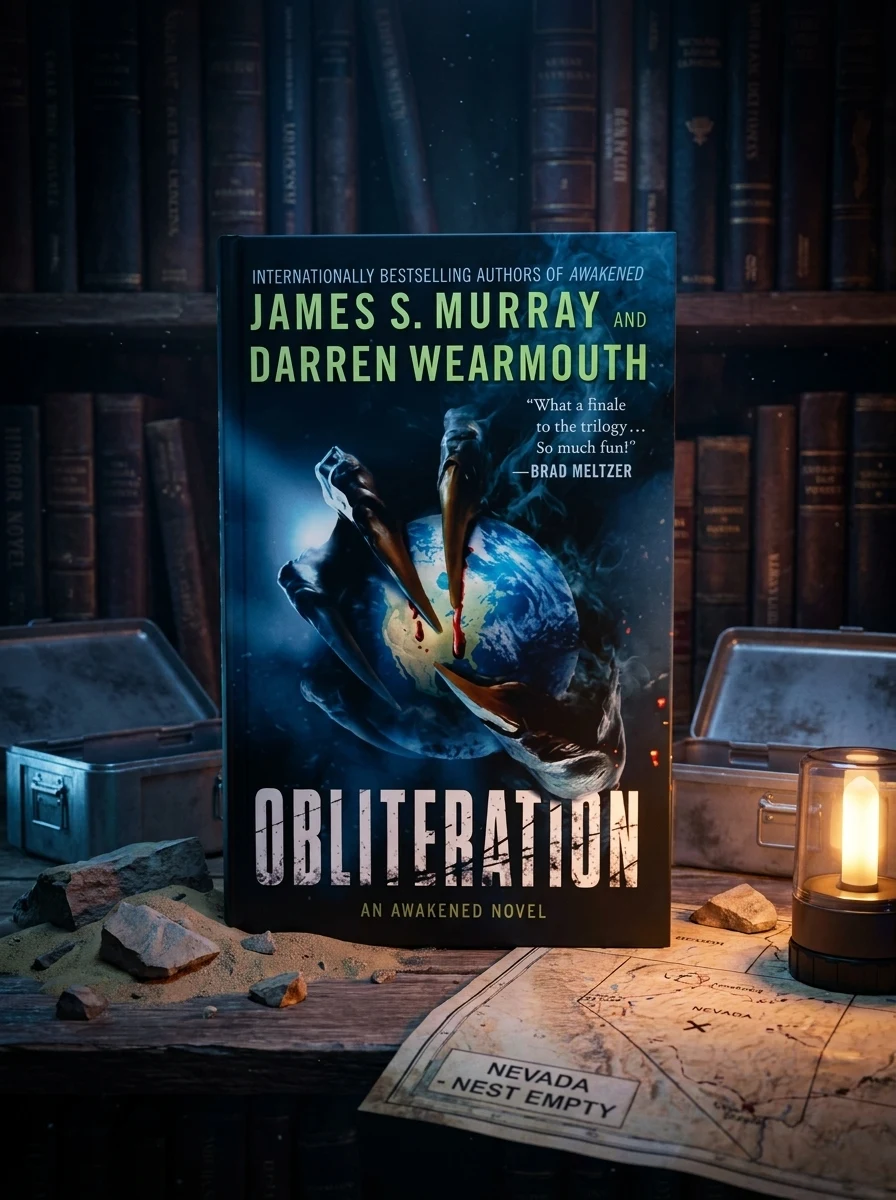
You might also like
See more →



Have a question about this item?
Ask about the edition, condition, delivery or anything else — we reply by email or phone, usually within a day.
