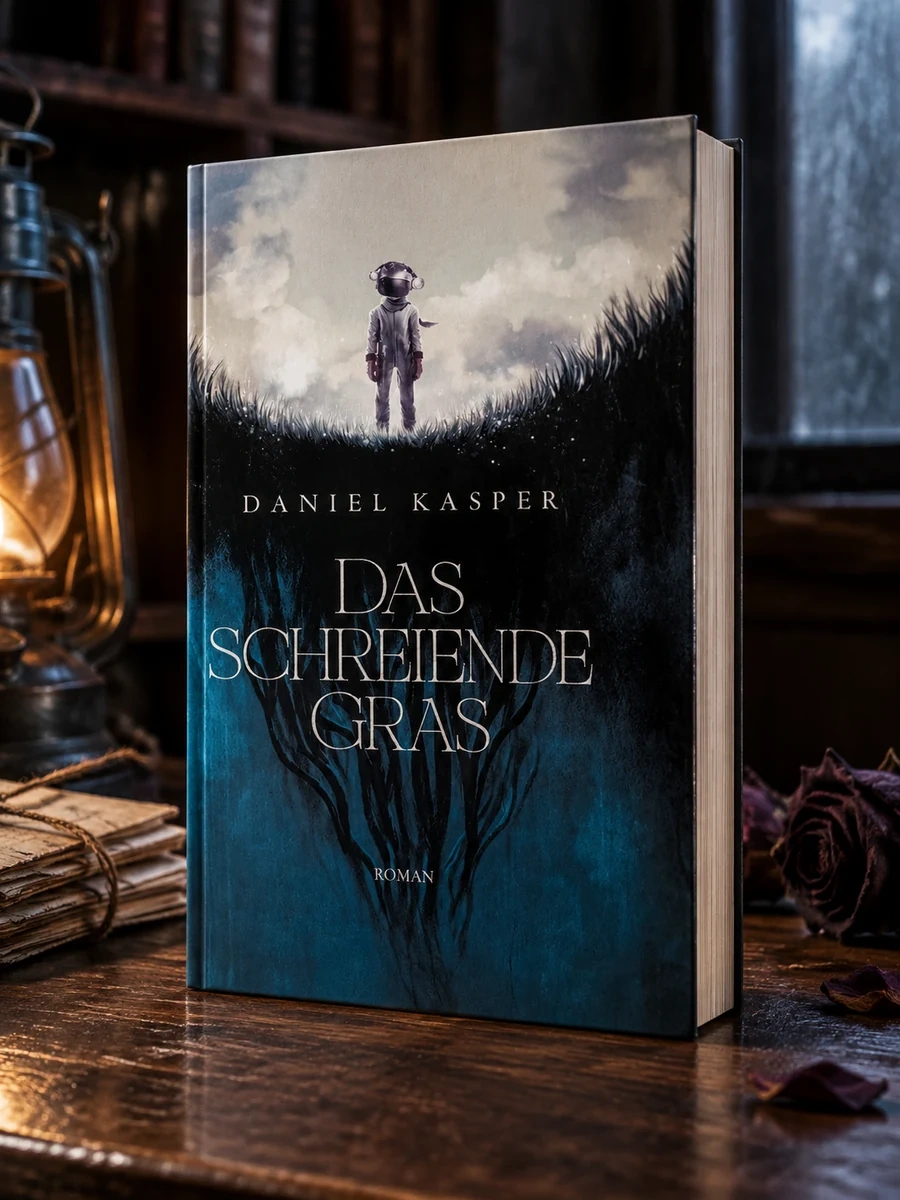
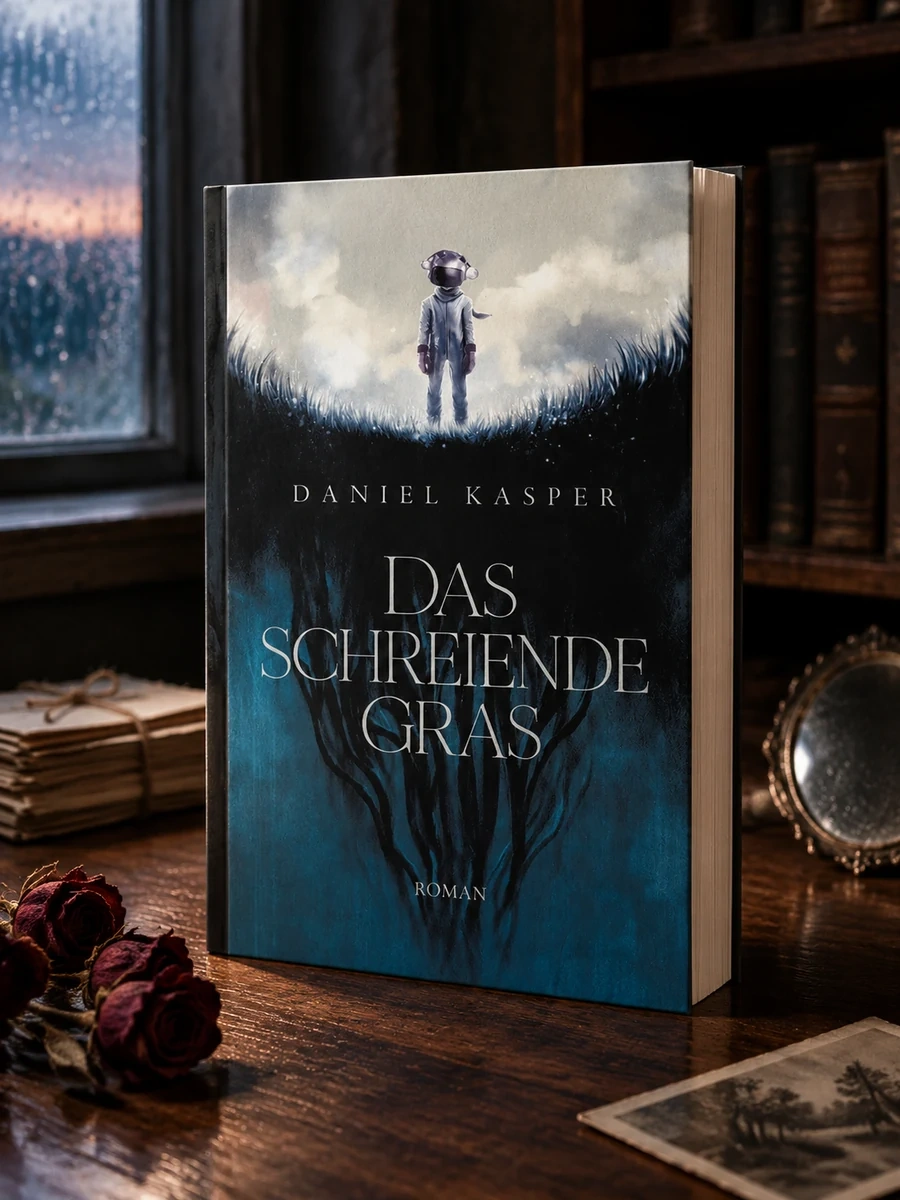
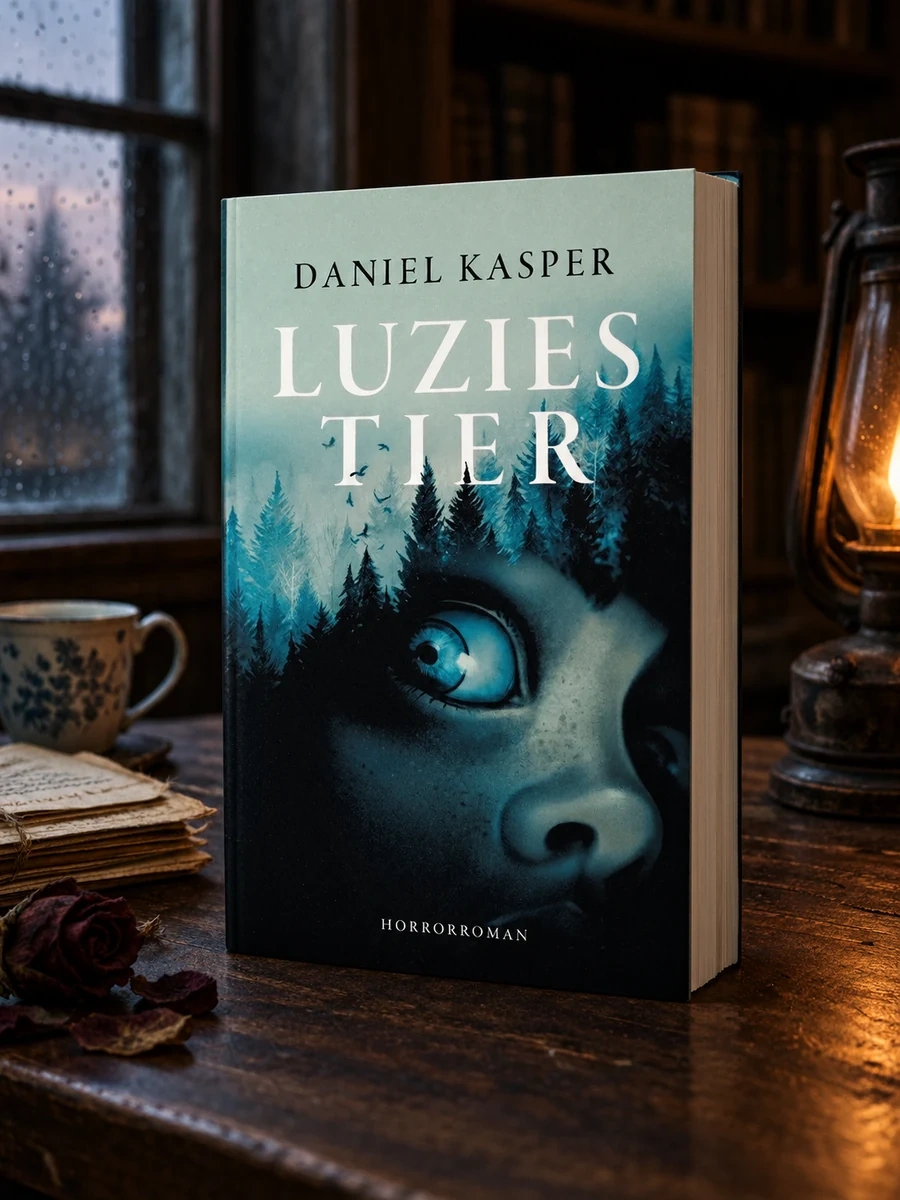
Das schreiende Gras
A boy kills a strange creature, triggering visions and a chase by a rival with a bolt gun.
The narrative centers on Jakob’s accidental killing of a flesh-flowered plant in the moor. This act summons a silver-suited figure who guides him toward darkness. Adam Boomhuis organizes the Tarantel Jäger to trace these events through mountain caves. Nick Frevel pursues them with the Totstempler bolt gun, driven by revenge. The plot converges at the flesh factory atop the mountain. Kasper uses this setup to examine how violence alters perception and relationships. The story blends detective procedural elements with surreal horror imagery.
This work emerges from contemporary German-language speculative fiction, specifically the Tredition Gmbh publishing line. It engages with European gothic traditions of monstrous nature and industrial horror. The setting relies on moors, forests, and mountain caves rather than urban landscapes.


📝 Description: Das schreiende Gras
💎 Our verdict on Das schreiende Gras
📖 Why choose it
Why this book is worth reading
This book offers a compelling experience for readers who appreciate the intersection of psychological thriller mechanics and visceral, surreal horror. Those who enjoy narratives where internal trauma manifests as physical grotesquery will find Jakob’s transformation deeply engaging. The dual perspective of a procedural investigation led by Adam Boomhuis provides structural clarity amidst the chaotic imagery of the flesh factory. It appeals to fans of dark fantasy who do not shy away from unsettling biological themes or moral ambiguity. The convergence of three distinct viewpoints—innocence, investigation, and vengeance—creates a layered tension that rewards attentive reading. If you seek stories where the environment itself is hostile and perception is unreliable, this narrative delivers a unique, atmospheric challenge.
⭐ Reader reviews
Reader rating
Kasper successfully blends detective procedural elements with surreal horror imagery to create a disorienting yet structured narrative. The exploration of how violence alters perception is handled with striking biological detail, particularly in the depiction of the flesh-flowered plant and the silver-suited figure. The text effectively uses gothic tropes to examine familial conflict and revenge without resorting to cheap shocks. However, the persistent grotesque imagery may alienate readers seeking traditional ghost stories or clean resolutions. It is best suited for those who enjoy body horror and psychological tension. The work stands as a serious contribution to dark fantasy, offering a dense, atmospheric experience that prioritizes thematic depth over conventional plot comfort.
📖 Read on the blog
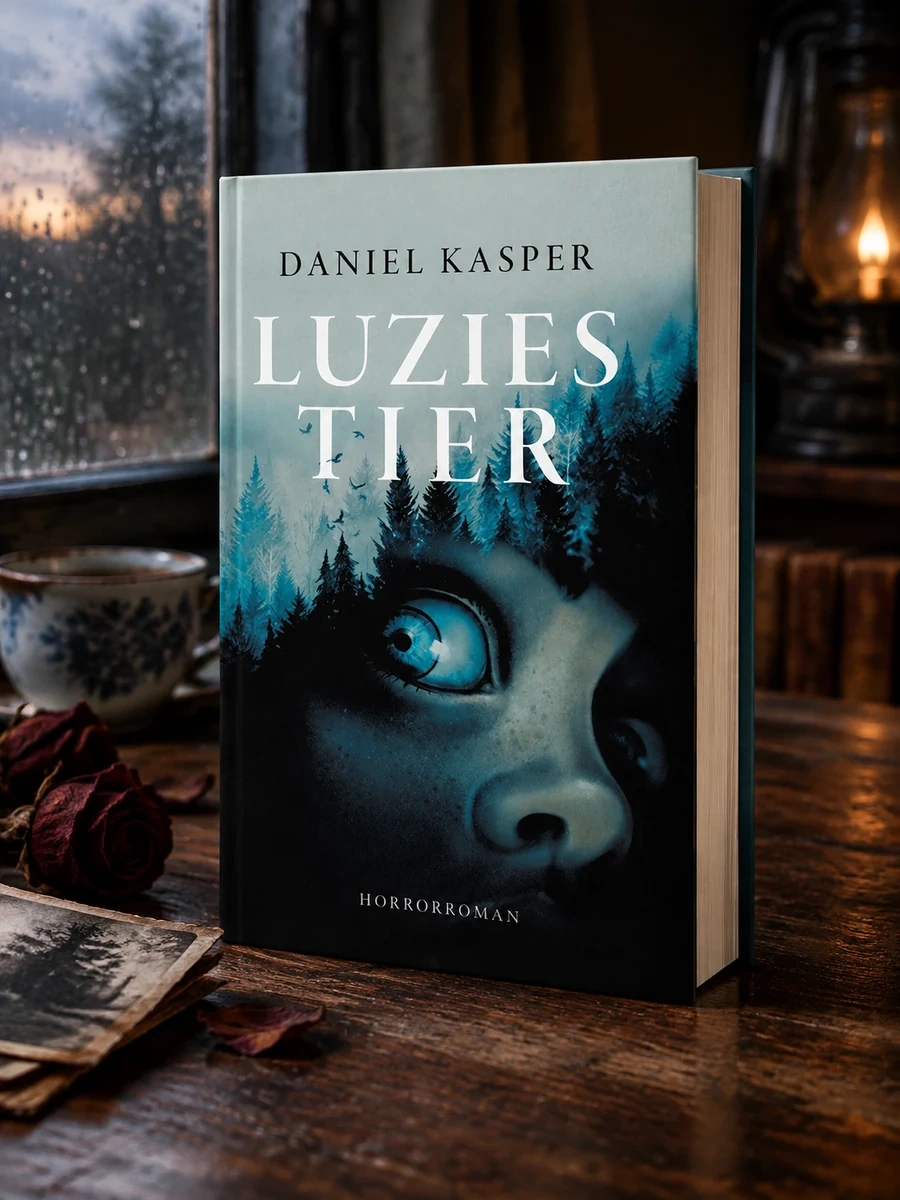
✍️ More books by this author Daniel Kasper


🏛 Books from this publisher Tredition Gmbh


You might also like
See more →

Have a question about this item?
Ask about the edition, condition, delivery or anything else — we reply by email or phone, usually within a day.
