Danza de los Diablos: Horror
A grieving veteran's curse revives his son for a sinister purpose in wintertime Russia.
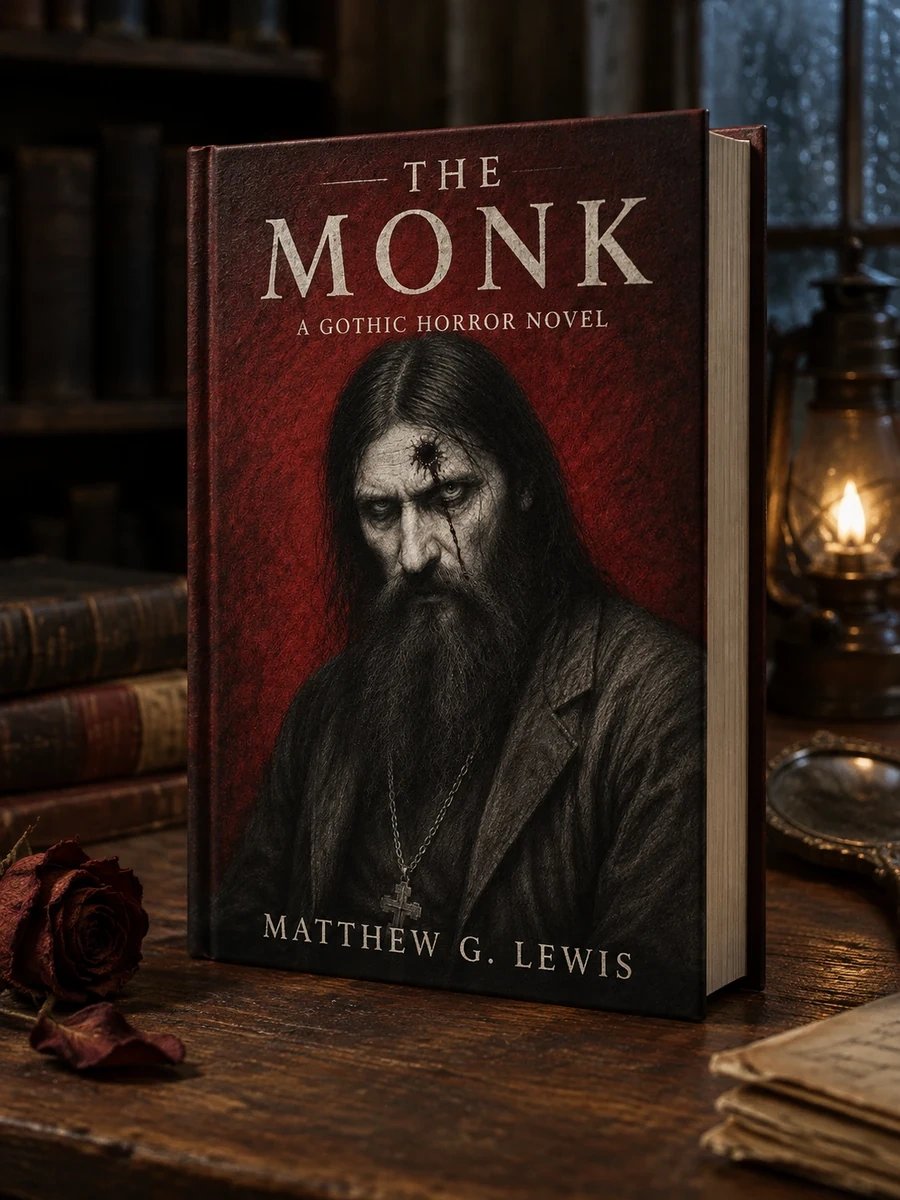
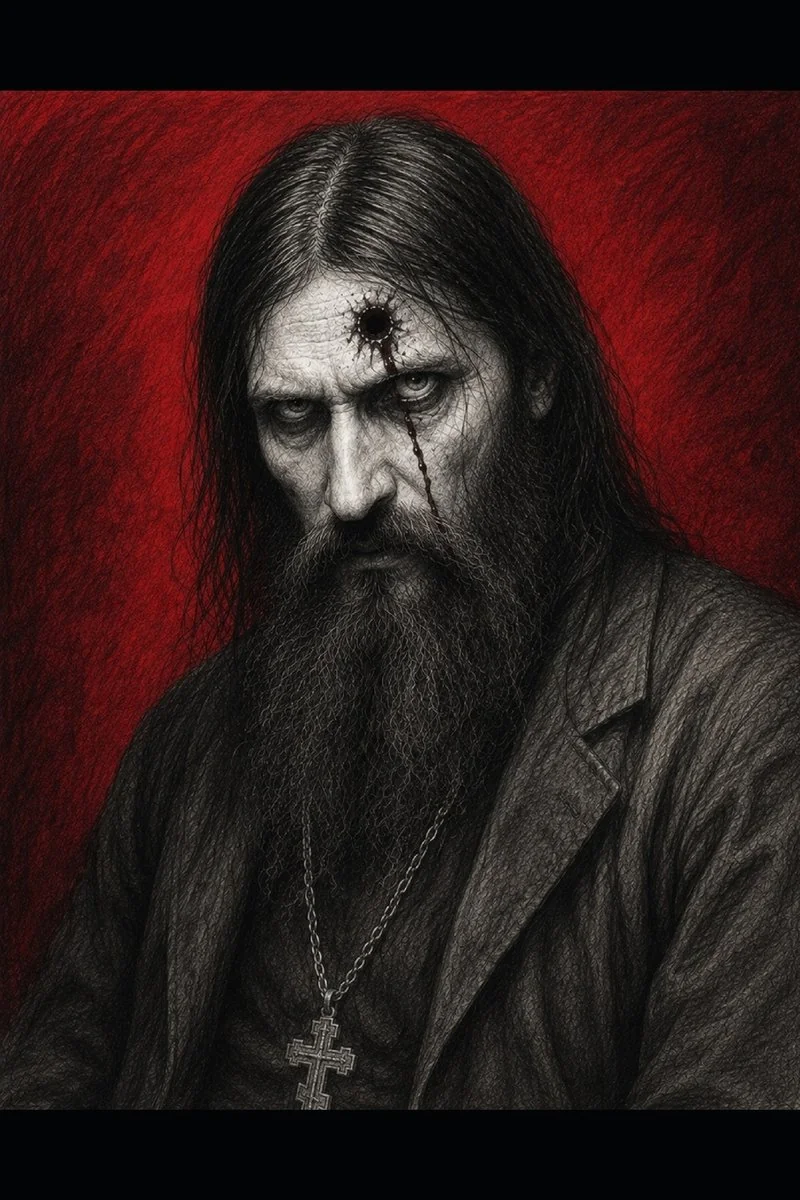
This novel examines the fragile boundary between miracle and nightmare. Cooke uses the setting of cold, isolated Russia to heighten the sense of dread surrounding the newborn child. The plot does not rely on traditional jump scares but rather on the slow realization that the family's loss has been weaponized. The presence of Rasputin adds a layer of historical weight to the supernatural elements. Readers interested in how trauma can manifest as external horror will find this narrative compelling. The focus remains tightly on the immediate consequences of Adrik's actions and the reactions of those around him. The story concludes with the full scope of the resurrection plan becoming clear, leaving the characters trapped in their new reality.
The narrative is firmly planted in wintertime Russia, drawing on gothic traditions and the historical figure of Grigori Rasputin. This setting provides a cold, oppressive backdrop for the supernatural events involving Adrik and Katya.


📝 Description: Danza de los Diablos: Horror
💎 Our verdict on Danza de los Diablos: Horror
📖 Why choose it
Why this book is worth reading
Readers who appreciate atmospheric psychological horror and the exploration of grief as a tangible, destructive force will find this narrative compelling. The book offers a unique perspective on how trauma can manifest as external horror, particularly for those interested in stories where personal tragedy intersects with historical supernatural elements. It appeals to fans of slow-burn dread rather than jump scares, providing a deep dive into the consequences of despair and necromancy. Those who enjoy tales involving possession and the fragility of reality amidst intense emotional weight will gain satisfaction from its tight focus on character dynamics and the sinister implications of the resurrection plan.
⭐ Reader reviews
Reader rating
M Cooke delivers a chilling gothic tale that effectively uses the isolation of wintertime Russia to amplify the sense of impending doom. By anchoring the supernatural horror in the raw, visceral pain of losing triplets, the author creates a palpable atmosphere of dread. The inclusion of Rasputin adds historical weight, grounding the fantastical elements in a recognizable cultural fear. The narrative excels in its slow realization that loss has been weaponized, avoiding cheap thrills for deeper psychological unease. This approach suits readers who prefer intellectual engagement with horror over visceral shock. It is a strong choice for those interested in necromancy, religious despair, and the dark intersections of trauma and faith.
📖 Read on the blog
🏛 Books from this publisher Independently Published








You might also like
See more →
Have a question about this item?
Ask about the edition, condition, delivery or anything else — we reply by email or phone, usually within a day.
