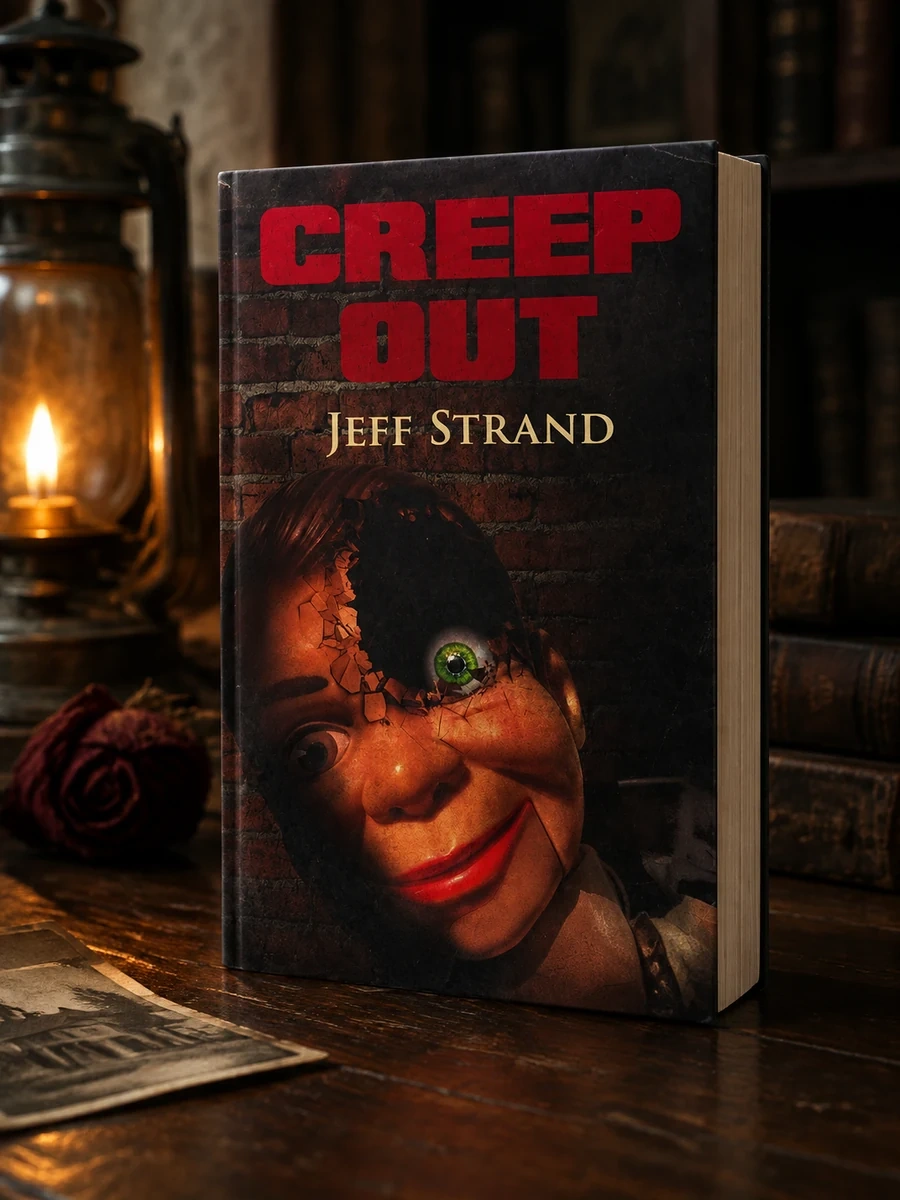
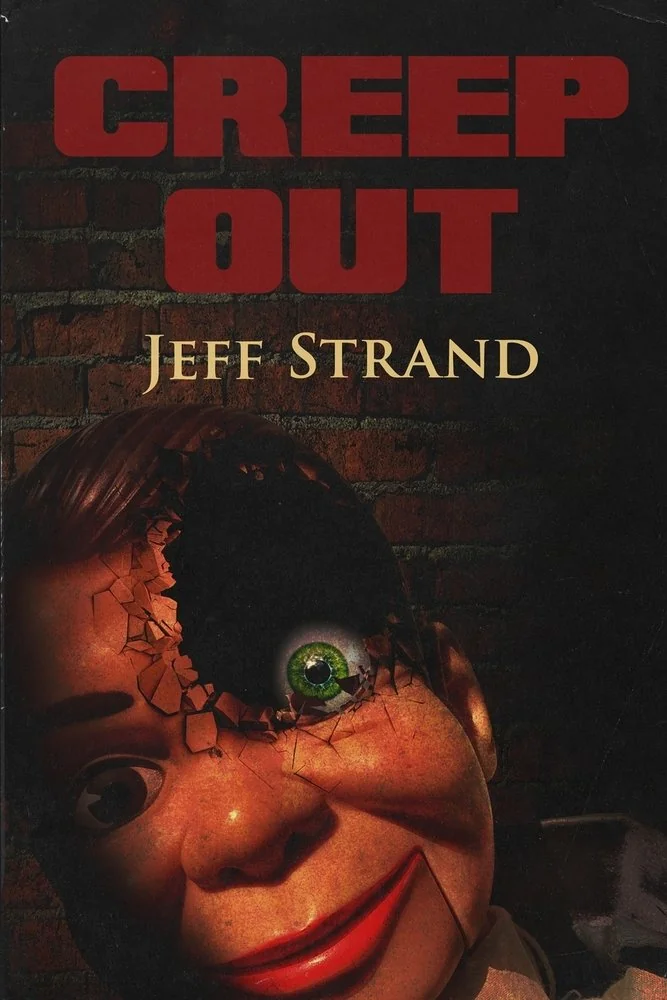
Creep Out
A man inherits a creepy dummy and faces a terrifying journey.
Strand explores the intersection of grief and supernatural horror through the character of Ezra. The narrative begins with a somber tone as he handles his father's funeral arrangements. The introduction of Virgil shifts the mood toward unease. The author uses the vehicle as a confined space to heighten anxiety. The dummy's silent presence becomes a source of mounting pressure. The accident serves as the turning point where control is lost. Ezra's inability to escape underscores the helplessness of the protagonist. The story does not rely on jump scares but on sustained tension. Strand demonstrates skill in building atmosphere through simple, direct prose. The relationship between man and object drives the conflict forward. The ending leaves the reader with a sense of lingering dread.
This work sits within the contemporary independent horror fiction market published in 2024. It draws on the long-standing American tradition of folk horror and cursed object narratives. The story reflects modern anxieties about isolation and the supernatural encroaching on daily life.


📝 Description: Creep Out
💎 Our verdict on Creep Out
📖 Why choose it
Why this book is worth reading
Readers who appreciate psychological tension and the slow burn of supernatural fiction will find this compact novel highly rewarding. It is ideal for those who enjoy stories centered on cursed artifacts and the helplessness of isolation. The narrative offers a stark, effective transition from melancholic grief to sudden terror without relying on explicit gore or jump scares. Fans of atmospheric dread and classic horror tropes involving ventriloquist dummies will appreciate Strand's skill in building unease through simple, direct prose. It serves as a focused exploration of fear, making it suitable for readers seeking a chilling but accessible experience that prioritizes mood over complex subplots.
⭐ Reader reviews
Reader rating
Strand demonstrates considerable skill in building atmosphere through straightforward prose, creating a sense of lingering dread that lingers long after the final page. By using the confined space of a vehicle to heighten anxiety, he effectively underscores the protagonist's helplessness against an unnerving, silent presence. The story avoids cheap thrills, instead relying on sustained tension and the unsettling nature of the dummy's silent judgment. This approach suits readers who prefer psychological horror over visceral gore. While it may not appeal to those seeking lighthearted tales or romantic subplots, it stands as a strong entry in the genre for fans of isolated travel narratives and haunted object tropes.
📖 Read on the blog
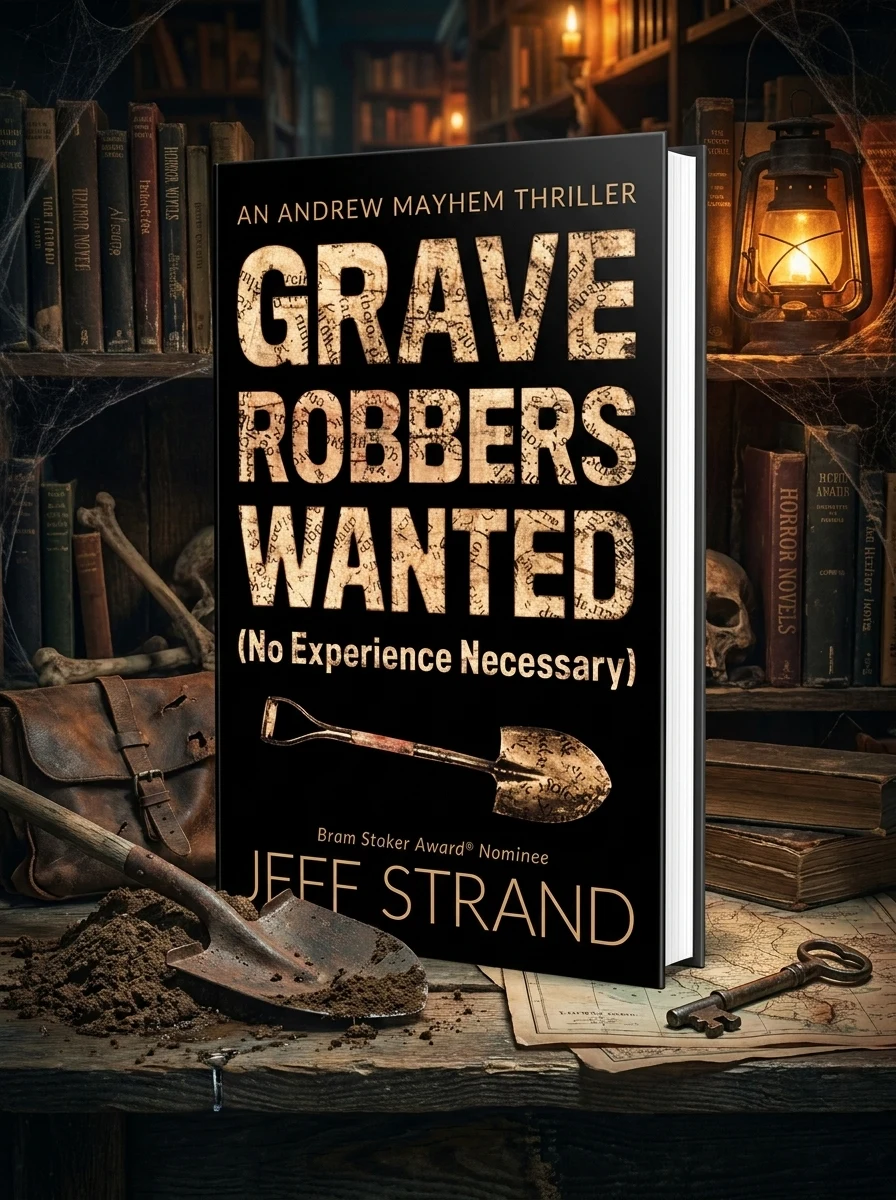
✍️ More books by this author Jeff Strand




🏛 Books from this publisher Independently Published






You might also like
See more →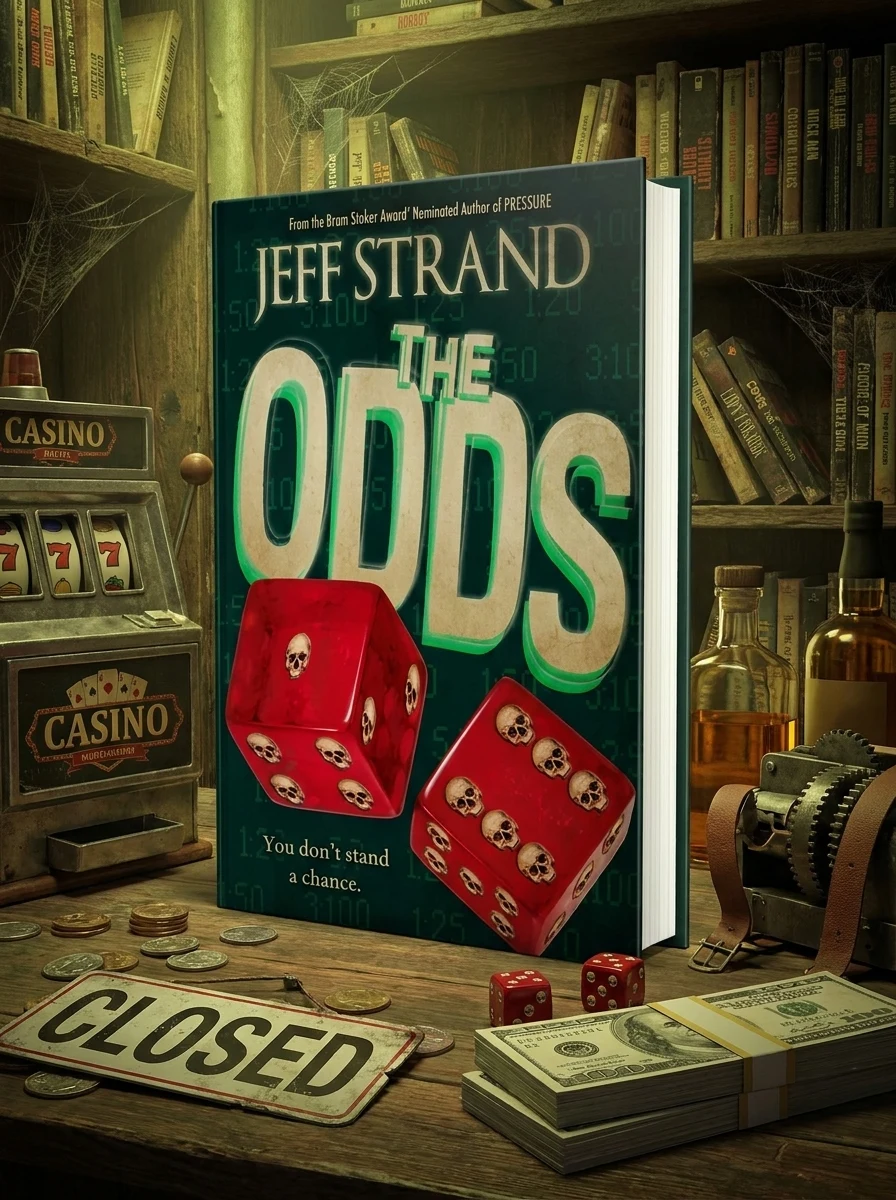


Have a question about this item?
Ask about the edition, condition, delivery or anything else — we reply by email or phone, usually within a day.
