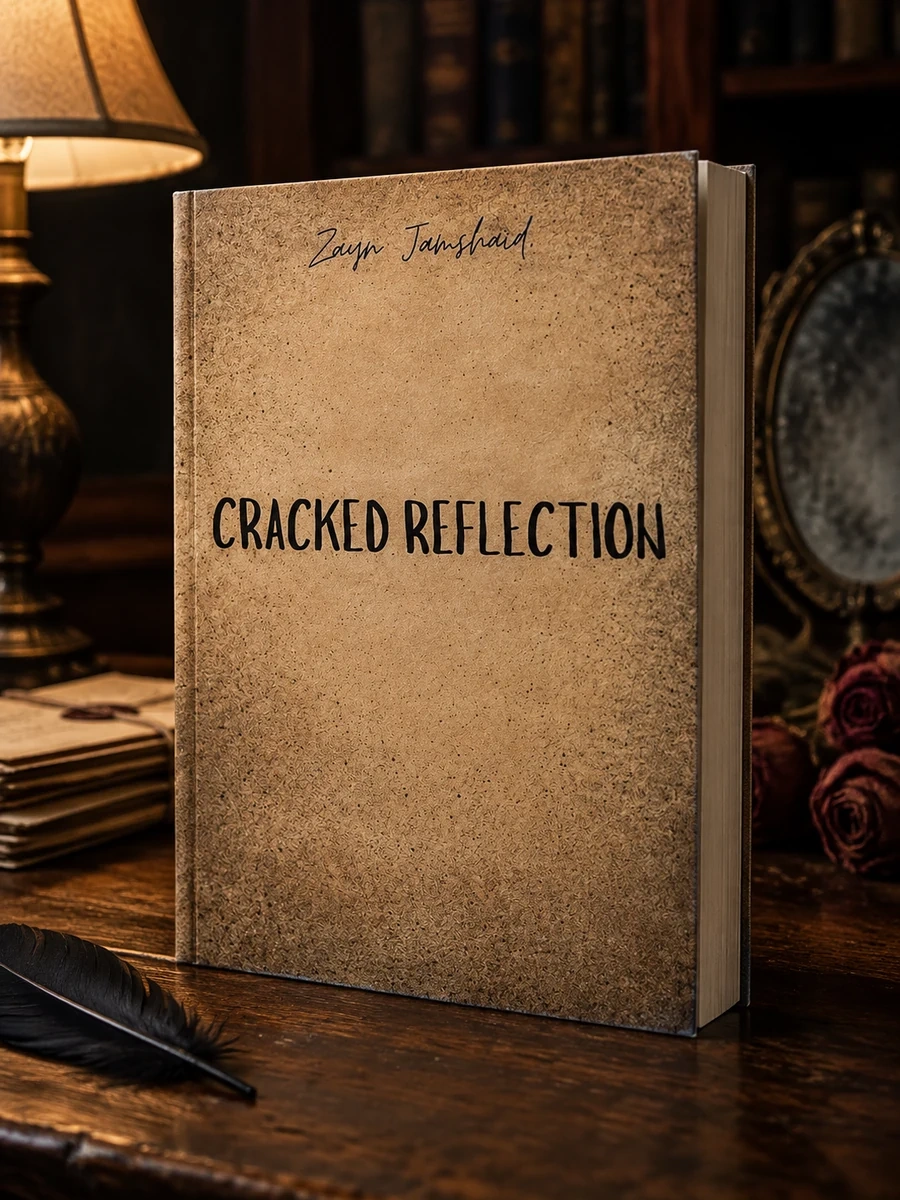
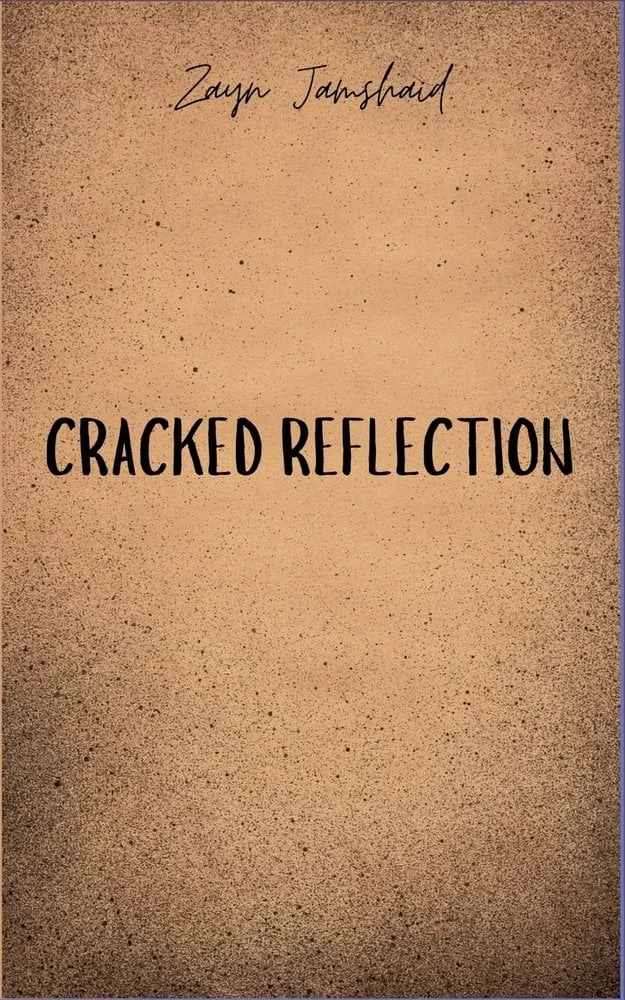
Cracked Reflection
A detective investigates a disappearance linked to a mirror that reveals dark secrets in Crestfall.
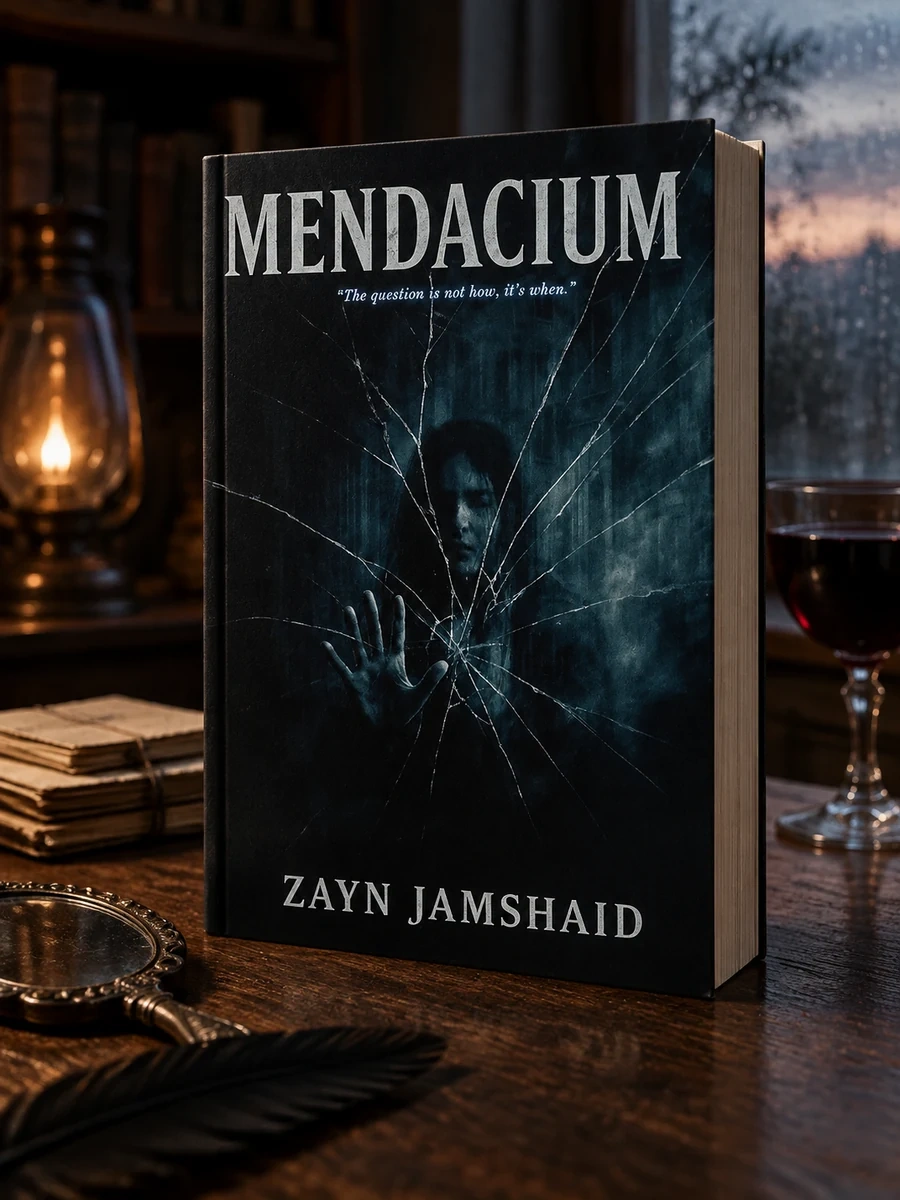
The novel centers on Jessica Smith vanishing from Crestfall, prompting Detective Sarah Lawson and Gregg McAlaney to investigate. They encounter legends about a haunted mirror that forces individuals to face their deepest fears. Sarah’s personal history with her father’s fatal fire becomes central to the plot as the mirror reflects her regrets. The story explores the intersection of police work and supernatural horror, showing how the artifact manipulates reality to trap its victims. Jamshaid uses this premise to examine guilt and loss within a gothic framework.
The story is set in Crestfall, a fictional American town where local legends blur with reality. Published in 2024 by Zayn, it draws on the tradition of haunted object folklore and psychological horror, placing supernatural elements within a contemporary police procedural structure.


📝 Description: Cracked Reflection
💎 Our verdict on Cracked Reflection
📖 Why choose it
Why this book is worth reading
Readers who appreciate the intersection of police procedure and supernatural horror will find this book compelling. It offers a tense exploration of how personal grief can be weaponized by external forces, creating an immersive experience for those who enjoy atmospheric settings over fast-paced action. The narrative provides a deep dive into character psychology, making it ideal for fans of gothic frameworks that examine loss and regret. Those seeking solutions rooted in the supernatural rather than scientific explanation will find the premise satisfying. The book suits individuals who value the tension between tangible evidence and intangible fears, offering a slow-burn dread that rewards patience with emotional resonance.
⭐ Reader reviews
Reader rating
Zayn Jamshaid delivers a haunting tale where the haunted mirror acts as a catalyst for psychological unraveling rather than mere jump scares. The novel excels in weaving Detective Sarah Lawson’s personal tragedy regarding her father’s fire into the broader mystery, creating a cohesive link between past trauma and present danger. The atmosphere is thick with fog and folklore, effectively obscuring reality to heighten the horror. This approach suits readers who prefer character-driven dread over visceral gore. While it may disappoint those seeking rapid action or rational explanations, it succeeds as a study of guilt and fear. The procedural elements ground the supernatural events, making the escalation of threats feel earned and impactful for fans of thoughtful, eerie fiction.