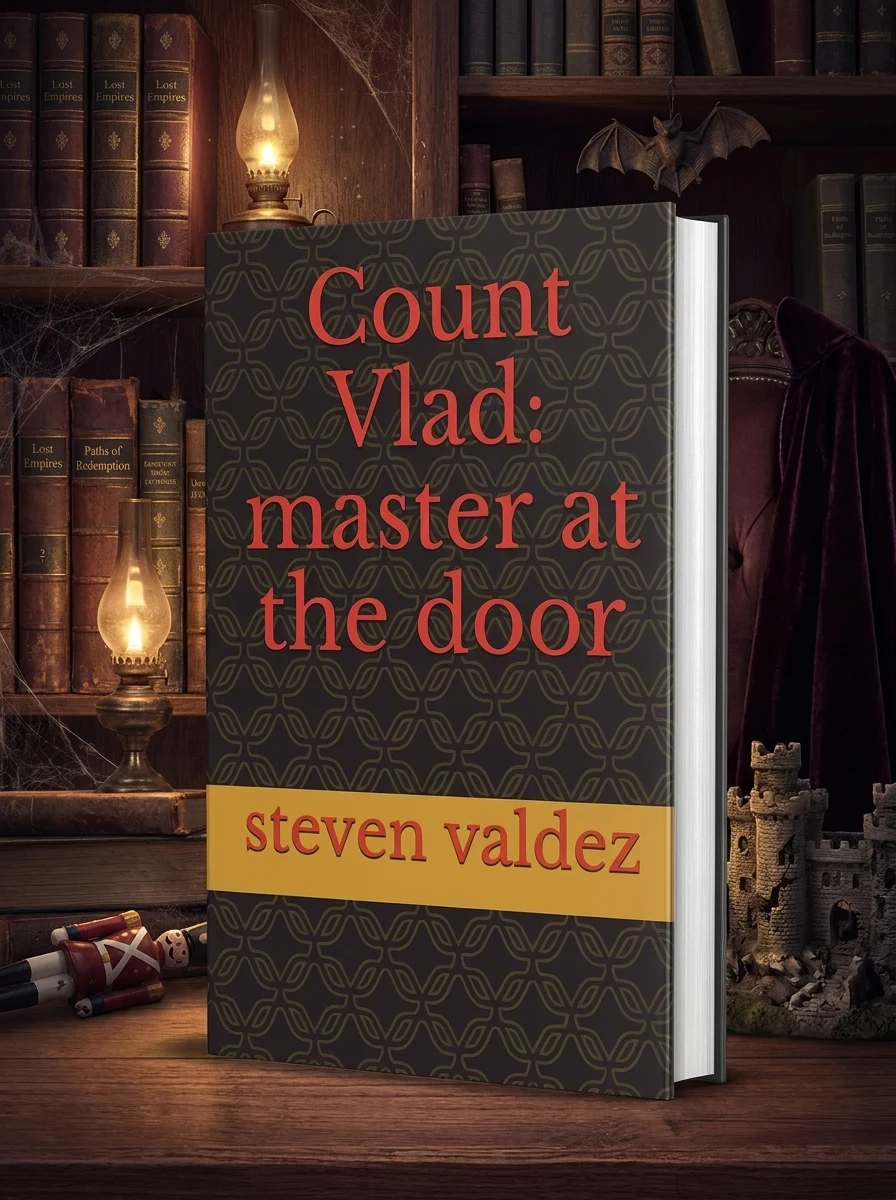
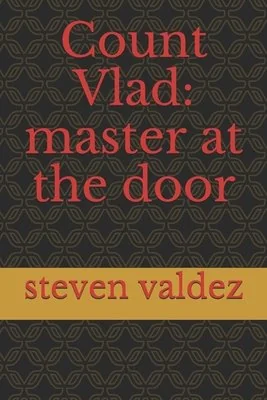
Count Vlad: master at the door
A fictional prequel detailing Count Dracula's rise to power.
This work functions as an origin story for one of literature's most famous villains. Valdez constructs a narrative that begins with potential and ends in darkness. The plot centers on the psychological shift required to become a monster. It avoids glorifying violence, instead focusing on the internal cost of reclaiming lost status. The author uses the familiar figure of Dracula to examine the nature of redemption. The text suggests that power is often bought with great personal sacrifice. This angle appeals to readers who enjoy character-driven horror. It provides context for the villain's motivations without relying on modern tropes.
The book sits within the tradition of gothic supernatural fiction. It reimagines the Count Dracula legend from a prequel perspective. Published independently in 2020, it joins other works that explore the backstory of classic horror icons. The narrative draws on established vampire lore to create a new entry point for fans.


📝 Description: Count Vlad: master at the door
💎 Our verdict on Count Vlad: master at the door
📖 Why choose it
Why this book is worth reading
Readers who appreciate character-driven horror and the psychological depths of classic villains will find this narrative compelling. It appeals to those interested in the internal cost of power and the nature of redemption, offering a fresh perspective on a familiar figure. The book is ideal for fans of gothic traditions who prefer exploring motivation over mere gore. It provides context for Dracula’s rise without relying on modern tropes, making it suitable for audiences seeking literary interpretation of legendary monsters rather than historical accuracy.
⭐ Reader reviews
Reader rating
Valdez constructs a poignant origin story that focuses on the psychological shift required to become a monster. By tracing the protagonist's descent from innocence to monstrosity, the text examines the heavy price of reclaiming lost status. The narrative avoids glorifying violence, instead highlighting the internal struggle and sacrifice inherent in such a transformation. This approach suits readers who enjoy deep character studies within the vampire genre. It offers a relevant look at the backstory of classic horror figures through a literary lens. Those seeking historical fact about Vlad the Impaler may find the fictionalized angle unsuitable, but fans of gothic atmosphere will appreciate the thematic depth and emotional resonance presented here.