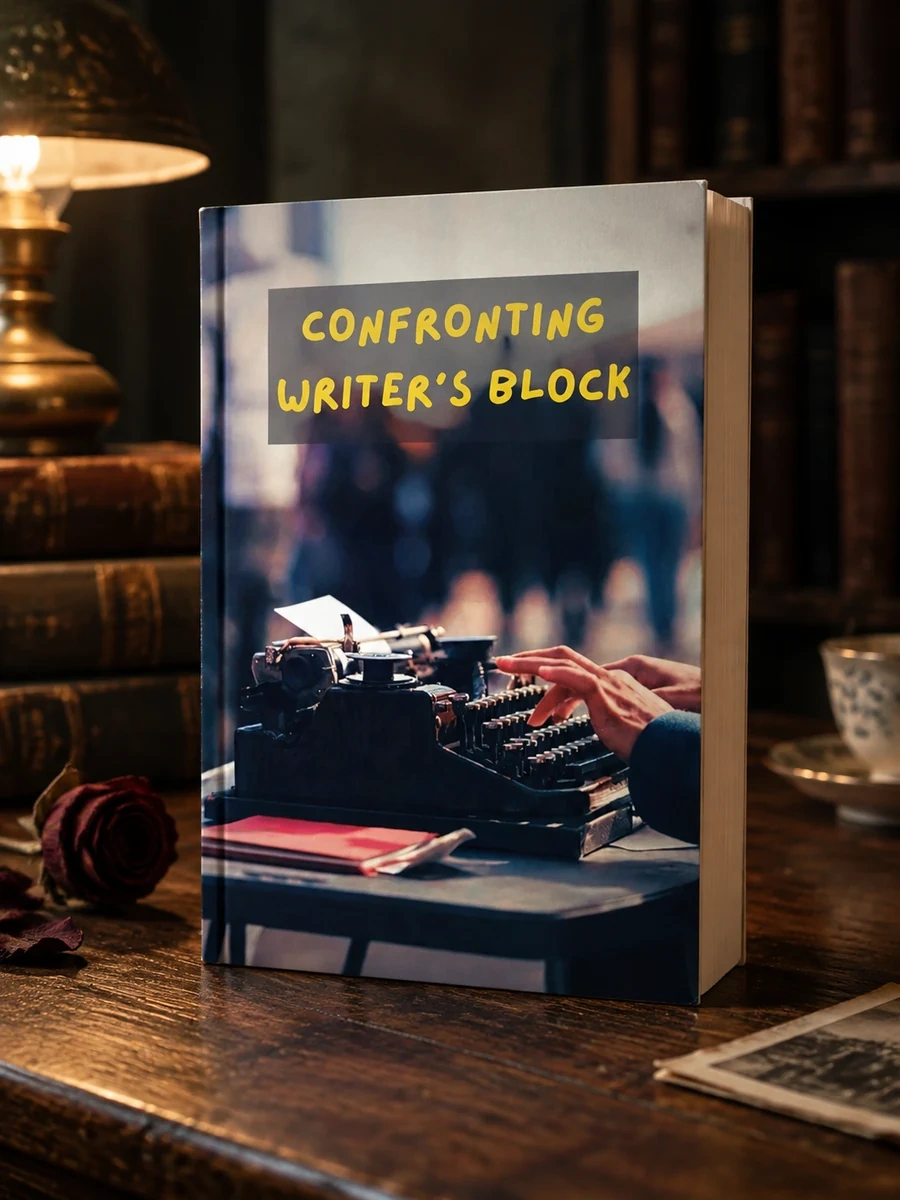
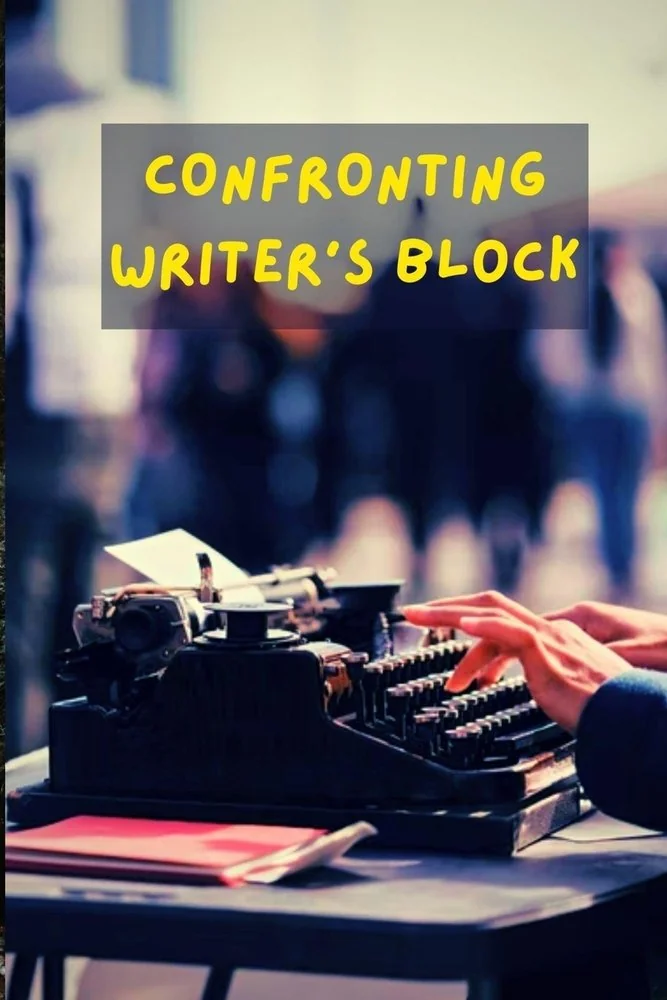
Confronting Writer's Block
A writer returns home to find his old neighborhood haunted by strange entities.
The book follows a man grappling with the inability to write. He travels back to Amber Rivers, hoping the familiar surroundings will spark new inspiration. Instead of comfort, he encounters a town altered by unseen presences. The narrative focuses on his internal monologue and his reliance on subconscious thought. As he explores the streets, the boundary between his mental state and the physical world dissolves. The presence of wandering things suggests that his creative block is linked to supernatural forces. Tahir uses this premise to explore how past environments can trigger present fears. The story remains grounded in the protagonist's perspective, making the horror feel personal and immediate.
Published independently in 2022, this work sits within the modern tradition of psychological horror. It reflects a contemporary interest in the intersection of mental health and supernatural fiction. The setting of Amber Rivers allows for a localized exploration of gothic themes without relying on historical periods.


📝 Description: Confronting Writer's Block
💎 Our verdict on Confronting Writer's Block
📖 Why choose it
Why this book is worth reading
Readers who appreciate atmospheric tales where the setting acts as an antagonist will find this narrative compelling. It is ideal for those interested in the intersection of creative struggle and supernatural horror, offering a grounded perspective on how past environments trigger present fears. The book suits individuals who enjoy internal monologues that dissolve the boundary between mental state and physical reality. Those seeking fast-paced action or clear resolutions may find it less appealing, but fans of slow-burn tension and psychological depth will gain from its immersive exploration of memory and horror.
⭐ Reader reviews
Reader rating
Tahir effectively utilizes the premise of writer's block to create a personal and immediate sense of dread. The narrative excels in blurring the lines between the protagonist's internal silence and the external wandering entities, making the horror feel deeply rooted in psychological decay. By mirroring the physical landscape with the author's mental state, the story creates a tense atmosphere where memory becomes a source of terror. This approach appeals strongly to readers who enjoy gothic traditions and cosmic unease. The lack of easy solutions adds to the realism of the creative struggle, though it may frustrate those preferring definitive endings. Ultimately, it is a solid entry for enthusiasts of psychological horror.
📖 Read on the blog
🏛 Books from this publisher Independently Published








You might also like
See more →
Have a question about this item?
Ask about the edition, condition, delivery or anything else — we reply by email or phone, usually within a day.
