Comment se debarrasser (encore et toujours) d'un spectre sans gene ?
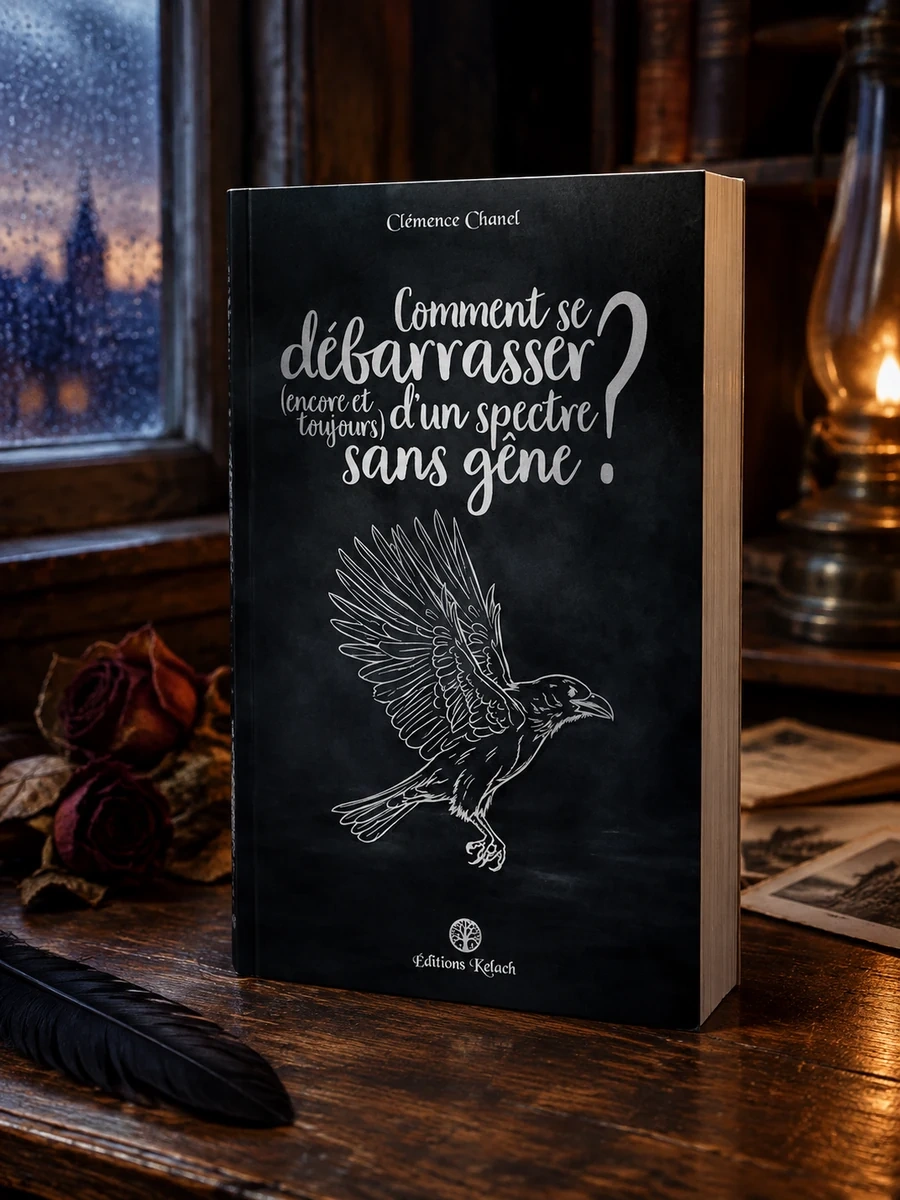
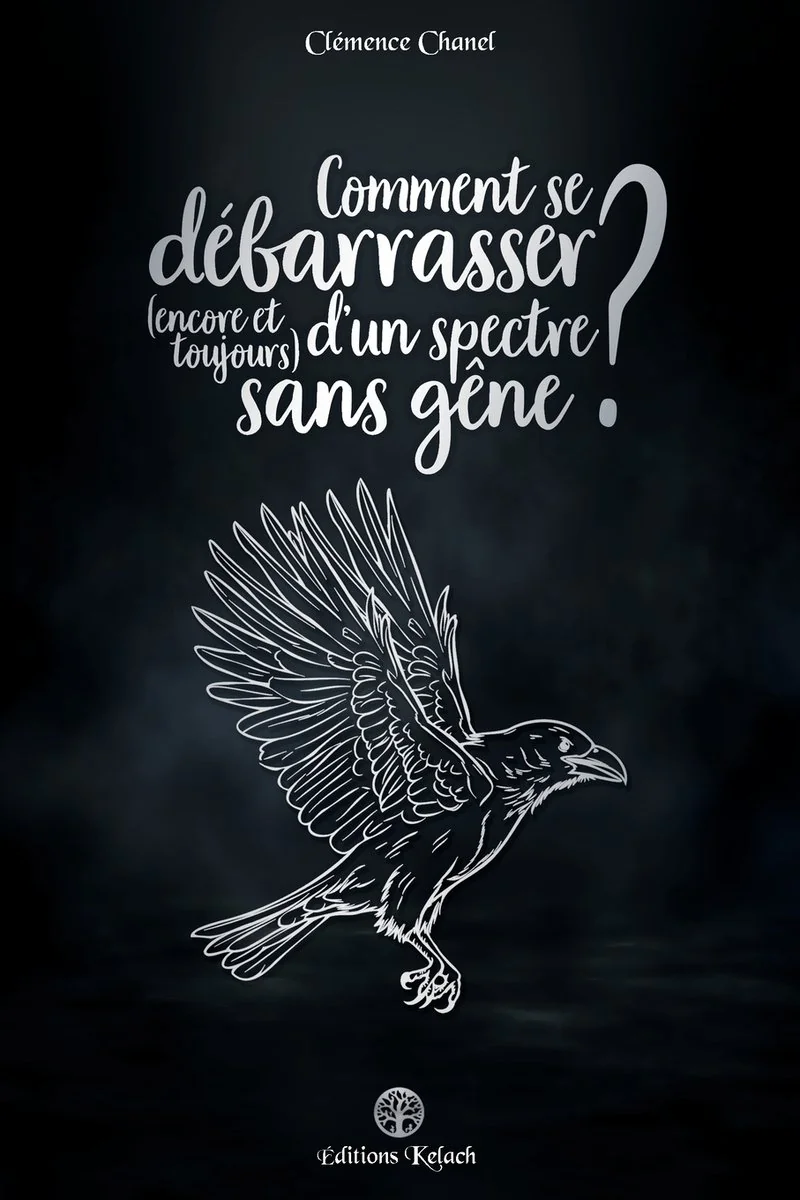
A stepmother returns as a ghost, prompting her stepson to consult a raven for relief.
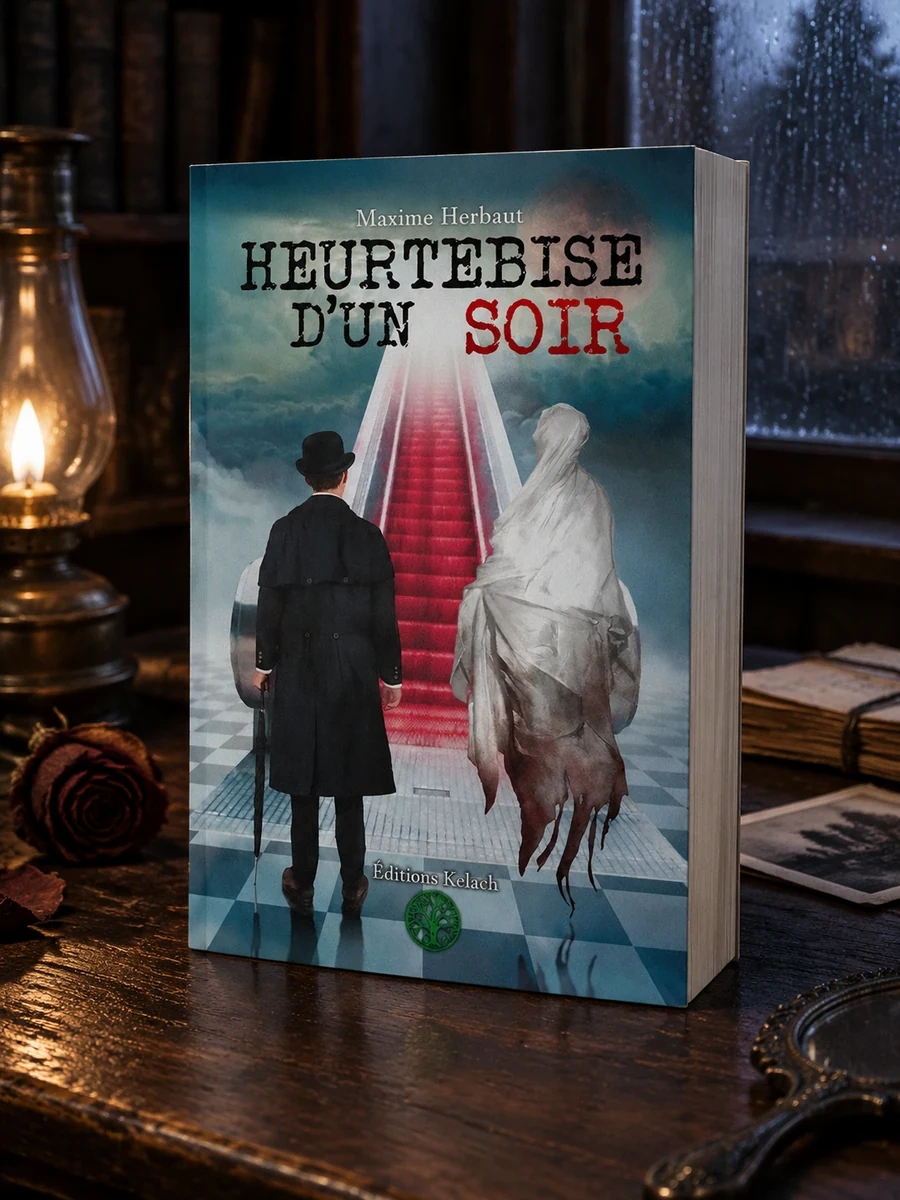
The plot centers on Victio’s initial joy at his stepmother’s death by fire. His relief turns to dread when she manifests as a specter. Eusebe the raven provides the means to address this haunting. The text examines the cycle of judgment and the supernatural persistence of family dynamics. Chanel uses the familiar raven trope to offer practical, albeit strange, remedies for spiritual pests. The story highlights the irony of seeking freedom only to find it blocked by the dead. It is a tale of domestic annoyance amplified by the paranormal.
Published in France by Editions Kelach in February 2024, this work draws on European gothic traditions involving familiar spirits and spectral revenge. It reflects a modern take on classic supernatural folklore within the context of contemporary French horror fiction.


📝 Description: Comment se debarrasser (encore et toujours) d'un spectre sans gene ?
💎 Our verdict on Comment se debarrasser (encore et toujours) d'un spectre sans gene ?
📖 Why choose it
Why this book is worth reading
Readers who appreciate the absurdity of domestic life amplified by the paranormal will find particular satisfaction in this narrative. It is ideal for those who enjoy gothic humor and tales where magical remedies are applied to personal troubles. The book offers a refreshing take on familial conflict, exploring how judgment persists beyond death. Those seeking serious horror without comedic elements may find it lacking, but fans of dark comedy will relish the dynamic between a frustrated protagonist and his feathered advisor. It appeals to anyone interested in the ironic consequences of seeking freedom from oppressive relationships.
⭐ Reader reviews
Reader rating
Chanel delivers a sharply witty exploration of posthumous interference, turning the specter trope into a vehicle for domestic satire. The narrative excels in its portrayal of Victio’s plight, balancing genuine dread with the comedic frustration of dealing with an unwanted guest. The inclusion of Eusebe the raven adds a unique layer to the familiar spirit tradition, offering practical yet strange solutions to spiritual pests. This approach makes the supernatural feel mundanely annoying rather than purely terrifying. The story is best suited for readers who enjoy dark comedy and gothic humor. It effectively highlights the irony of finding freedom blocked by the dead, providing a fresh perspective on family dynamics that lingers long after the final page.