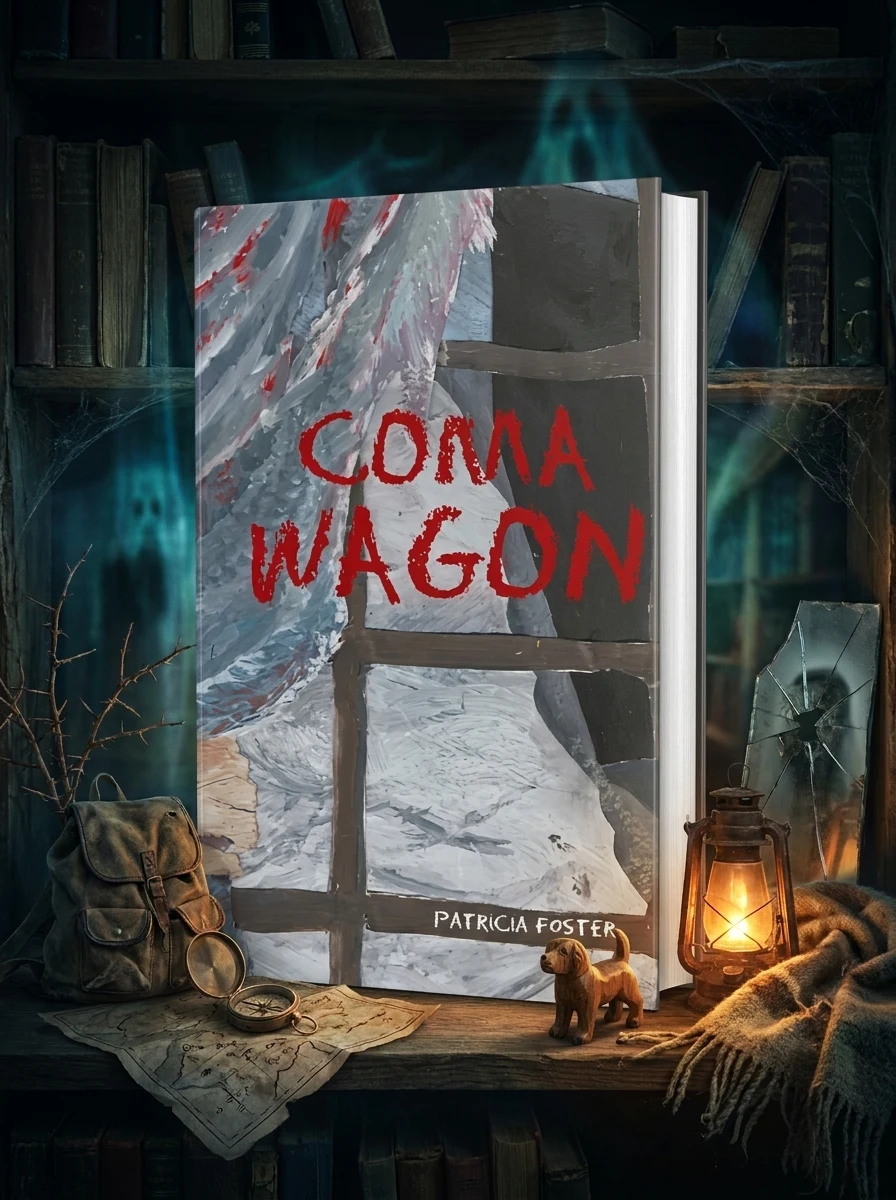
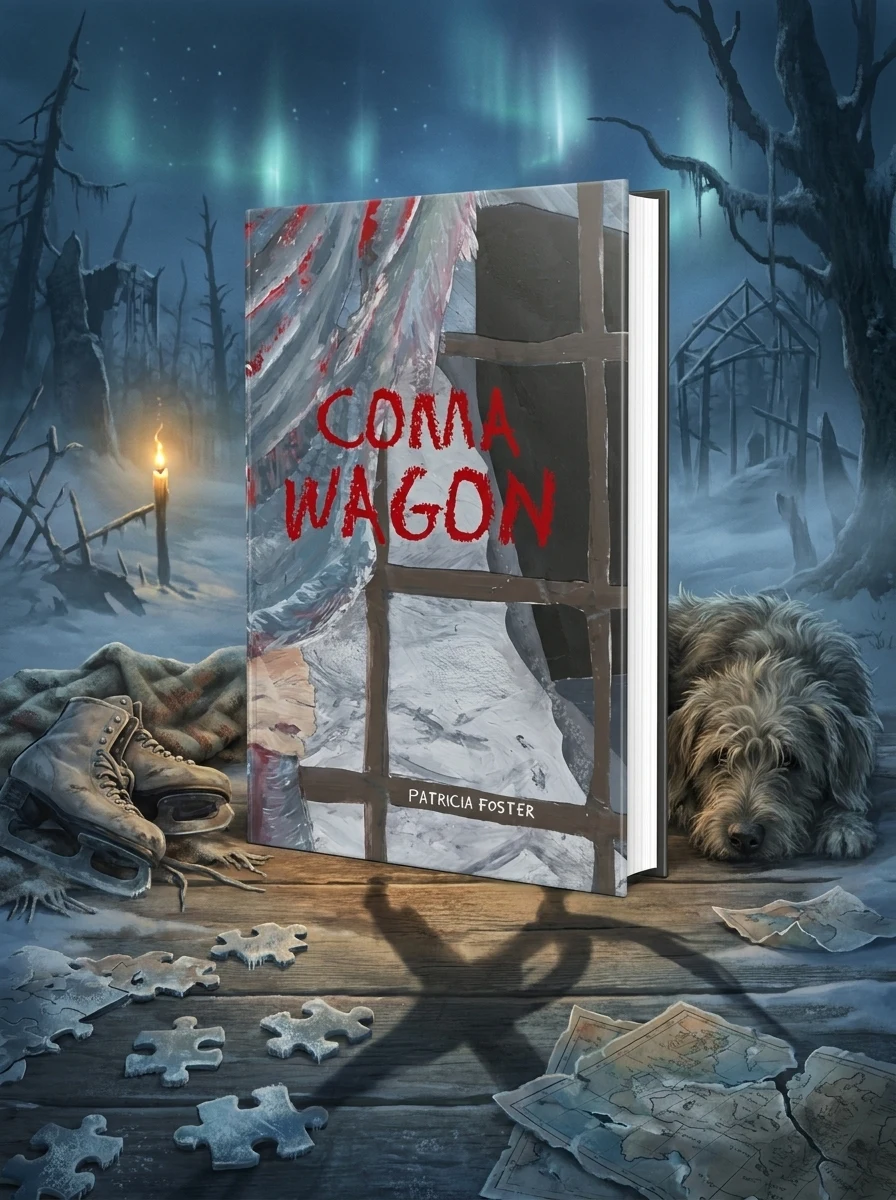
Coma Wagon
A survival story following Jeanette through a nightmare landscape with her dog Rufus.
The narrative tracks Jeanette’s desperate efforts to maintain her sanity while navigating a world where the impossible becomes real. She relies on Rufus for support as she encounters entities that should not exist. The plot focuses on her internal battle against fear and doubt, rather than external combat. As her memories of the past disappear, she must confront the present horror alone yet with her companion. The story does not offer easy answers but instead immerses the reader in a continuous state of dread and uncertainty.
Published by Authorhouse in 2013, this title sits within contemporary horror fiction. It engages with gothic traditions of isolation and supernatural intrusion. The work reflects modern anxieties about losing one's grip on reality. It appeals to fans of dark, atmospheric storytelling that prioritizes mood over plot clarity.


📝 Description: Coma Wagon
💎 Our verdict on Coma Wagon
📖 Why choose it
Why this book is worth reading
Readers seeking an immersive, unsettling experience will find value in this narrative’s focus on psychological endurance rather than traditional heroism. It appeals to those who appreciate horror that blurs the line between sanity and madness, offering a stark exploration of survival when one's world collapses. The story is ideal for individuals comfortable with ambiguity and continuous dread, as it refuses to provide easy answers or clear resolutions. Fans of cosmic and psychological horror will engage with the depiction of a protagonist battling fear and doubt while navigating impossible phenomena. The presence of a loyal companion adds emotional weight to the isolation, making the struggle against an encroaching, inexplicable darkness both personal and profound for those willing to endure its nightmarish tone.
⭐ Reader reviews
Reader rating
Foster constructs a tense portrait of survival where sanity is the primary casualty. By focusing on Jeanette’s internal battle against fear and the erosion of memory, the book avoids conventional action tropes in favor of sustained psychological pressure. The narrative effectively immerses the reader in uncertainty, challenging them to empathize with a protagonist whose reality is actively disintegrating. While the lack of resolution may frustrate those seeking closure or adventure, it serves the story’s gothic and supernatural themes perfectly. The relationship with Rufus provides a crucial anchor amidst the chaos, highlighting the human need for connection even in despair. This is a compelling choice for horror enthusiasts who enjoy atmospheric dread and complex explorations of the mind under extreme duress, delivering a poignant look at endurance in the face of the inexplicable.
📖 Read on the blog
✍️ More books by this author Patricia Foster


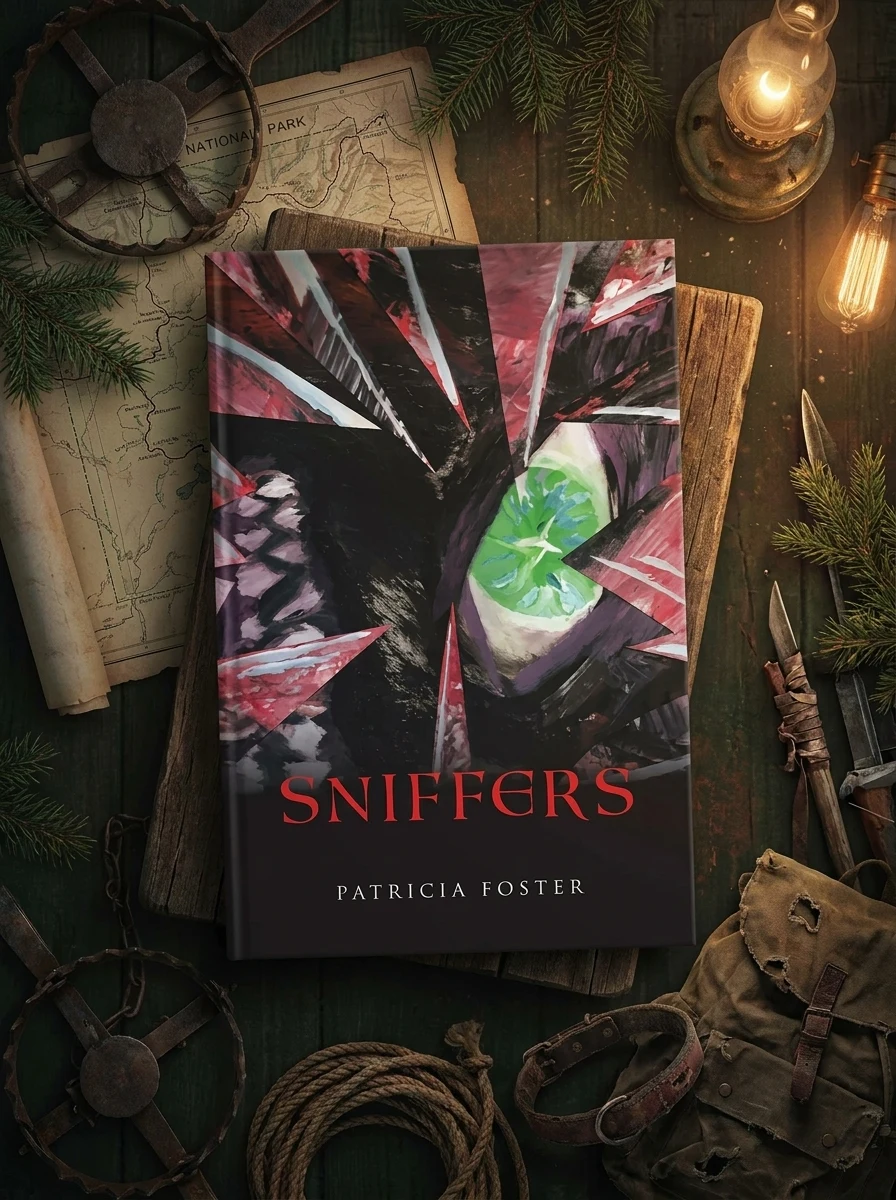
🏛 Books from this publisher Authorhouse

You might also like
See more →


Have a question about this item?
Ask about the edition, condition, delivery or anything else — we reply by email or phone, usually within a day.
