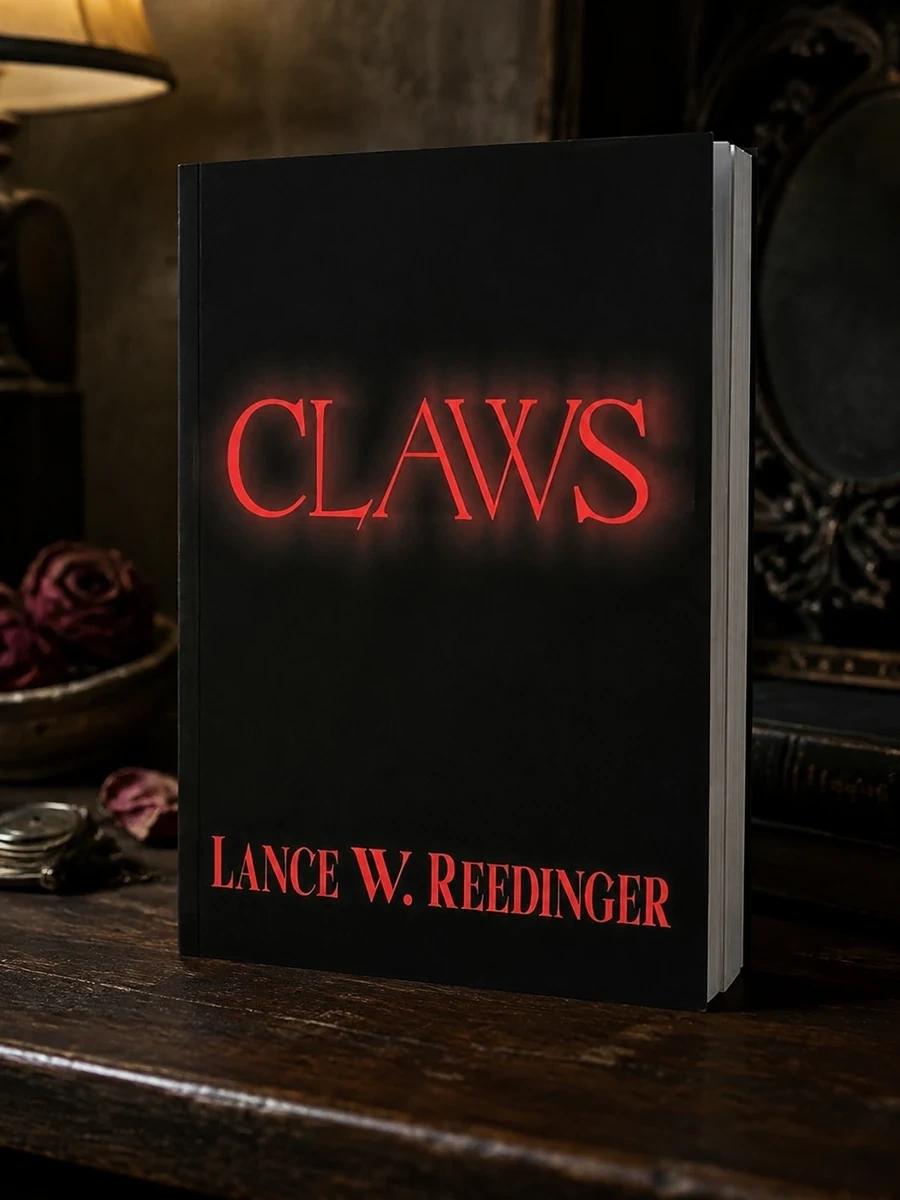
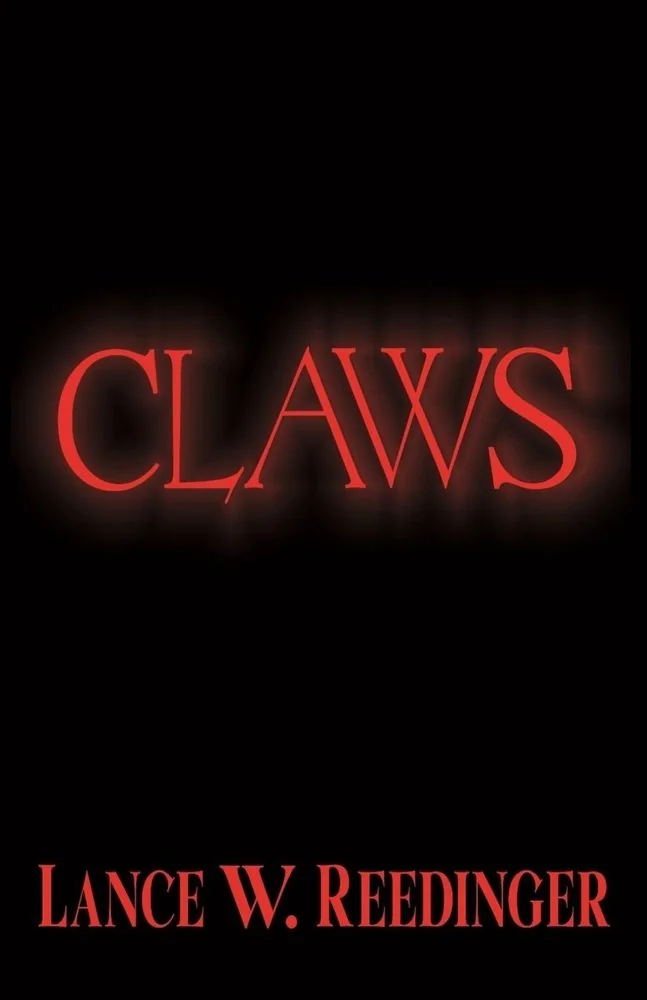
Claws
A novel about a vengeful were crab returning after thirty years.
The narrative focuses on a supernatural entity that emerged from the Chesapeake Bay three decades ago. This abomination, driven by revenge, slept in the water until October brought its former victims back into its reach. The story tracks the reunion of these individuals with the creature they thought was gone. Boutique writes this tale as a unique entry in horror fiction, specifically targeting the were crab genre. The plot does not rely on traditional werewolf tropes but instead uses marine-based horror elements. The connection between the past event and the current danger is central to the tension. The book offers a straightforward account of this specific monster's return without branching into unrelated subplots.
This work sits within the tradition of American coastal horror and gothic fiction. It draws on folklore surrounding the Chesapeake region and supernatural marine creatures. The story is set in the United States, specifically focusing on the bay's dark history and its impact on local legends.


📝 Description: Claws
💎 Our verdict on Claws
📖 Why choose it
Why this book is worth reading
Readers seeking a unique departure from standard werewolf tropes will find this book particularly engaging due to its specific focus on a were crab antagonist. It appeals to those who enjoy creature features rooted in coastal folklore and marine mythology, offering a distinct premise that avoids complex character studies or literary ambitions. The narrative provides a straightforward account of a supernatural entity's return, making it ideal for audiences who prefer clear, tension-driven plots over ambiguous storytelling. By centering on the connection between past sins and present consequences, it delivers a focused horror experience for fans of niche subgenres who appreciate the specificity of its monstrous inspiration and its direct approach to coastal terror.
⭐ Reader reviews
Reader rating
Claws successfully carves out a unique space in horror fiction by introducing the were crab as a legitimate monster archetype. The author effectively utilizes the tension between past sins and present consequences to drive the narrative, avoiding unrelated subplots that often plague genre entries. While it may not satisfy readers seeking complex character studies or literary depth, it excels as a focused creature feature. The book is best suited for fans of gothic tales set near water and those interested in niche horror subgenres. Its strength lies in its commitment to the specific premise, offering a distinct alternative to traditional werewolf narratives without branching into unnecessary complexity.
📖 Read on the blog
🏛 Books from this publisher Independently Published








You might also like
See more →
Have a question about this item?
Ask about the edition, condition, delivery or anything else — we reply by email or phone, usually within a day.
