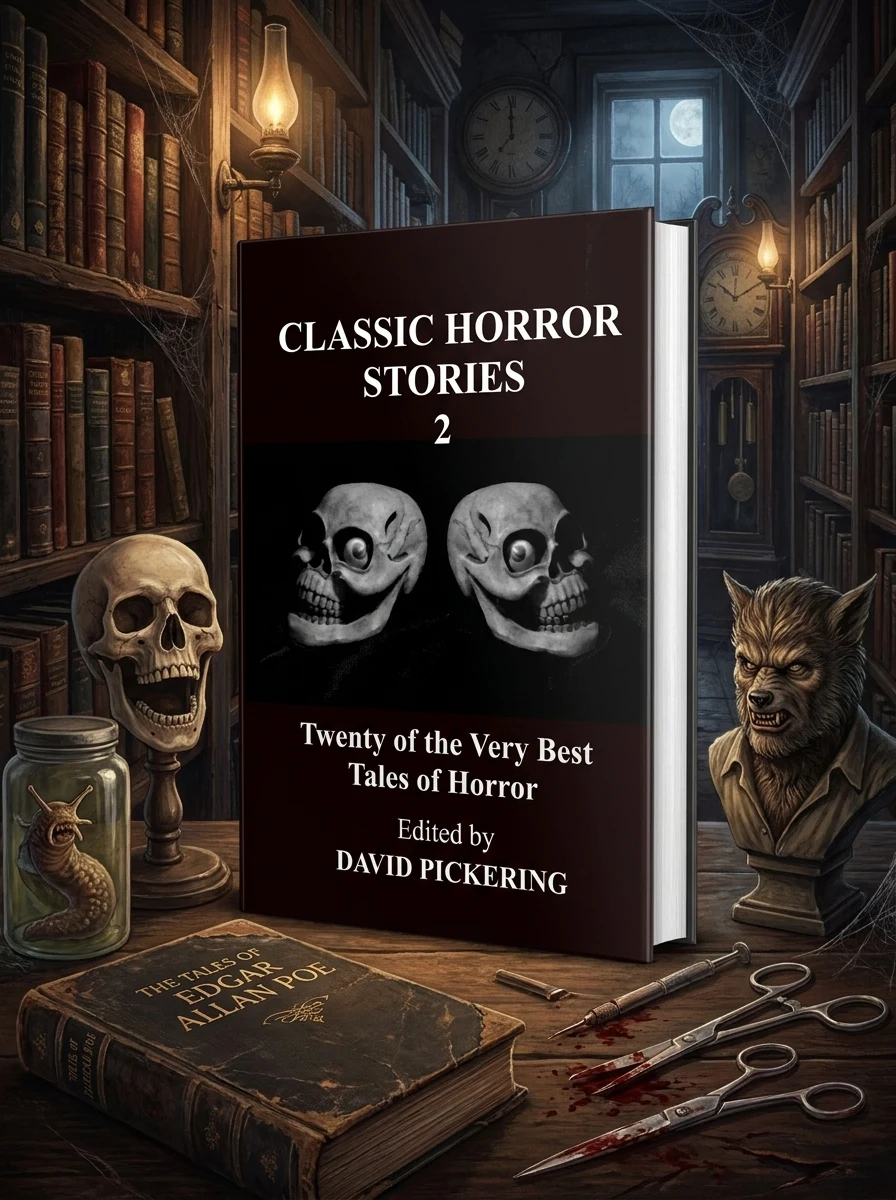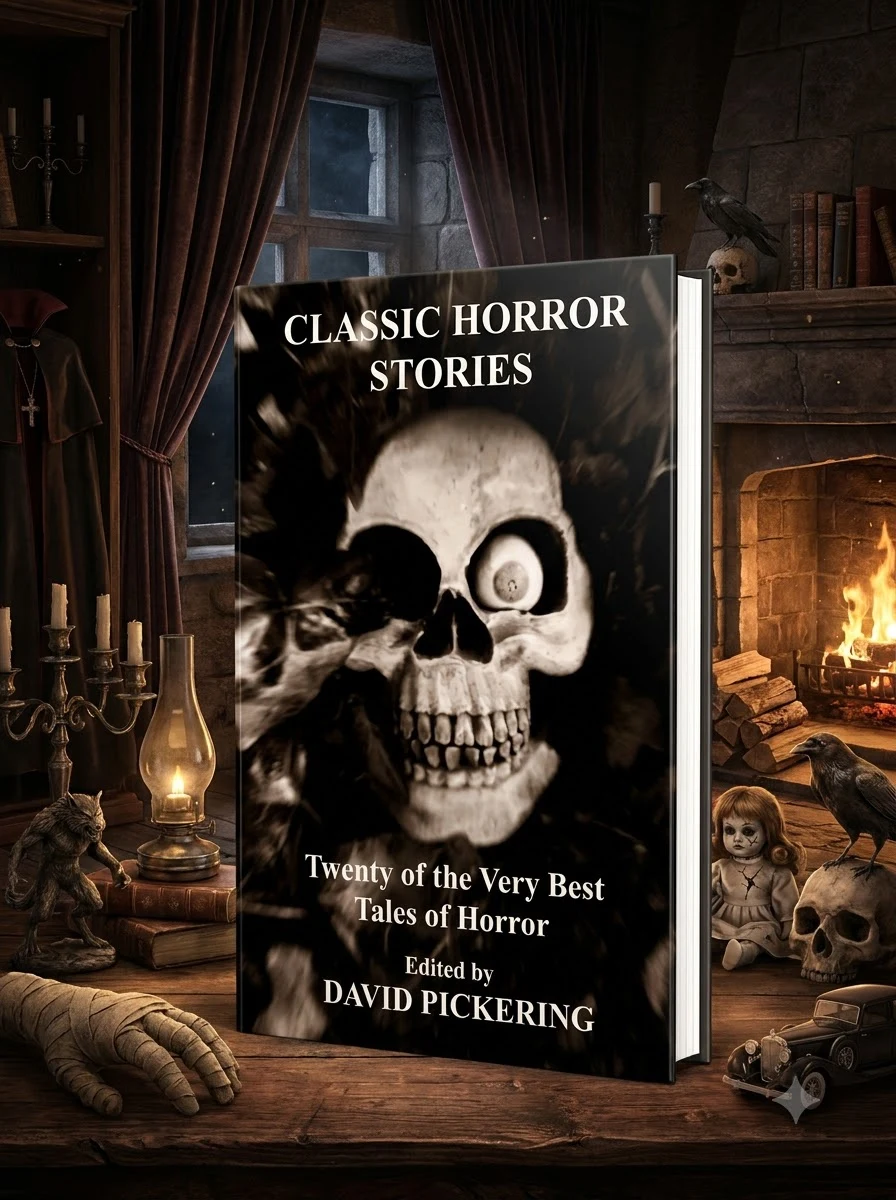
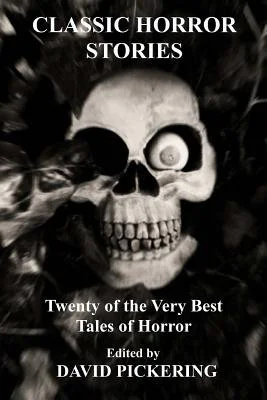
Classic Horror Stories
A collection of twenty classic horror tales by Poe, Lovecraft, and Stoker.
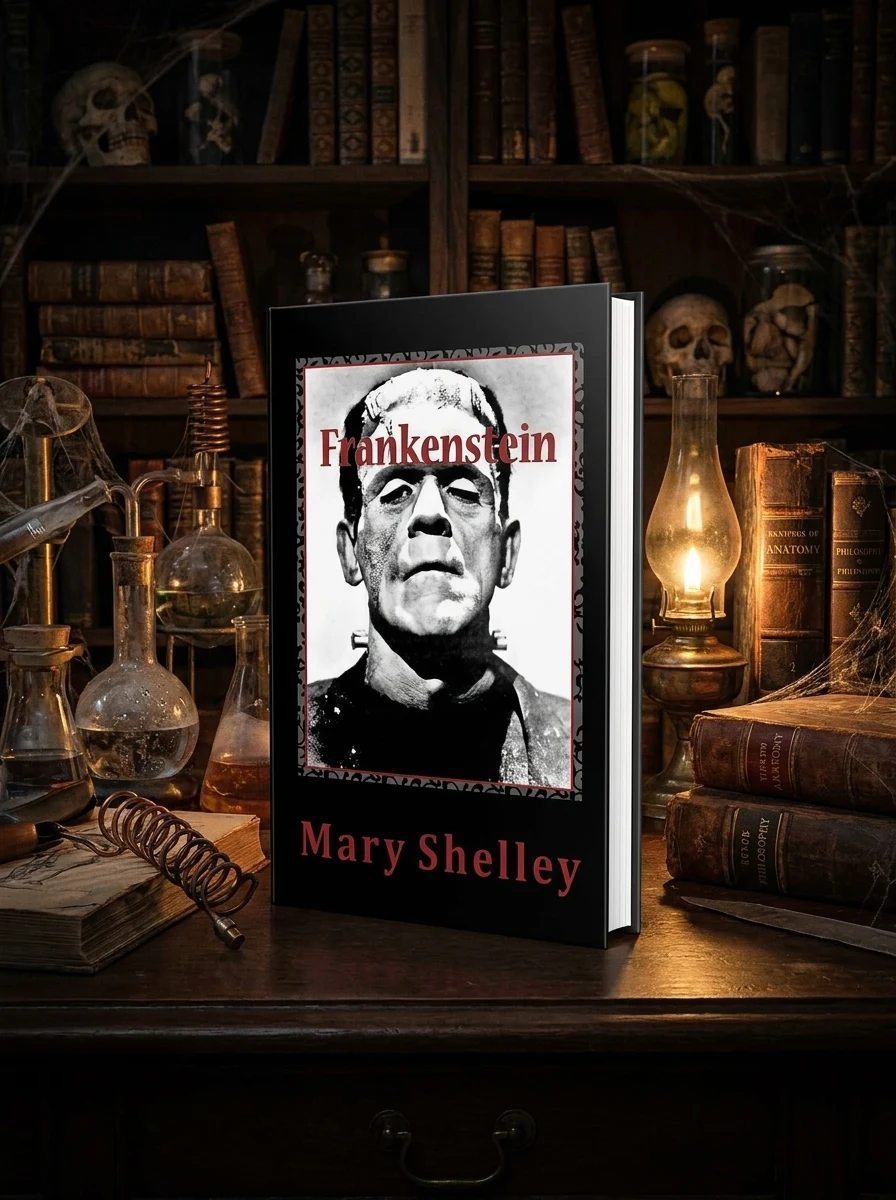
This volume gathers twenty distinct narratives from three major figures in horror history. The text includes encounters with Inquisitors, witches, phantom cars, haunted dolls, werewolves, mummies, zombies, and vampires. It serves as a companion to Classic Ghost Stories and Classic Ghost Stories 2. The book targets both new readers and seasoned fans of the genre. It avoids modern stylistic trends in favor of traditional monster stories.
The book draws on the established traditions of American and British horror fiction from the late nineteenth and early twentieth centuries. It represents the foundational period where authors like Poe, Lovecraft, and Stoker defined the genre's core tropes and atmospheric style.


📝 Description: Classic Horror Stories
💎 Our verdict on Classic Horror Stories
📖 Why choose it
Why this book is worth reading
Readers seeking a straightforward entry point into the roots of supernatural fiction will find this volume particularly rewarding. It is designed for both new readers and seasoned fans who appreciate traditional monster lore rather than modern stylistic trends. The collection offers a cohesive experience by gathering twenty distinct narratives that avoid contemporary gore or psychological thrillers in favor of atmospheric dread. Those interested in the established tropes that defined the genre before its expansion into new subgenres will gain a deeper understanding of horror's origins. It serves as an essential companion for those who wish to explore encounters with classic entities such as vampires, werewolves, and mummies through the lens of foundational authors.
⭐ Reader reviews
Reader rating
David Pickering curates a compelling anthology that successfully bridges early gothic traditions with later supernatural tales. By focusing on twenty distinct narratives from Poe, Lovecraft, and Stoker, the book provides a clear view of the monsters and settings that shaped horror history. It excels in its dedication to traditional tropes, offering atmospheric dread without the distraction of modern stylistic trends. This volume is best suited for readers who appreciate classic genre fiction and monster lore over contemporary psychological thrillers or explicit gore. It functions effectively as a companion to other ghost story collections, providing a cohesive and accessible introduction to the foundational period of horror literature for both newcomers and experienced aficionados alike.