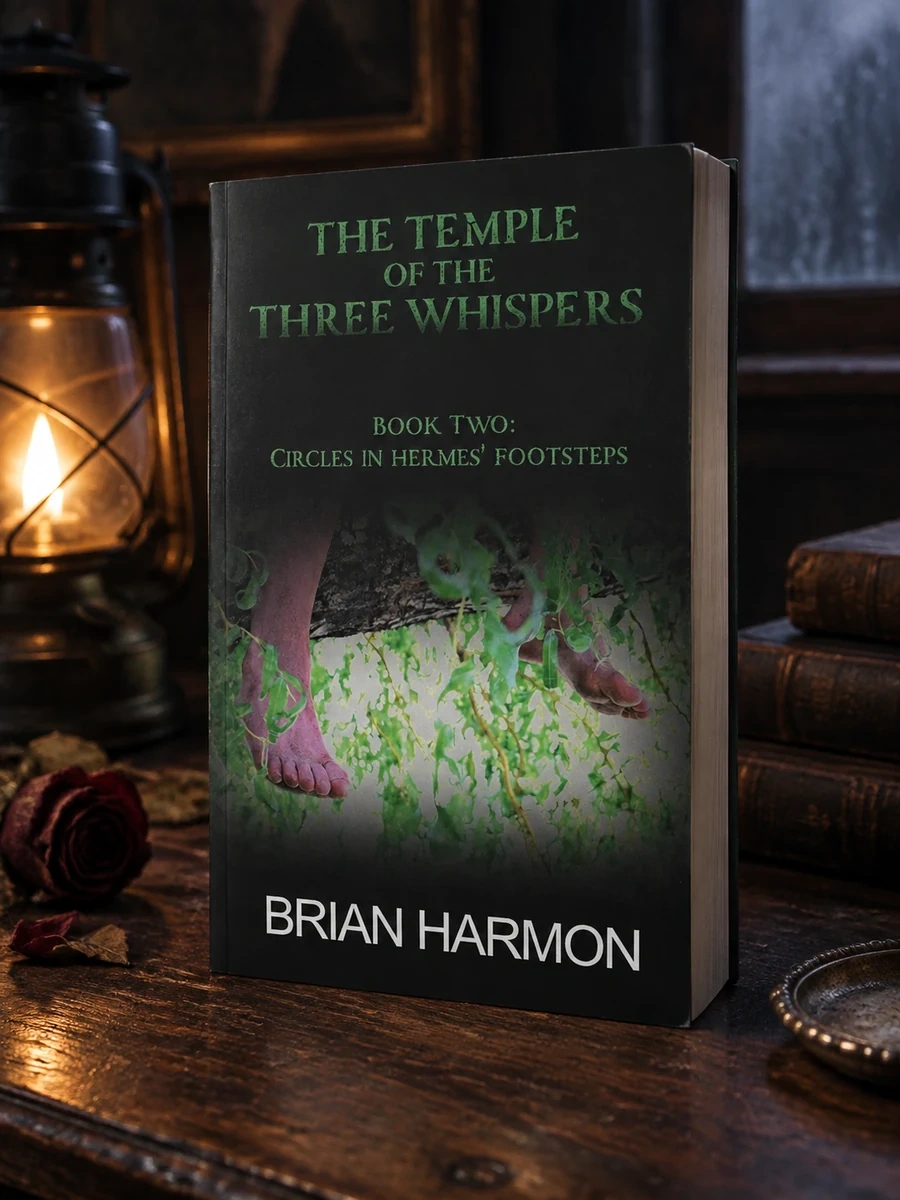
Circles in Hermes' Footsteps
A couple investigates a haunted forest linked to childhood trauma and ancient secrets.
Harmon explores the psychological toll of unresolved past events through the lens of supernatural horror. Wayne’s journey is not merely about survival but understanding the roots of his near-death experience. The narrative connects personal grief with communal history in Gutler's Weep. The presence of the Temple of the Blind suggests a deeper, older evil influencing current events. Harmon avoids simple monster tropes by focusing on the environmental horror of a land that refuses to stay still. The story examines how family secrets can manifest as physical threats. Olivia’s role highlights the shared burden of uncovering painful truths. The text suggests that some mysteries are better left buried, yet the characters are compelled to dig deeper.
The work engages with American gothic fiction traditions, specifically the trope of the haunted wilderness. It references local folklore surrounding remote areas and the supernatural. The narrative draws on themes of family trauma and historical mystery prevalent in contemporary horror literature.


📝 Description: Circles in Hermes' Footsteps
💎 Our verdict on Circles in Hermes' Footsteps
📖 Why choose it
Why this book is worth reading
Readers who appreciate slow-burn atmospheric horror and psychological depth will find this narrative compelling. It appeals to those interested in how unresolved family trauma manifests as physical threats within a supernatural context. The book is ideal for individuals who enjoy exploring the intersection of personal grief and communal history through a lens of environmental dread. Those who prefer complex, ambiguous narratives over straightforward monster tales will appreciate the focus on the psychological toll of uncovering past sins. It offers a unique experience for readers willing to navigate disorienting shifts in reality to understand the roots of fear.
⭐ Reader reviews
Reader rating
Harmon crafts a tense exploration of how old sins resurface through the lens of supernatural horror. The narrative excels in building atmospheric dread within Gutler's Weep, where the landscape itself becomes a hostile entity reflecting internal trauma. By avoiding simple monster tropes, the story achieves a chilling effect through its focus on fractured reality and ancestral secrets. This approach suits readers who enjoy gothic traditions and mysterious locales. However, those seeking fast-paced action or clear resolutions may find the shifting perspective disorienting. The book effectively links personal grief with communal history, offering a thoughtful critique of how family secrets can manifest as physical dangers in a world that refuses to stay still.
📖 Read on the blog
📖 From the series “The Temple of the Three Whispers”
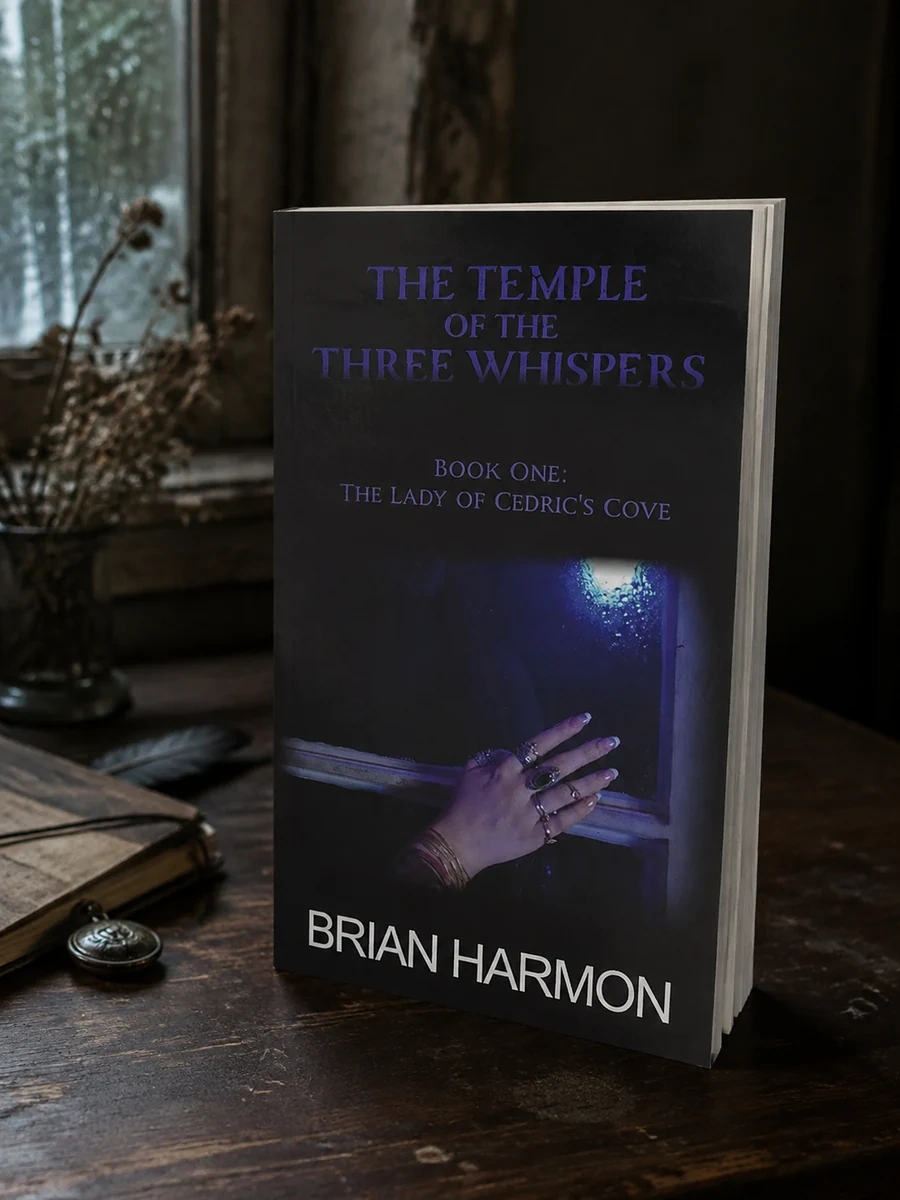





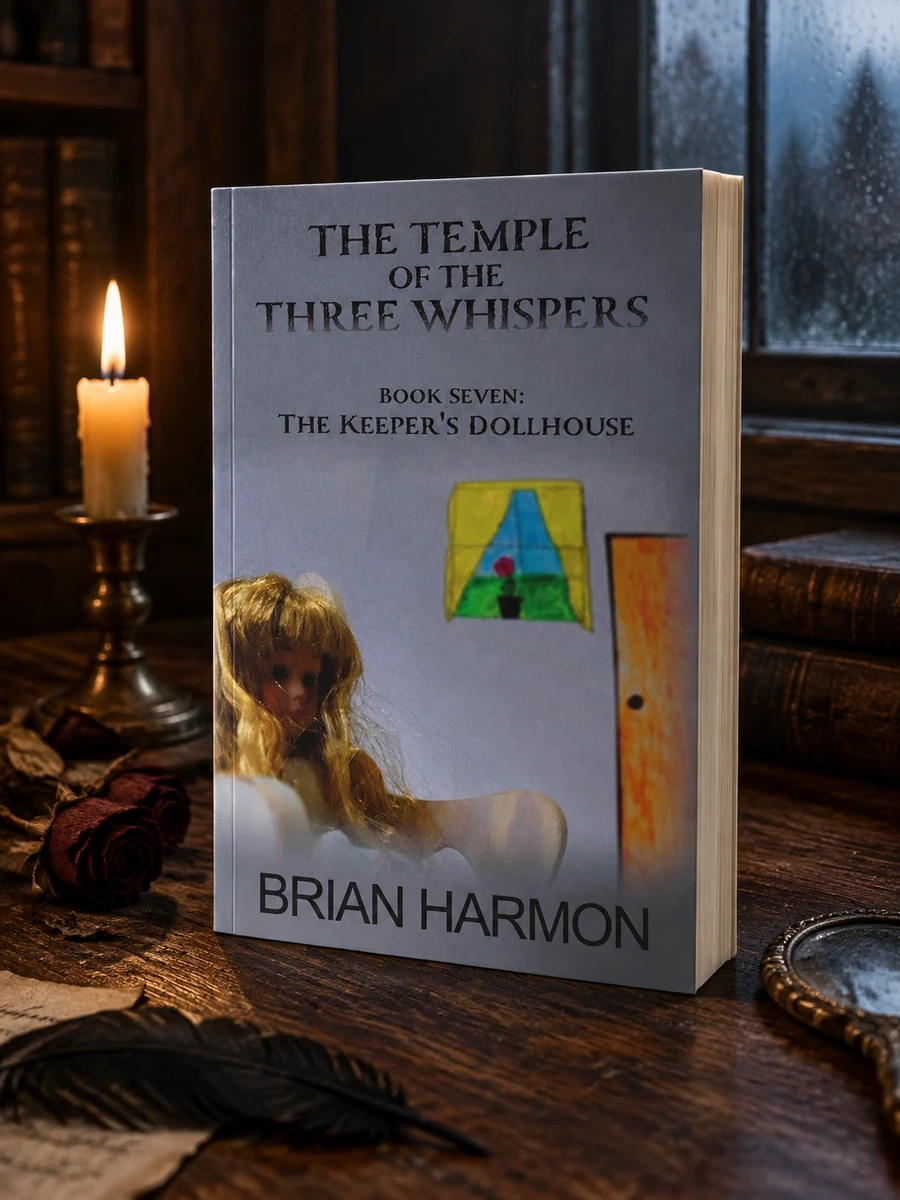
✍️ More books by this author Brian Harmon

🏛 Books from this publisher Brian Harmon



You might also like
See more →



Have a question about this item?
Ask about the edition, condition, delivery or anything else — we reply by email or phone, usually within a day.
