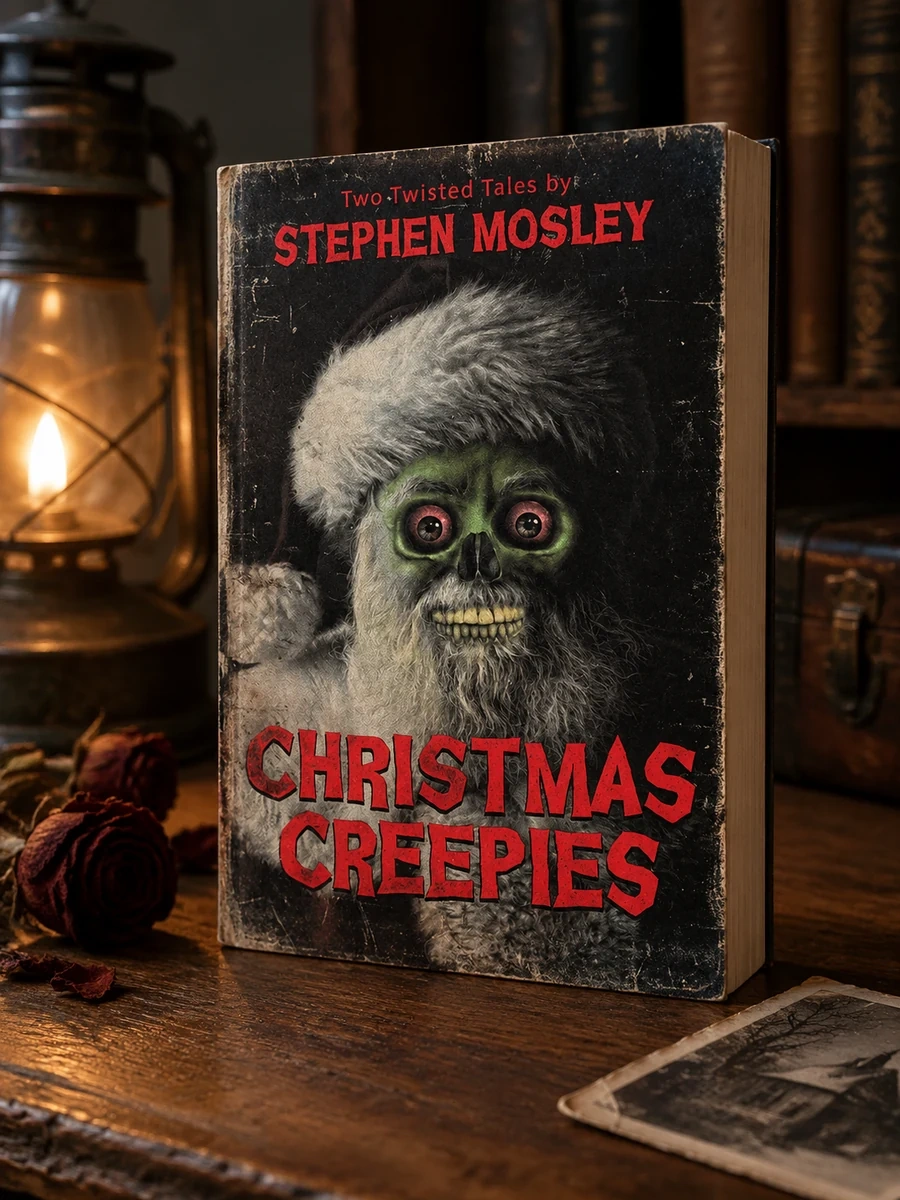
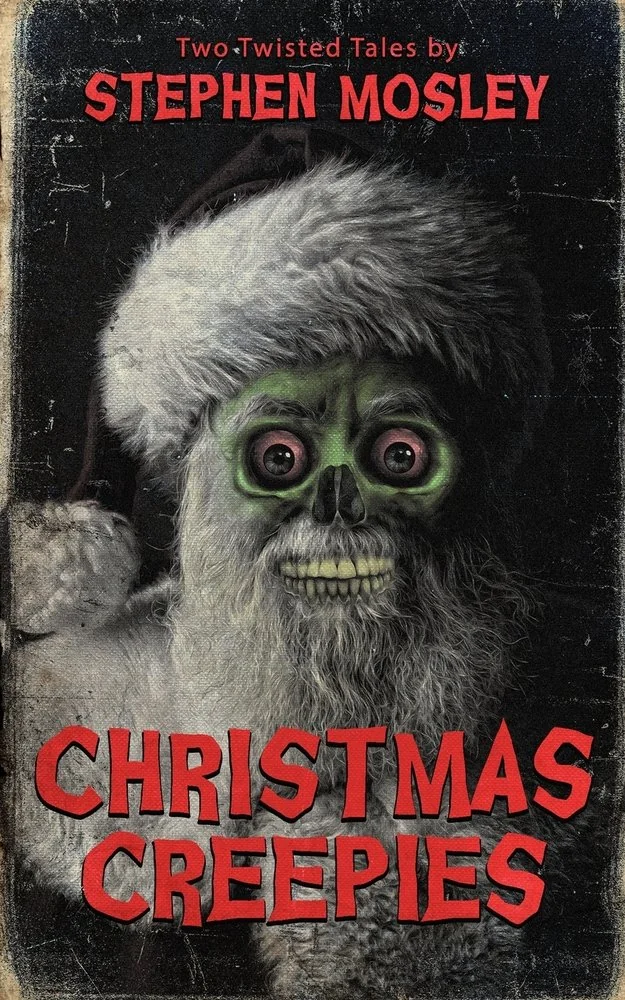
Christmas Creepies
Two horror stories blending Victorian ghosts with sci-fi comedy for the holidays.
This collection defies standard seasonal expectations by mixing gothic atmosphere with absurd sci-fi elements. The first tale relies on period drama conventions, focusing on a reverend and a boarding house to generate fear. The second story uses satire, pitting a magician against alien lizards disguised as musicians. This contrast highlights Mosley’s versatility in handling different types of terror. Readers seeking traditional Christmas cheer will find neither here. Instead, they get spine-tingling entertainment that subverts holiday norms through genre bending.
The book sits at the intersection of classic horror and modern pop culture. It references Victorian literary traditions alongside contemporary rock music and drag performance. The narrative structure reflects a blend of old-fashioned spooky tales and futuristic sci-fi concepts, creating a unique niche in holiday fiction.


📝 Description: Christmas Creepies
💎 Our verdict on Christmas Creepies
📖 Why choose it
Why this book is worth reading
Readers seeking to escape traditional seasonal cheer will find this collection a refreshing alternative that defies standard holiday expectations. Stephen Mosley offers spine-tingling entertainment by bending genre norms, appealing specifically to those who enjoy eclectic mixes of terror and humor. The first narrative caters to enthusiasts of classic ghost stories set in Victorian boarding houses, while the second satisfies fans of sci-fi comedy featuring amateur magicians and alien lizards. This volume is ideal for individuals who appreciate versatility in handling different types of fear and desire unconventional holiday fiction that prioritizes unique reading experiences over festive warmth.
⭐ Reader reviews
Reader rating
Mosley demonstrates impressive versatility by juxtaposing a somber Victorian ghost tale with a ridiculous sci-fi comedy within the same collection. The first story effectively utilizes period drama conventions to build unease, while the second employs satire through its depiction of lizard aliens infiltrating a biscuit factory. This stark contrast highlights the author's ability to shift tones without losing narrative cohesion. The book suits readers who enjoy genre-bending horror and do not mind absurdity in their scares. It is particularly appealing to those tired of conventional Christmas tales and eager for something that combines gothic atmosphere with the unexpected whimsy of drag detective mysteries and extraterrestrial threats.