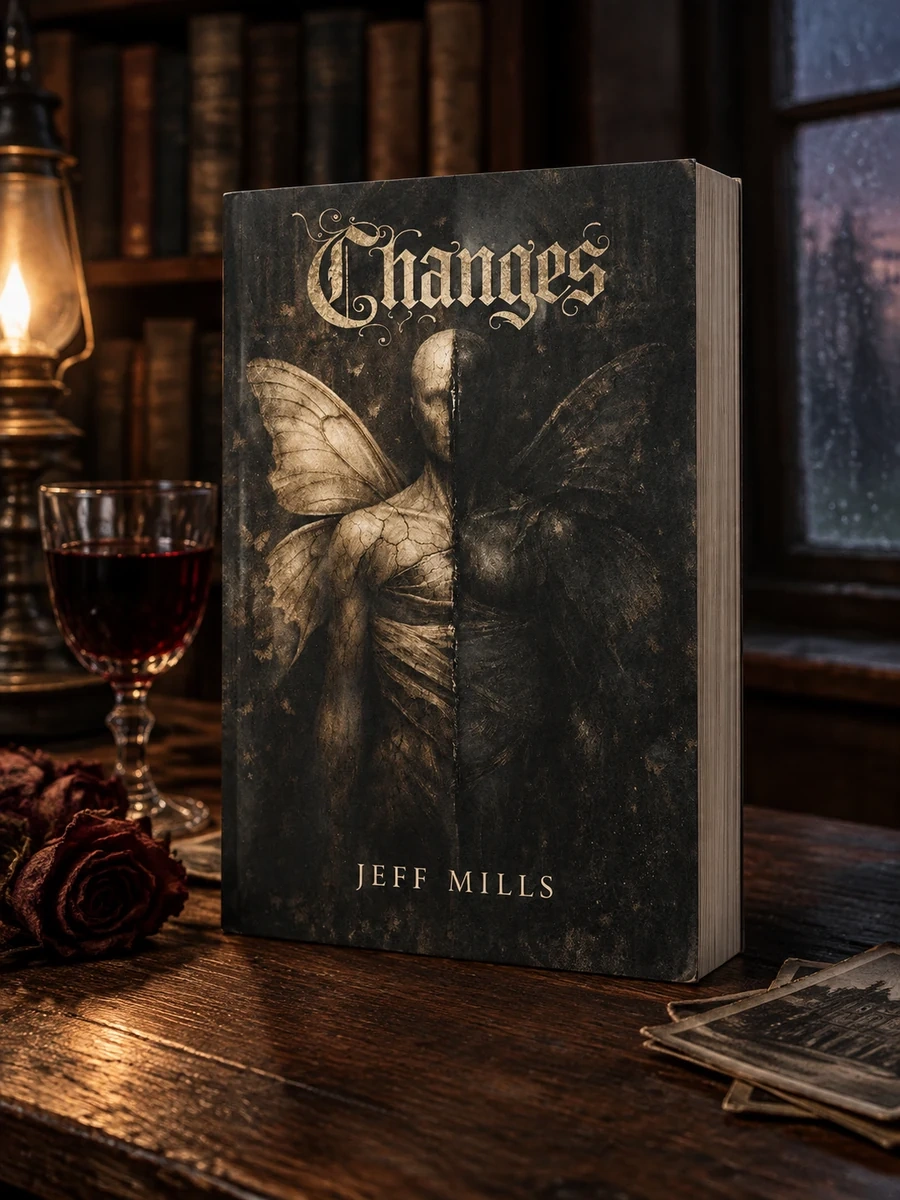
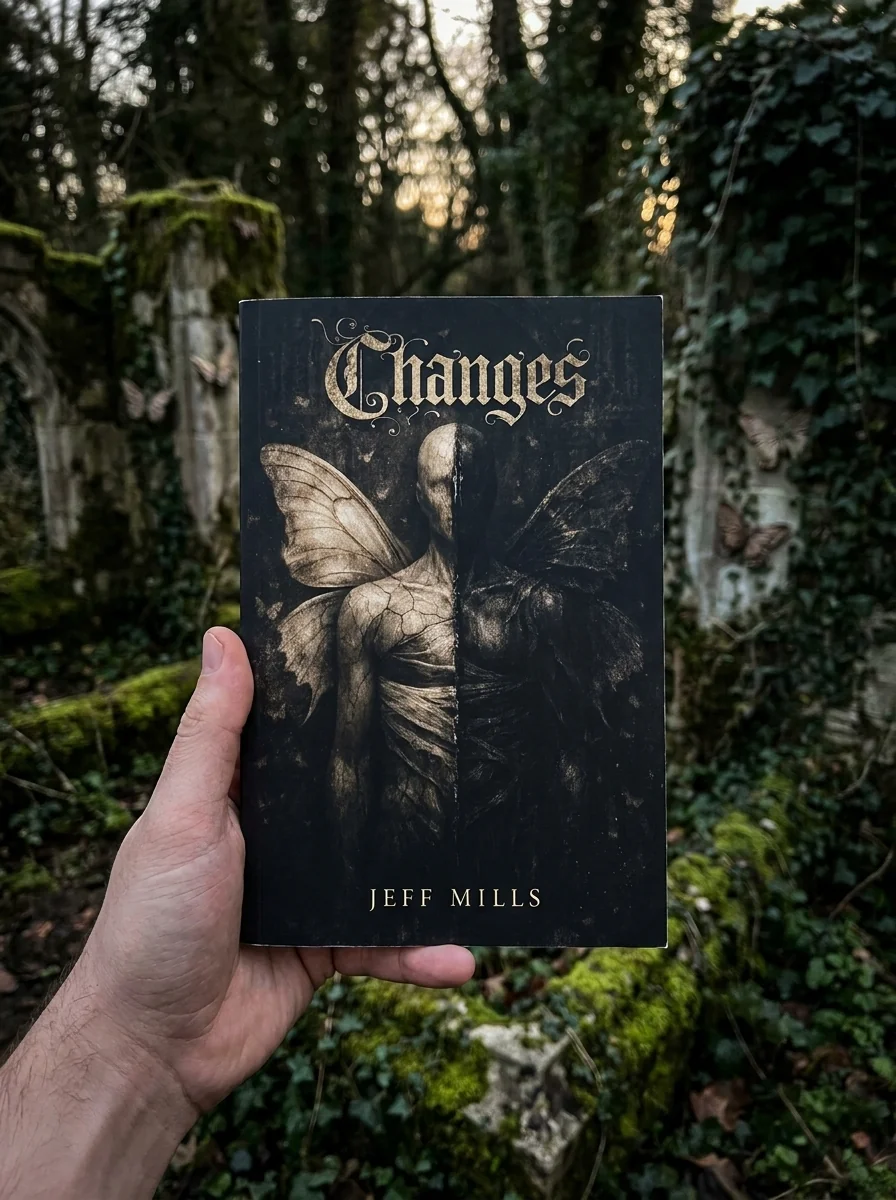
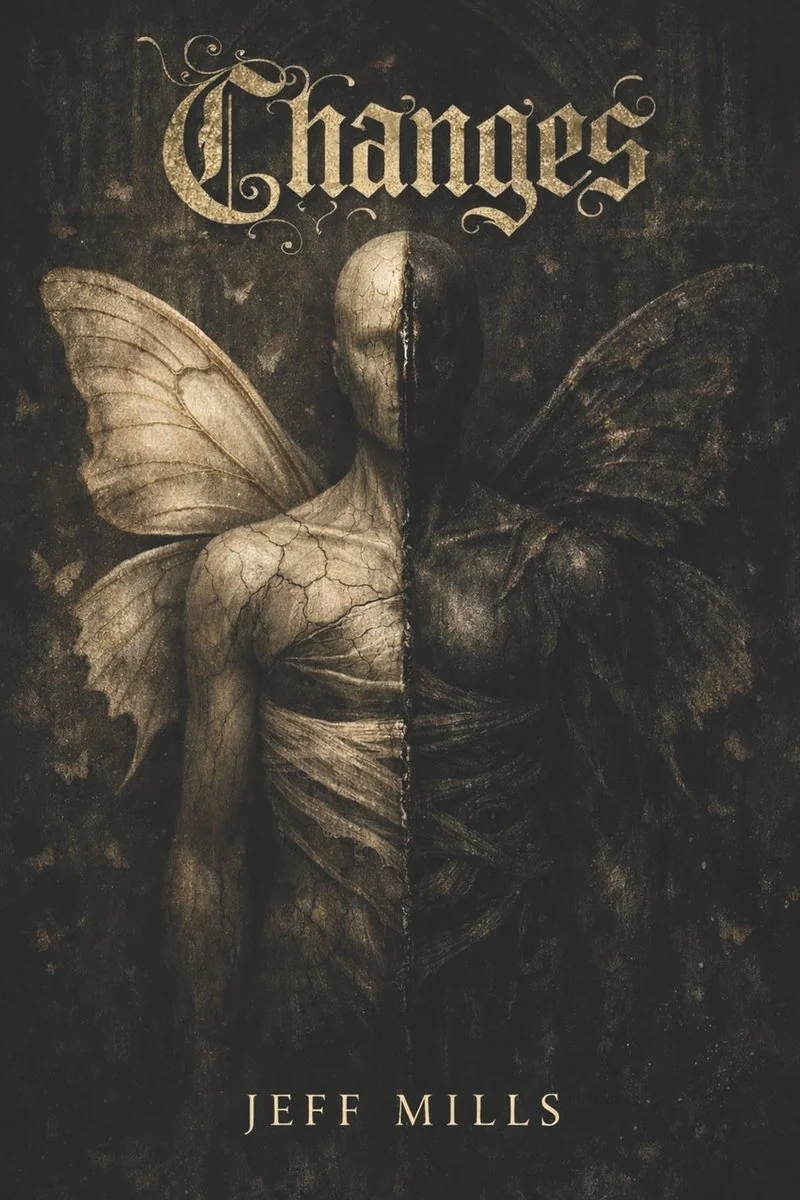
Changes
A biological horror story about forced evolution in a quiet town.
Mills constructs a world where the human body undergoes violent, uninvited metamorphosis. The plot follows residents of Marrow Glen as they pass through Egg, Larva, Pupa, and Adult stages. This is not a metaphorical shift but a biological reality that splits the community. Authorities rush to control what they do not understand. The narrative highlights how fear dictates safety and obedience ensures survival. Some transformations are celebrated while others are hunted. The author uses gothic horror tropes alongside visionary science fiction elements. The story questions who decides when a human is finished changing. It examines the tension between preserving normalcy and accepting evolution. The text does not offer easy answers about identity or power. Readers interested in the psychological impact of physical change will appreciate this approach.
This work sits within the traditions of gothic horror and visionary science fiction. It addresses themes of identity and power through a speculative lens. The narrative reflects on how societies manage the unknown and define normalcy during times of rapid change.


📝 Description: Changes
💎 Our verdict on Changes
📖 Why choose it
Why this book is worth reading
Readers seeking a visceral exploration of the terror inherent in forced evolution will find this narrative compelling. It appeals to those who enjoy psychological horror that questions the stability of identity and the arbitrary nature of social power. The book is ideal for fans of speculative fiction who prefer biological realism over magical solutions. It offers a grim examination of how communities fracture when faced with the unknown, making it suitable for audiences interested in the intersection of science and gothic dread.
⭐ Reader reviews
Reader rating
Mills delivers a disturbing study of metamorphosis where the body becomes a site of conflict rather than comfort. The narrative effectively utilizes gothic tropes to examine societal control during biological crisis. By framing evolution as an uninvited guest, the author creates intense psychological tension. The structure of distinct stages provides a clear framework for the horror, allowing readers to witness the gradual loss of normalcy. This approach suits fans of body horror who appreciate detailed descriptions of physical change and its social consequences. It is a strong entry for those who dislike easy answers regarding identity.
📖 Read on the blog
🏛 Books from this publisher Independently Published








You might also like
See more →
Have a question about this item?
Ask about the edition, condition, delivery or anything else — we reply by email or phone, usually within a day.
